
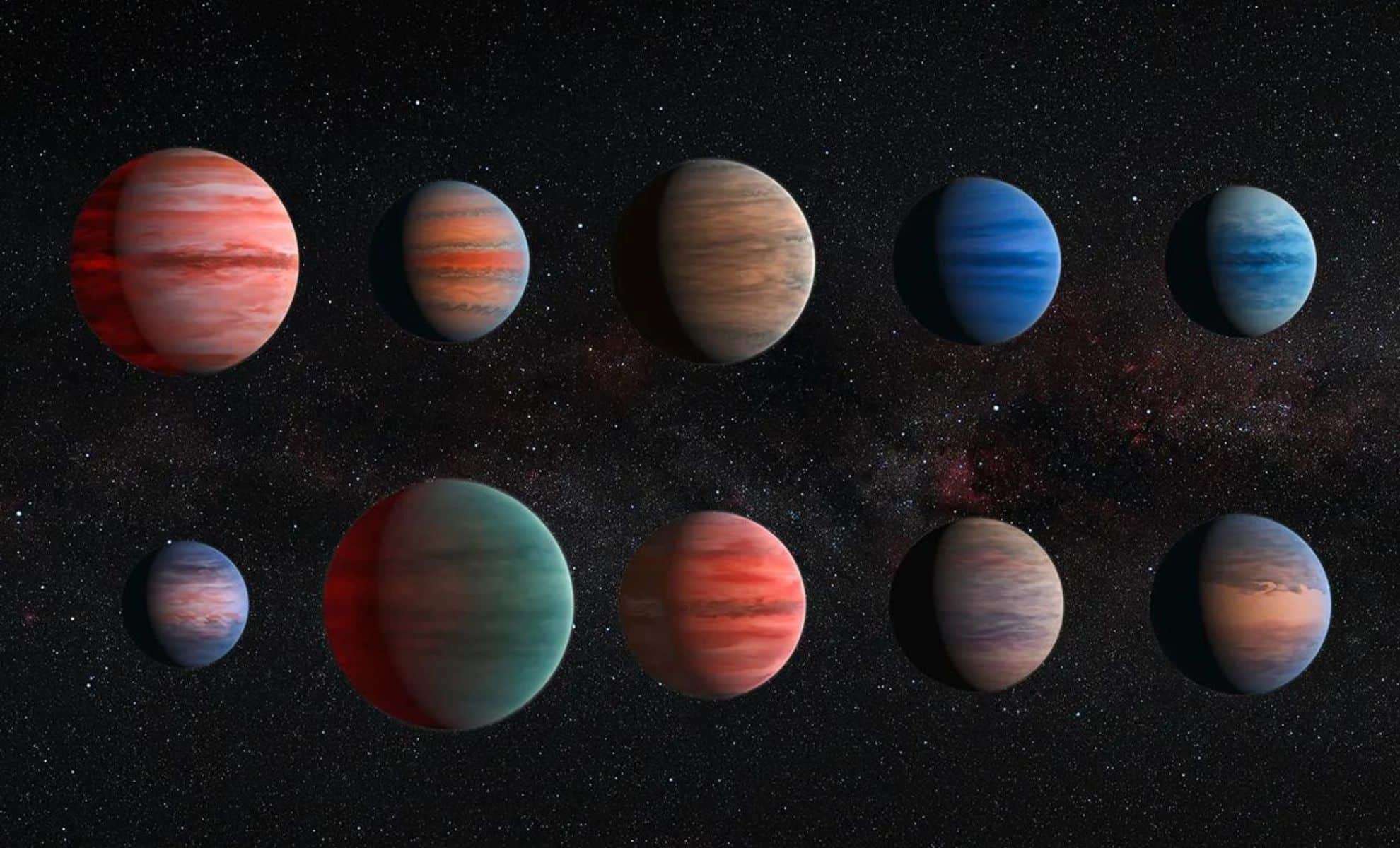
NASA has announced a groundbreaking milestone in the quest to identify planets outside our solar system, confirming the existence of over 5,500 exoplanets to date.
This remarkable achievement highlights the swift progress in astronomical tools and techniques, enriching our knowledge of the universe’s expanse and the possibilities for life beyond Earth.
The detection of these distant exoplanets scattered throughout the galaxy provides an intriguing look into the variety and complexity of planetary systems beyond our own solar neighborhood.

Tracing the Origins of Exoplanet Discoveries
Exoplanet research took a major leap forward in 1992 when scientists discovered planets orbiting the pulsar PSR B1257+12. These worlds, named Poltergeist and Phobetor, became the first confirmed planets outside the solar system, sparking a new era in astronomical studies and transforming theoretical concepts into tangible observations.
This discovery was pivotal, confirming planets beyond our solar system and accelerating the pace of exoplanet identification through advanced detection technologies.
As of March 2022, the tally surpassed 5,000 planets, each one enhancing our insights into planetary formation and the environments that might support life.
Introducing Six Newly Verified Exoplanets
Among the latest discoveries are six intriguing planets, each exhibiting distinctive traits:
HD 36384 b
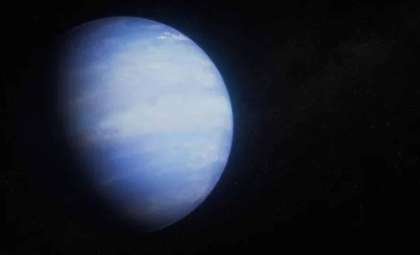
Classified as a super-Jupiter, this gas giant is much larger than Jupiter and orbits an M-type giant star. Identified using the radial velocity technique, it detects velocity shifts in the host star triggered by planetary gravitational forces. The star HD 36384 is roughly 40 times bigger than our Sun, offering valuable insights into interactions between massive stars and their orbiting planets.
TOI-198 b
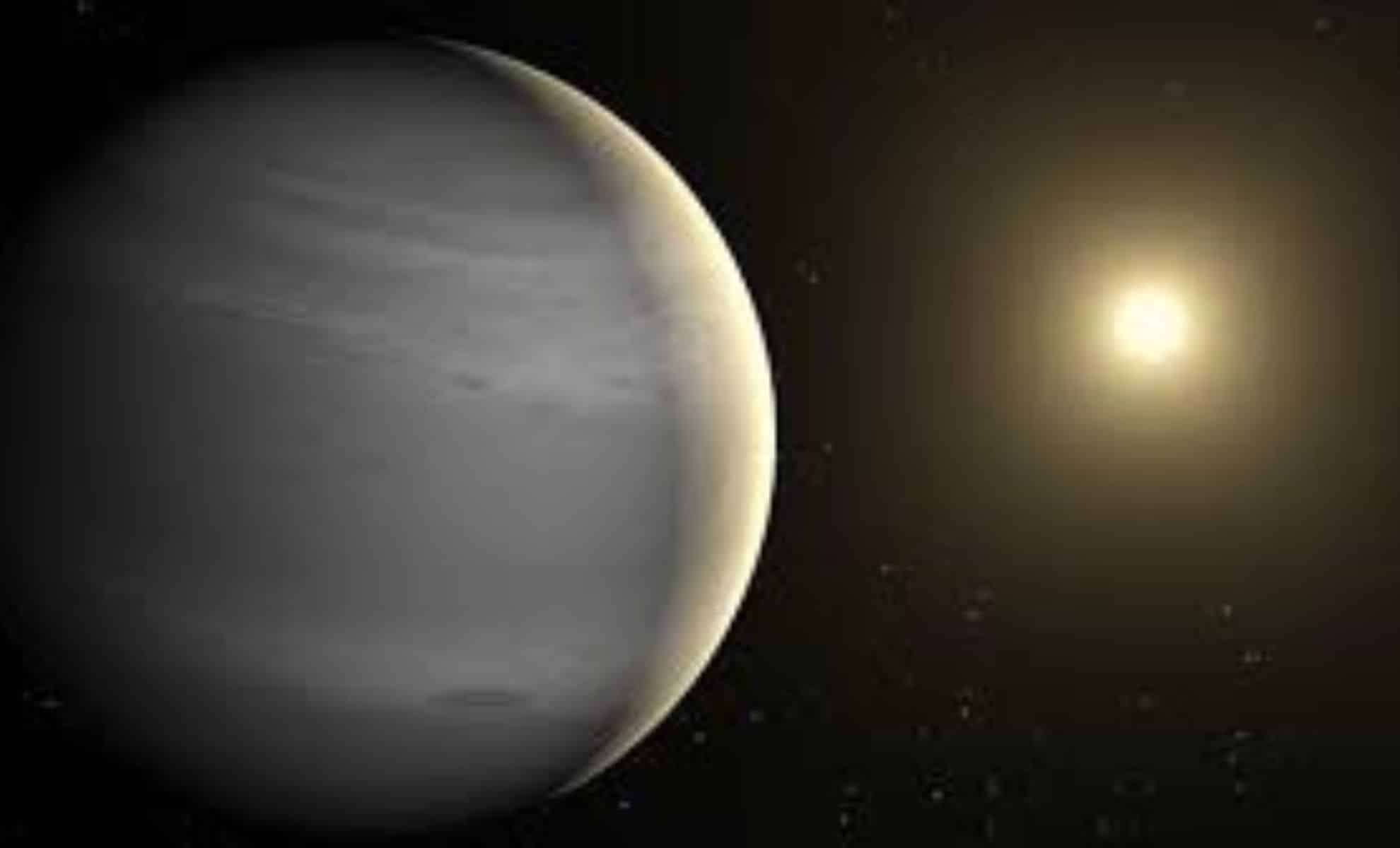
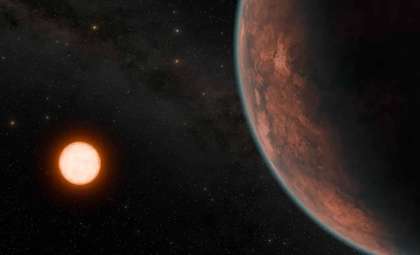
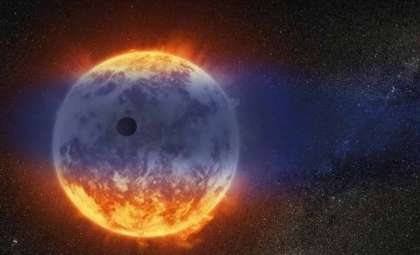
Positioned at the inner boundary of its star’s habitable zone, TOI-198 b is a candidate rocky planet. The habitable zone, or the so-called “Goldilocks zone,” is the area around a star where liquid water could exist—crucial for life. Detected through the transit method, astronomers observed the dimming of the host star’s light as this planet traversed in front of it.
TOI-2095 b and TOI-2095 c
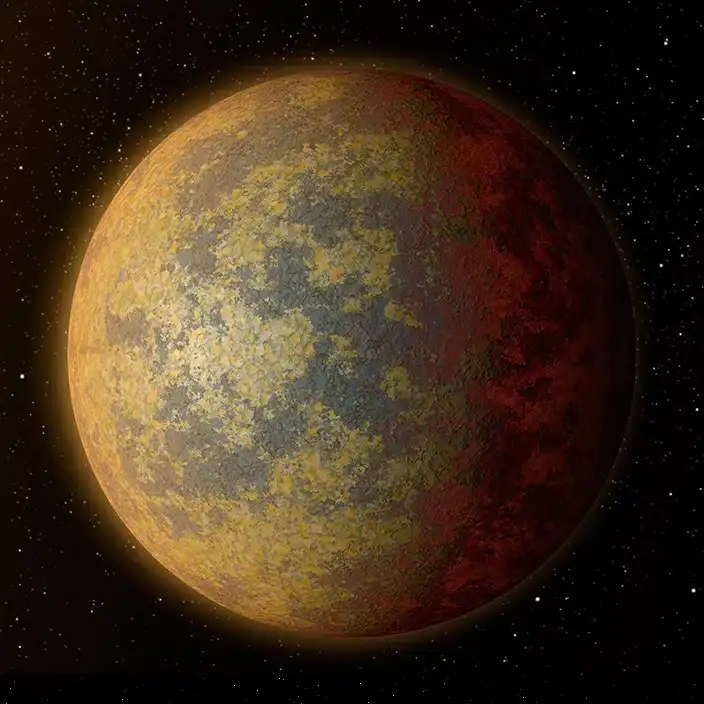
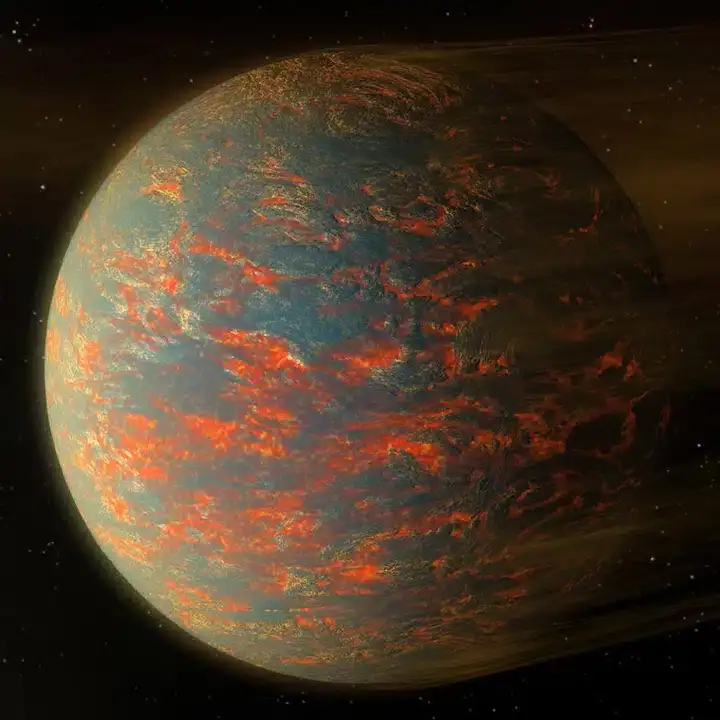
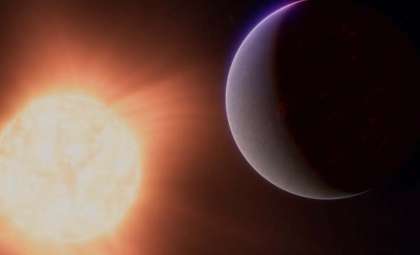
These two planets are large hot super-Earths orbiting an M dwarf star. M dwarfs are smaller and cooler than the Sun but are the most abundant stars within the Milky Way. TOI-2095 b and c likely have atmospheres more similar to Venus than Earth, enriching our comprehension of planetary varieties around these common stars.
TOI-4860 b
This hot Jupiter, TOI-4860 b, boasts an exceptionally brief orbital cycle of just 1.52 days. Hot Jupiters are gas giants orbiting very close to their stars, resulting in scorching atmospheric conditions. Such discoveries challenge existing theories on how planets form and migrate, supporting models where these giants form farther out before moving inward.

MWC 758 c
This massive protoplanet circles a youthful star surrounded by a protoplanetary disk, discovered through direct imaging. Direct imaging captures visual evidence of exoplanets and is particularly effective for analyzing young systems. MWC 758 c plays a vital role in sculpting its star’s disk, creating distinctive spiral arms. This observation offers crucial data about early planetary formation and system development.
Methods for Identifying Exoplanets
The detection of exoplanets requires overcoming the challenge of their faintness and small size in comparison to their stars. Astronomers employ several advanced techniques to reveal different characteristics of these distant worlds, including radial velocity, transit photometry, direct imaging, gravitational microlensing, and astrometry.
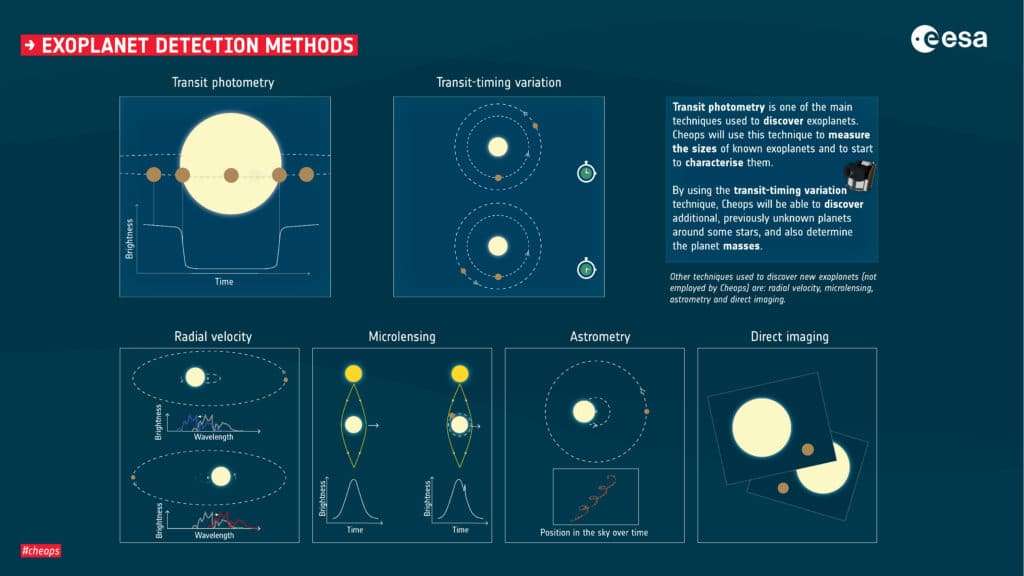
These methods not only facilitate the discovery of new exoplanets but also yield vital information about their physical traits and atmospheres, enhancing our grasp of the nature and variety of planetary systems across the cosmos. Below is a closer look at each detection approach.
Radial Velocity Method: Also known as the Doppler technique, this method detects subtle shifts in a star’s motion caused by an orbiting planet’s gravitational pull. Changes in the star’s spectrum shift its light towards the red or blue as the star moves away or toward Earth. This approach was key in identifying many of the earliest exoplanets and remains fundamental.
Transit Method: The leading technique in exoplanet detection, this method monitors a star’s brightness for periodic decreases as a planet crosses its face. It can reveal the planet’s size and even details about its atmosphere if present.
Direct Imaging: Utilizing devices like coronagraphs to block starlight, this technique allows astronomers to photograph exoplanets directly. Despite being technically difficult, it’s invaluable for studying young and bright planets and their atmospheric phenomena.
Gravitational Microlensing: This approach exploits the gravitational field of a planet to act as a lens, magnifying the light from more distant background stars. It is especially useful for detecting planets that are distant from their stars or in multi-star environments.
Astrometry: One of the earliest methods used, astrometry involves measuring the precise position shifts of a star caused by an orbiting planet. While less frequently utilized today, it is effective in identifying planets orbiting bright stars where other methods may face difficulties.
- Categories:
- Astronomy ,
- News ,
- Space ,
- Nasa






0 comments
Sign in to Comment