
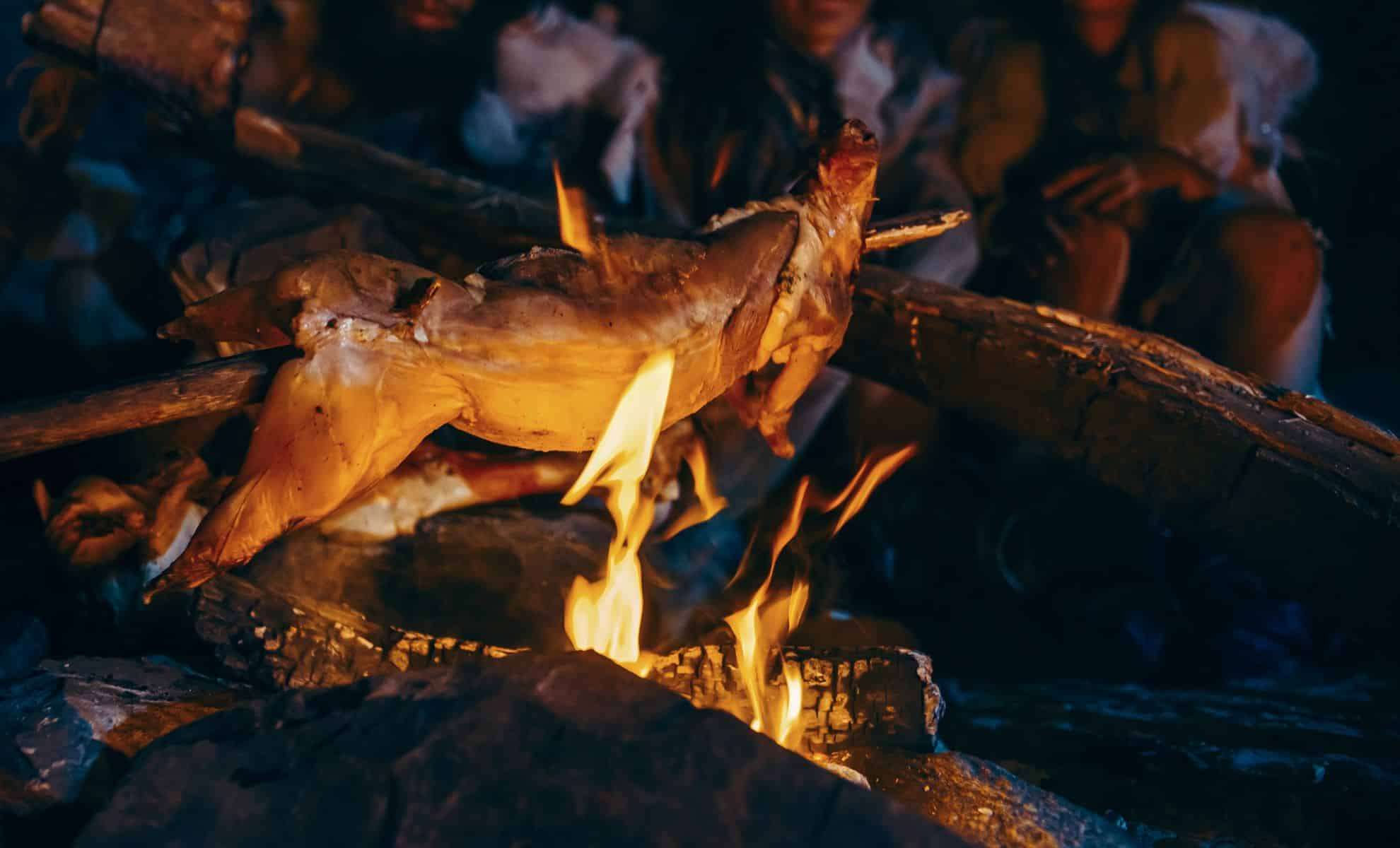
A groundbreaking investigation recently featured in Frontiers in Environmental Archaeology explores the butchery customs of Neanderthals, offering new perspectives on their food processing techniques. Examining faunal remains from two Northern Israeli caves—Amud and Kebara—researchers discovered notable differences in how these neighboring Neanderthal populations prepared the same prey. The study of cut marks on bones reveals a diversity in butchering practices, likely shaped by unique cultural habits within each group.
Insights Into Neanderthal Culinary Practices
Animal bones excavated from Amud and Kebara caves, situated roughly 70 kilometers apart in northern Israel, were the focus of this research. These sites, inhabited by Neanderthals during winters approximately 70,000 to 50,000 years ago, provide valuable clues about their subsistence behaviors. The remains primarily featured mountain gazelles and fallow deer, species common to both groups. While earlier work confirmed similar diets, this study highlights subtle variations in how the animals were butchered.
Anaëlle Jallon, the lead researcher from Hebrew University of Jerusalem, commented, “This suggests that within the broader Neanderthal population, distinct groups practiced unique approaches, even in essential survival activities.”

Contrasting Butchery in Two Neighboring Sites
The research team examined 344 bone fragments from both caves, all dating between 70,000 and 50,000 years ago. By closely analyzing the cut marks, they uncovered differing butchery styles. For instance, larger animal bones, like those of aurochs, appeared more frequently at Kebara. Jallon noted this could reflect preservation biases or indicate that Amud’s inhabitants processed such animals elsewhere.
Interestingly, bones from Amud displayed a higher concentration of intersecting cut marks, whereas those from Kebara had fewer, more linear incisions. This variation implies that, despite using similar flint tools, the Neanderthal groups employed different strategies for cutting meat and bones.
Decoding the Implications for Neanderthal Life
Several explanations might clarify why these butchery techniques differed. One is that separate Neanderthal communities developed individual preferences in food preparation, shaping the way they cut meat. Another is that the number of butchers in each group varied, influencing the pattern of marks. Additionally, the distinctions might relate to different methods of handling meat at various decomposition stages.
Dr. Matt Pope from University College London, who was not part of the study, praised the findings, stating, “These cut marks are more than just physical evidence; they represent the intentional actions of Neanderthal individuals, as meaningful as footprints or handprints etched in cave walls.”
He added, “While future research will clarify the reasons for these differences, the study clearly demonstrates that Neanderthals did not follow a single uniform culture, but rather consisted of multiple groups across different times and locations.”
- Categories:
- News










0 comments
Sign in to Comment