
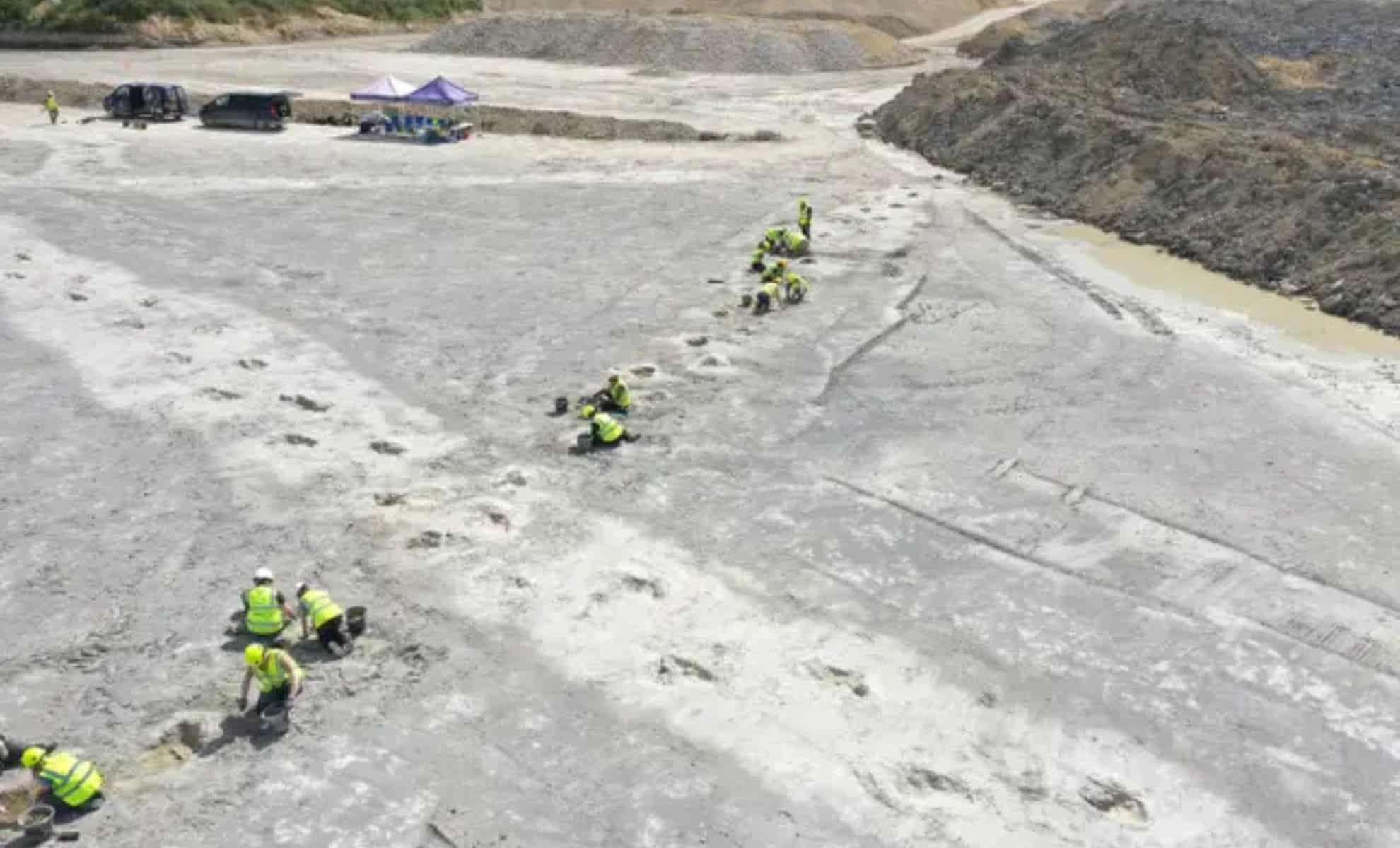
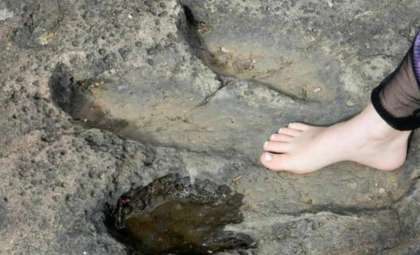
Researchers have unveiled the most extensive collection of dinosaur footprints ever documented in the United Kingdom, dating back 166 million years. Found within a quarry, this rare fossil site contains nearly 200 well-preserved tracks that shed light on dinosaur behavior and movement during the Middle Jurassic epoch.
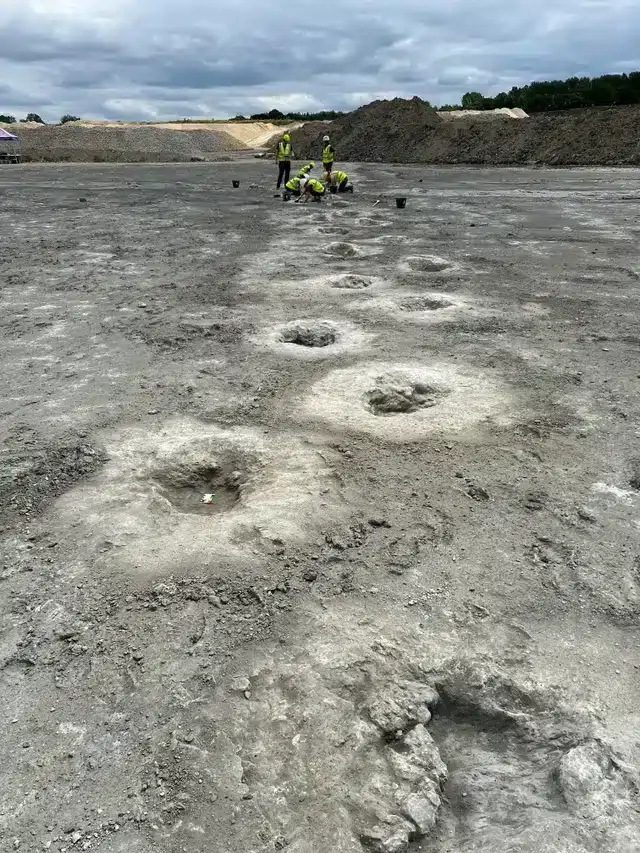
The excavation was spearheaded by teams from the Universities of Oxford and Birmingham, involving over 100 academics, students, and volunteers who meticulously studied the site. The footprints retain such intricate detail that experts can observe how the ground was deformed beneath the dinosaurs' weight, bringing these ancient creatures' steps to life.
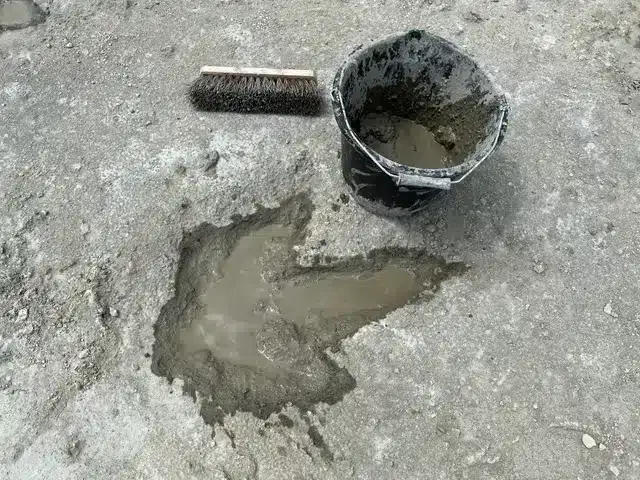
Dr. Duncan Murdock from the Oxford University Museum of Natural History expressed amazement, saying, “The footprints are so exquisitely preserved that we can see the way the mud compressed as the dinosaurs treaded through it.”

Decoding the Dinosaur Tracks
The trackway reveals footprints from two dominant dinosaur species:
- Cetiosaurus: This colossal herbivore, stretching up to 18 meters, left behind rounded, deep impressions from its four sturdy limbs.
- Megalosaurus: A fierce meat-eater measuring about nine meters long, recognized by its sharp three-toed prints indicating swift, calculated movements.
These footprints not only map out the movements of these species but also suggest potential interactions. In some sequences, prints of the massive sauropod overlap with those of the predatory Megalosaurus, sparking curiosity about whether their paths crossed by chance or through active pursuit. More details can be found in the footprints article.
“This tracksite stands out as one of the most extraordinary I have encountered,” remarked Prof. Kirsty Edgar, a micropaleontologist from Birmingham. “It's like peering through a window into a moment frozen millions of years in the past.”
Technological Tools Reveal More Detail
Cutting-edge methods were vital for capturing and analyzing the site. The team utilized drones to take over 20,000 high-quality images, which formed the basis for creating detailed 3D maps of the trackways. These digital reconstructions enable in-depth study while ensuring the physical remains remain undisturbed.
Highlighted technologies include:
- 3D Reconstruction: Accurate footprint models facilitate precise assessment of how dinosaurs moved and at what speeds.
- Drone Photogrammetry: Aerial imagery offers a complete perspective of the footprint network.
- Conservation Mapping: Digital archives help protect and monitor the site for future research.
Prof. Richard Butler from Birmingham underlined the value of these tools: “A footprint trackway gives us a remarkable snapshot into these animals’ lives.”
The Ancient Habitat Preserved
The tracks originated in a shallow lagoon where sediment likely quickly buried the prints following a storm, safeguarding them from decay over millions of years. Alongside these footprints, other fossils such as plants and burrows provide a detailed glimpse of a vibrant Jurassic ecosystem.
“It’s astonishing to imagine these dinosaurs making tracks as part of their everyday routines,” said Prof. Butler. “This site offers a rare window into the Middle Jurassic environment.”
Important Details of the Find
Key facts from the excavation include:
- Age: Roughly 166 million years old.
- Dinosaur Species: Cetiosaurus and Megalosaurus.
- Trackway Length: Extending over 150 meters.
- Project Team: More than 100 scientists and contributors involved.
- Technological Equipment: Use of drones, 3D modeling, and high-resolution imaging tools.
Bridging Historical Discoveries and Modern Science
This remarkable discovery expands on earlier nearby finds from the 1990s, eclipsing them in size and technological detail. Efforts are being coordinated between researchers, quarry managers, and conservators to maintain the site’s integrity.
Beyond academic circles, the discovery will reach wider audiences through an upcoming BBC series, Digging for Britain, and a curated exhibition called Breaking Ground at the Oxford University Museum of Natural History.
- Categories:
- News









0 comments
Sign in to Comment