
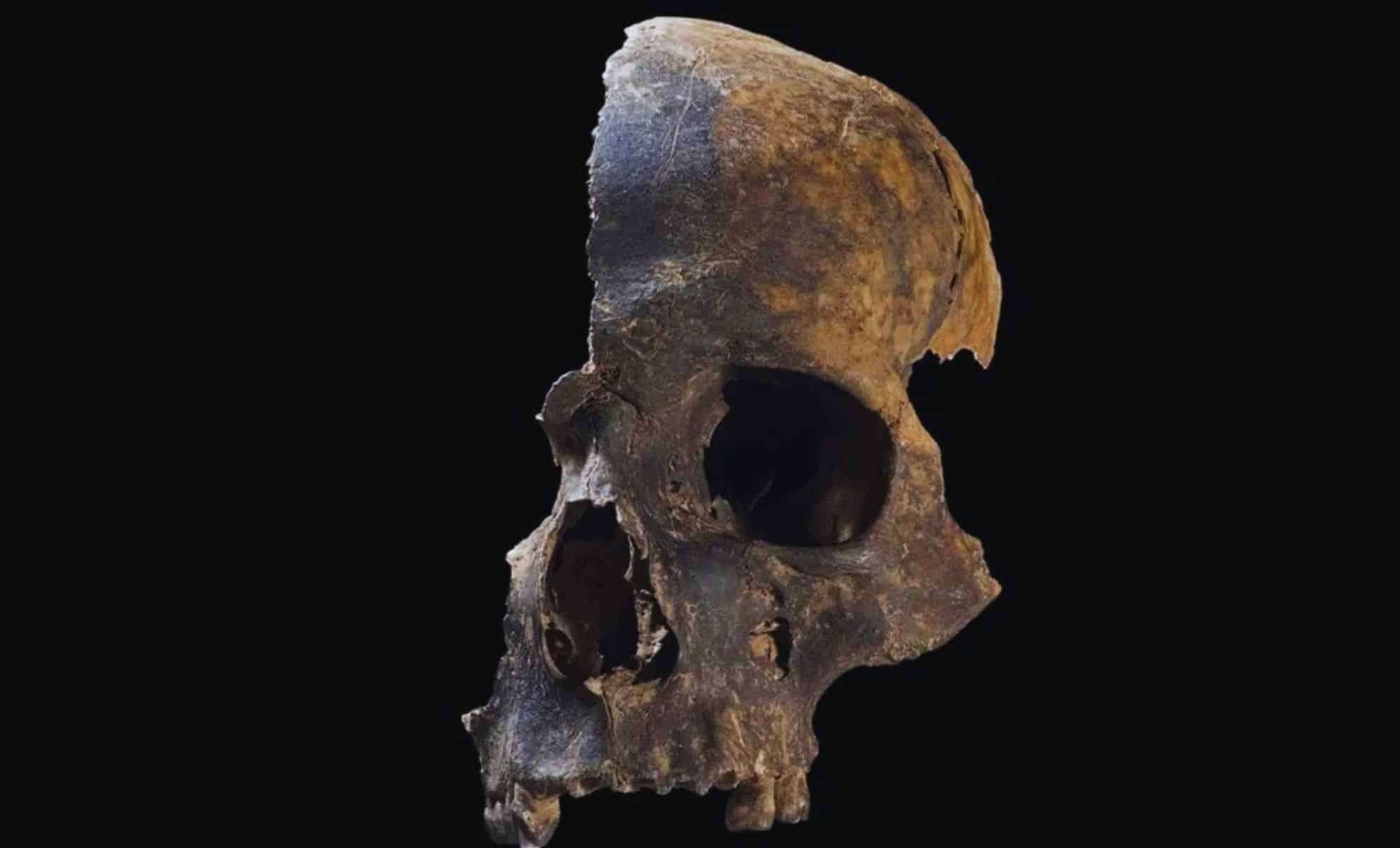
Archaeologists have unearthed a harrowing episode from around 4,000 years ago in southwest England, revealing the brutal execution of at least 37 men, women, and children. These victims were discarded into a deep natural pit, their remains bearing haunting signs of violence potentially linked to cannibalistic acts and ritualistic horrors previously undocumented in Britain’s Early Bronze Age.
Shocking Evidence of Extreme Violence
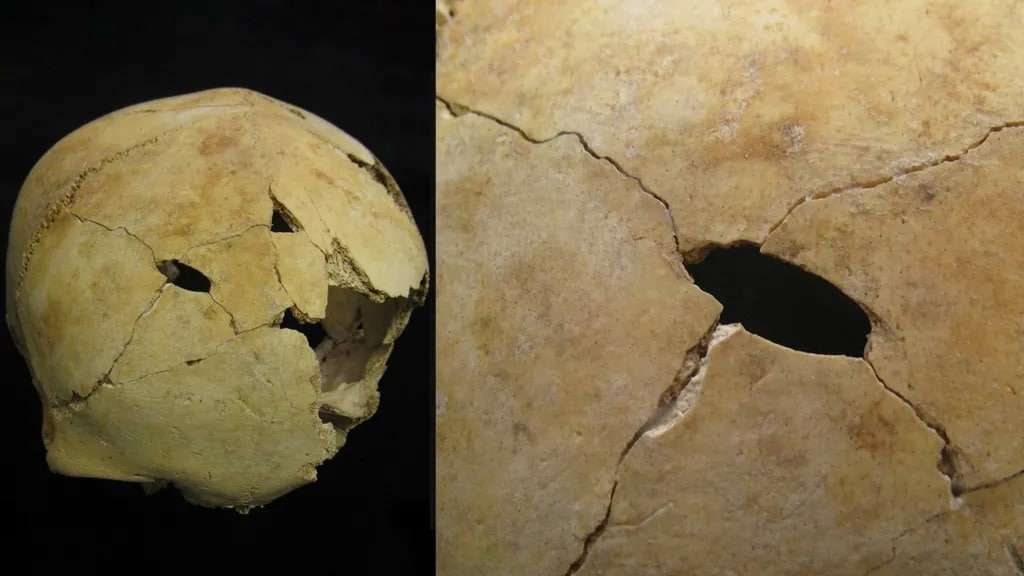
The site known as Charterhouse Warren yielded skeletal remains marked by severe blunt trauma, likely inflicted by wooden clubs, found on nearly half the skulls. The absence of defense wounds implies the victims were captured and killed in a sudden assault. Dating between 4,200 and 4,000 years ago—corresponding to the Early Bronze Age—this massacre reveals a grim facet of prehistoric life.
Cannibalistic Practices or Ritualistic Behavior?
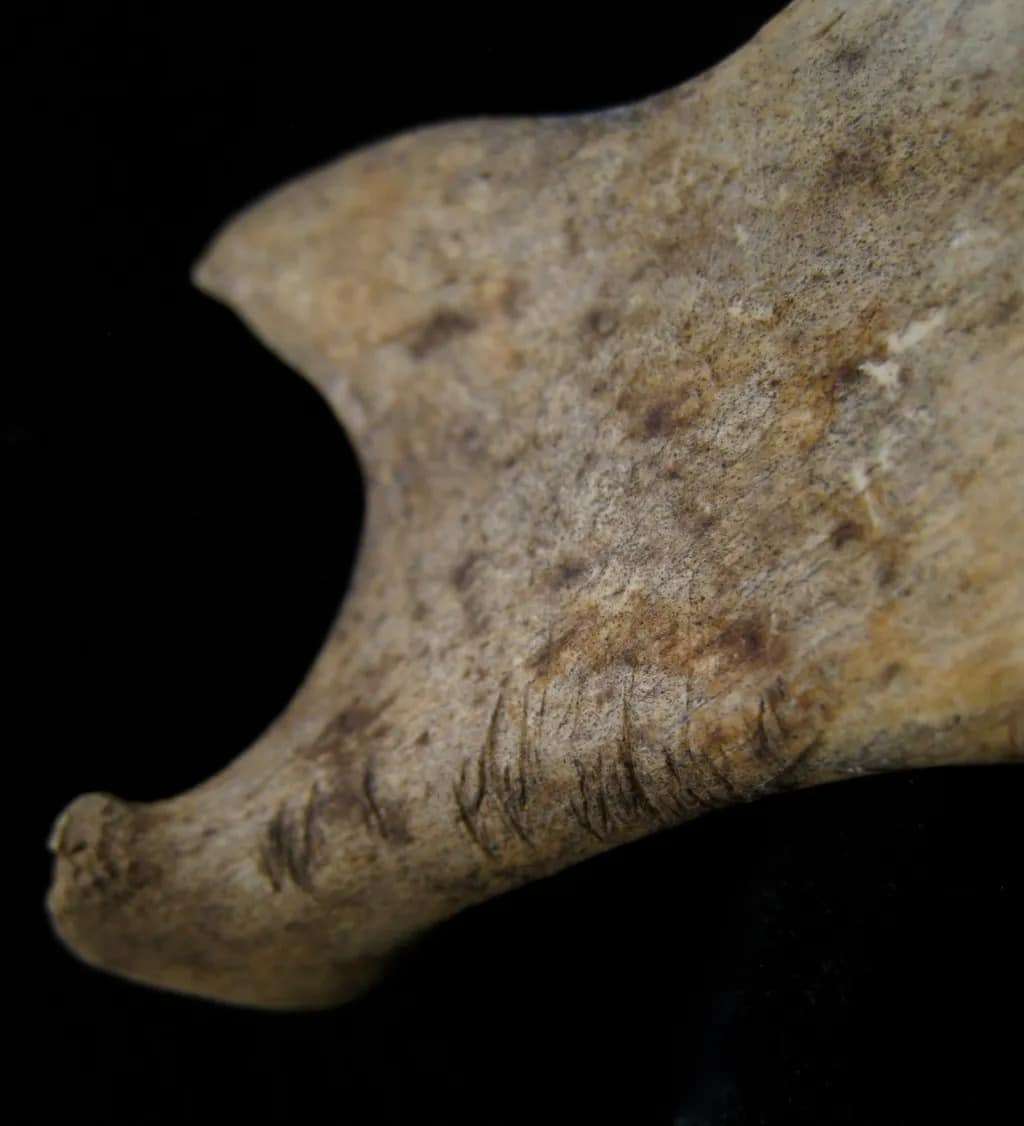
Among the grisly remains, investigators identified cut marks indicating flesh removal, bone breakage consistent with marrow extraction, and human bite impressions on hand and foot bones. This suggests that the perpetrators did not merely kill but may have consumed their victims, raising questions about whether these acts were part of a ritual or a method of enemy degradation.

Identifying the Perpetrators: An Unsolved Mystery
No archaeological traces—such as weapons or artifacts—link the attackers to a specific group, leaving their identity a matter of speculation. Oxford archaeologist Rick Schulting proposes that the massacre might have been an act of tribal retaliation, reflecting the escalating cycles of violence seen in human history. Intriguingly, butchered animal bones discovered alongside human remains add another layer of complexity to interpreting the event’s motives.
A Dark Lens Into Britain’s Prehistoric Era
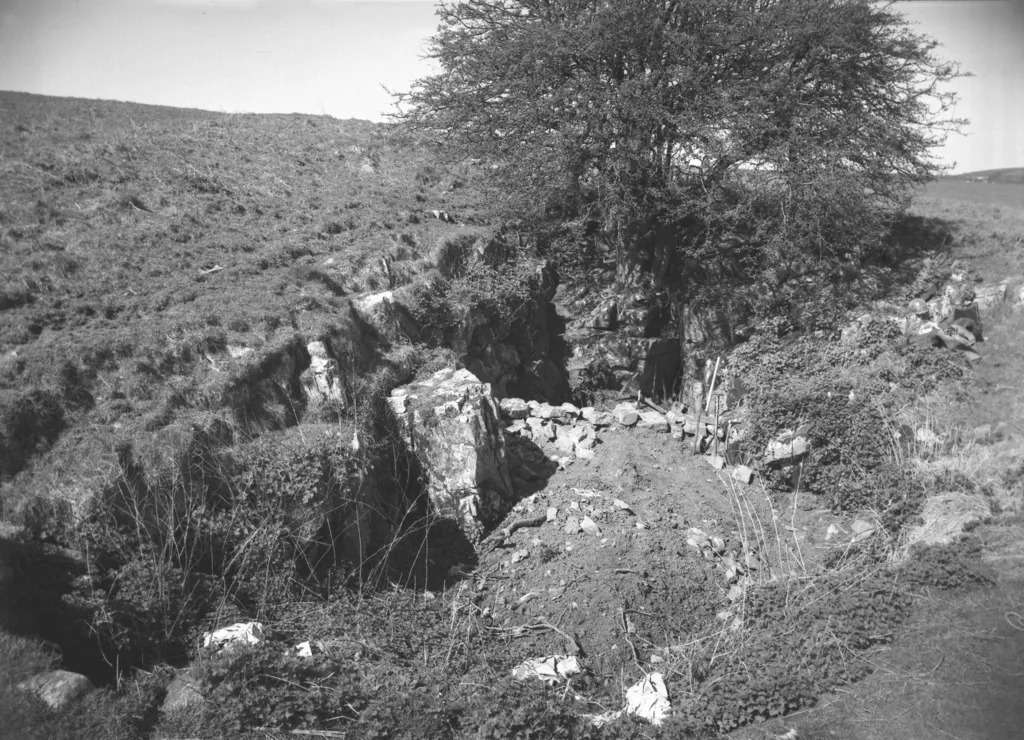
This unprecedented find exposes a violent chapter rarely seen in Britain’s Early Bronze Age, with no prior known event matching this level of carnage. The victims—men, women, and children—were thrown into a 15-meter natural chasm, treated with the same brutal disregard as animal prey. Few parallels exist in European prehistory regarding such large-scale and savage violence.
Debates That Challenge Our Understanding of Prehistoric Societies
Scholars are divided between interpreting the carnage as a ritualistic homicide or a brutal episode of revenge-driven conflict. The mixing of human bones with those of butchered animals often symbolizes dehumanization and could represent ancient propaganda or ritual. Schulting and his team argue that recurring retaliatory violence akin to what is seen in some modern hunter-gatherer tribes could explain the massacre’s scale and savagery.
The Charterhouse Warren massacre remains a chilling enigma: who orchestrated this slaughter, what fueled such ferocity, and what implications does it hold for our understanding of early civilizations? For more details, see the full report published in sciencenews.










0 comments
Sign in to Comment