
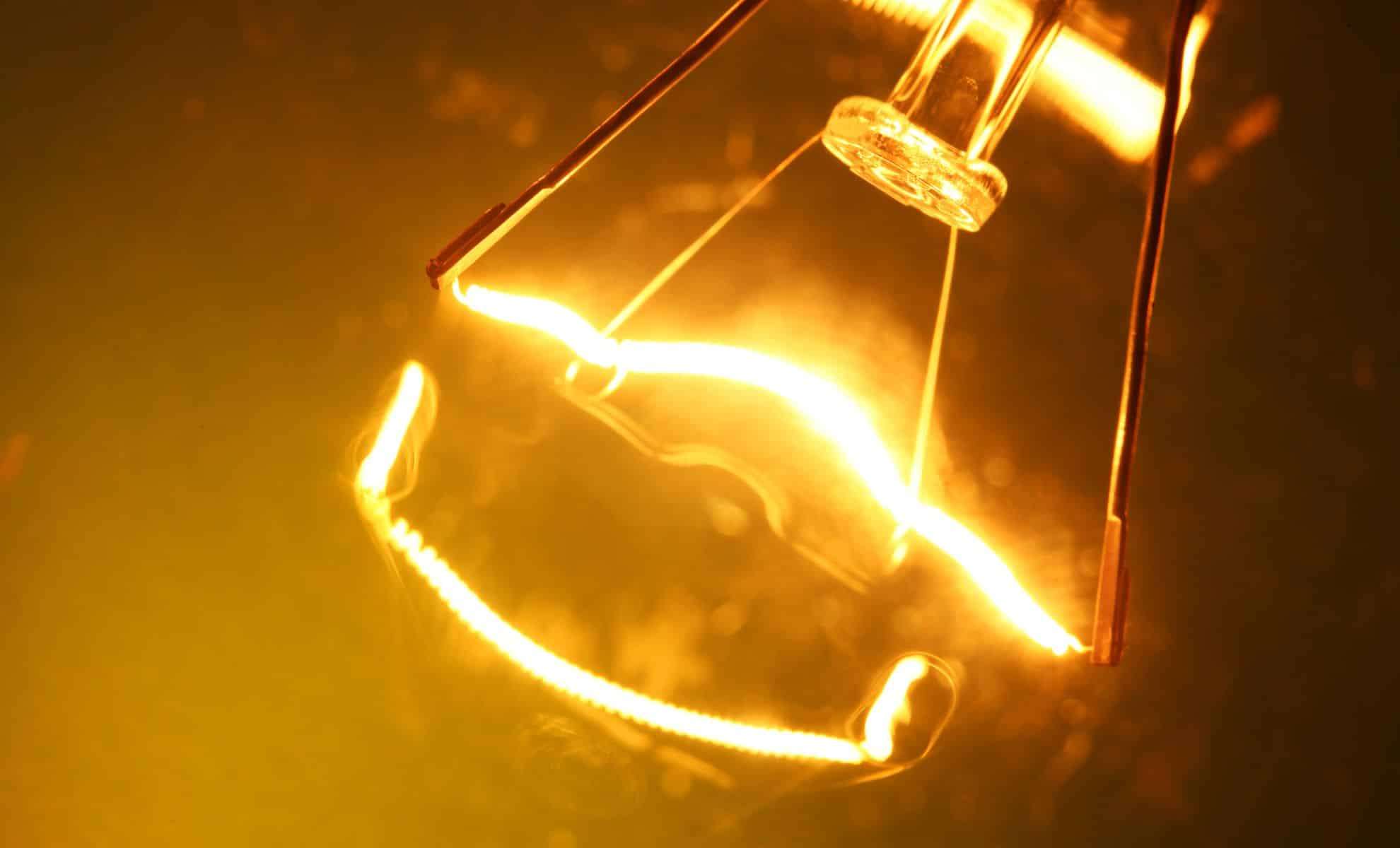
Researchers recently uncovered traces of tungsten in fragments from Tycho Brahe’s workshop, an element unknown to scientists until the late 18th century.
Unraveling a 16th-Century Enigma in Historic Fragments
While analyzing alchemical ceramic remnants from Hven, the Danish island famed for Brahe’s Uraniborg observatory, scientists detected an unexpected chemical marker.
Employing X-ray fluorescence spectroscopy and Raman microspectroscopy, experts from the Czech Academy of Sciences identified tungsten particles embedded in the glazes of these workshop fragments—astonishing given that tungsten wasn’t isolated until 1783, nearly two centuries after Brahe’s death in 1601.

“Tungsten is very mysterious,” Kaare Lund Rasmussen, archaeometry expert at the University of Southern Denmark, said in a statement. “Tungsten had not even been described at that time, so what should we infer from its presence on a shard from Tycho Brahe’s alchemy workshop?”
This discovery raises fascinating questions regarding tungsten's occurrence centuries before its formal identification.
The Significance of Tungsten’s Early Detection
Extracting tungsten is notoriously difficult due to the exceptionally high temperatures needed to reduce its ores, making its appearance in 16th-century materials all the more remarkable. Typically linked with contemporary metallurgy and sophisticated chemistry, tungsten was not thought accessible to Renaissance alchemists.
Such processes might have taken place in crucibles or furnaces fueled by charcoal, capable of reaching temperatures above 1000 °C. While this heat suffices to reduce some metal oxides, it falls short by modern standards for fully reducing tungsten oxide.
Inside the Laboratory of a Legendary Scientist
Tycho Brahe is celebrated chiefly for his precise celestial measurements, which laid groundwork for Johannes Kepler’s laws governing planetary orbits. Beyond astronomy, Brahe engaged extensively in alchemy, operating a sophisticated lab next to his observatory where he pursued medicinal concoctions and various chemical experiments.
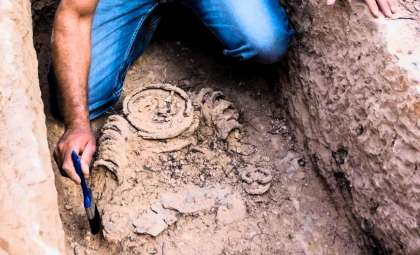
Excavations on Hven in the late 20th and early 21st centuries uncovered ceramic fragments from Brahe’s laboratory, stored for years until modern techniques enabled new analysis. The shards revealed chemical traces from reactions involving metals such as iron, copper, antimony, and now tungsten.
“Most intriguing are the elements found in higher concentrations than expected, indicating enrichment and providing insight into the substances used in Tycho Brahe’s alchemical laboratory,” he added.
Exploring How Tungsten Could Have Appeared
The scientists propose tungsten might have been introduced accidentally, possibly as an impurity within the ores processed in Brahe’s lab. However, the exact source remains uncertain.
“Maybe Tycho Brahe had heard about this and thus knew of tungsten’s existence,” Rasmussen suggested. “But this is not something we know or can say based on the analyses I have done. It is merely a possible theoretical explanation for why we find tungsten in the samples.”
Implications for Science History
This finding challenges traditional views on the boundaries between alchemy and early scientific inquiry. It implies that highly resourceful and intellectually driven alchemists like Brahe could have accessed or experimented with elements ahead of recognized discovery timelines.
The research invites scholars to reexamine early scientific materials and reconsider when significant elements from the modern periodic table began to be understood and manipulated.
- Categories:
- Science






0 comments
Sign in to Comment