
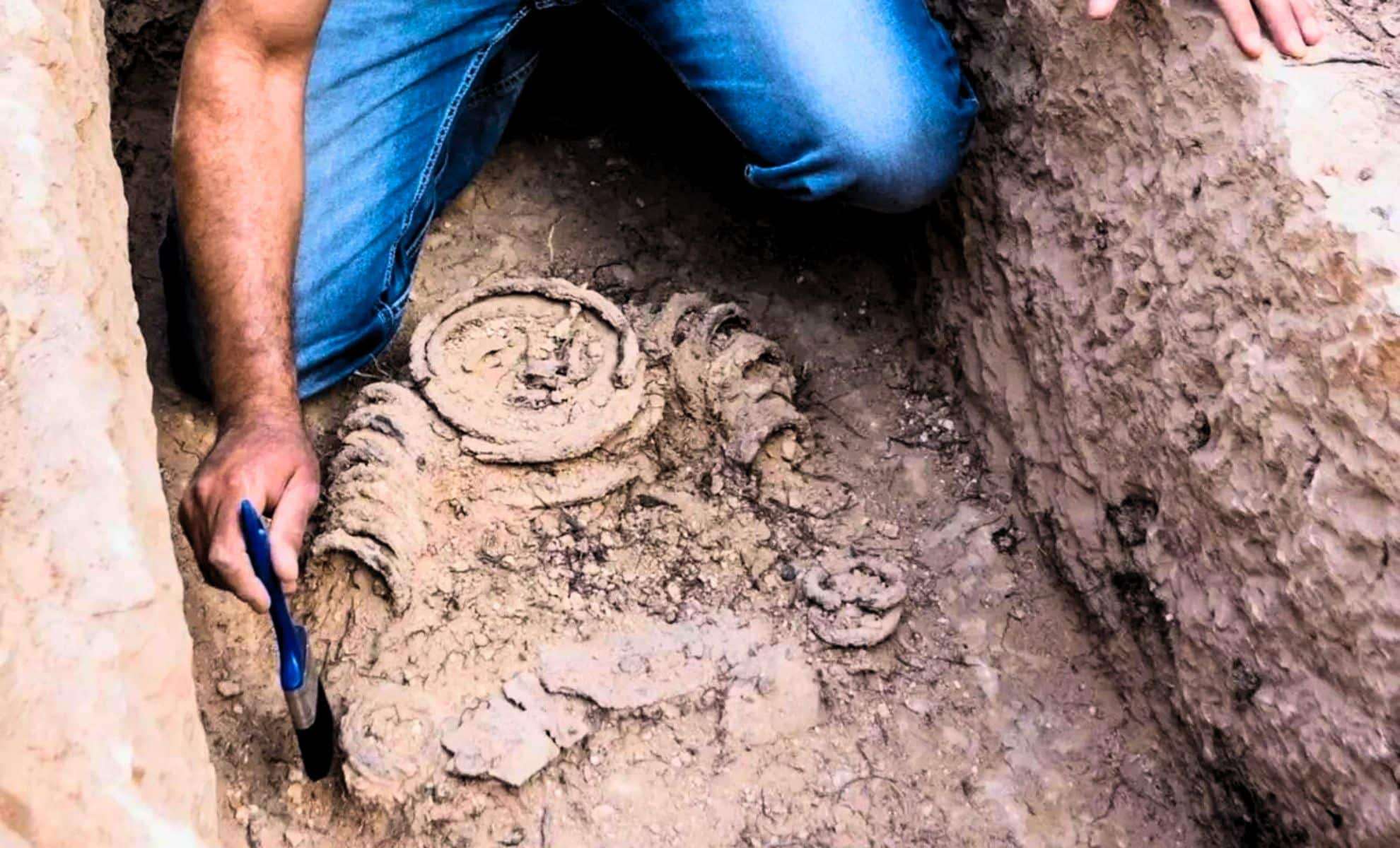
Initially thought to be the remains of a Byzantine male monk discovered under a historic monastery in Jerusalem, recent scientific investigations have revealed a surprising truth: the skeleton belongs to one of the earliest identified Christian nuns.
Unearthing a Secret Burial in a Sacred Locale
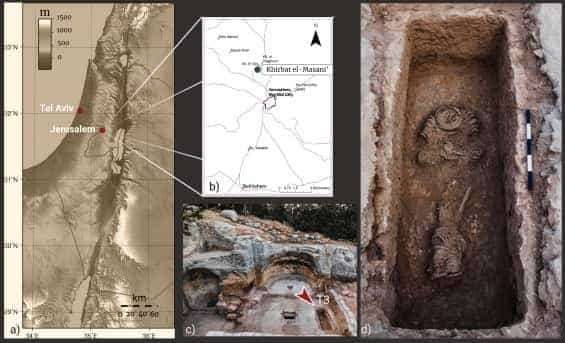
Jerusalem, a city steeped in religious heritage, has long attracted devotees and scholars alike. Among its sacred sites, the Khirbat el-Masani monastery in the northern sector held a secret waiting to be revealed.
In 2023, archaeologists announced the finding of a burial within this Byzantine structure, originally identifying the bones as those of a male ascetic embellished with jewelry—a puzzling detail given the typical ascetic practices of monastic men of that era.

However, two years later, an innovative study, forthcoming in April 2025 in the Journal of Archaeological Science, exposes the truth: the skeleton is that of a woman who lived and died as part of the Byzantine monastic community.
Scientific Analysis Reveals the Nun’s Identity
Identifying the gender of skeletal remains from such an ancient period is challenging, especially with the wear and decay over time. Researchers concentrated on two critical anatomical features: the spinal bones and dental remains.
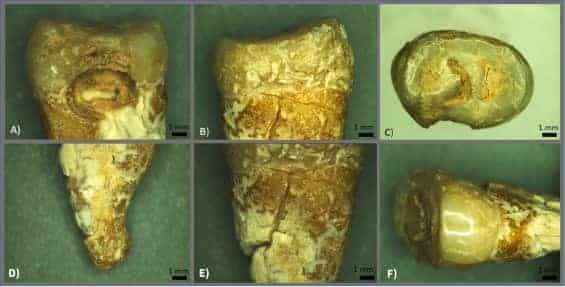
Examination of the vertebrae suggested that the individual was aged somewhere between 20 and 60 years when she died. The pivotal clue was found in a second premolar tooth, remarkably well-preserved across the centuries.
Tests detecting AmelX peptides, markers associated with XX chromosomes, conclusively identified the skeleton as female, likely about 30 years old at death.
This revelation challenges prevailing notions about female ascetics in Byzantine Christianity, highlighting a narrative that has largely been eclipsed by male-focused historical accounts.
Rediscovering Female Monasticism in Early Christianity
The burial dates to the 5th century, a period marked by the rapid expansion of Christianity and flourishing monastic traditions. Byzantine monks, famous for extreme self-denial, would rarely be buried with personal adornments, yet this tomb contained various ornamental items, contributing to the initial misidentification.
Finding evidence of a female monastic practitioner in this context provokes a reevaluation of the roles women played in early Christian asceticism. While male monastic life is well documented, female monasticism remains less understood.
Notable women such as Mary Magdalene and Lydia are mentioned in Christian scriptures, but their involvement in ascetic lifestyles has been less visible.
This discovery adds rare material proof that women also partook in severe religious dedication, potentially representing some of the within Byzantine society.
Rewriting the Narrative of Early Christian Women
Uncovering a 5th-century female ascetic in a burial place previously thought to be exclusive to monks sparks new questions. Could female monasticism have been more prevalent than historians recognized? Might numerous forgotten nuns remain buried beneath ancient religious sites?
What was once assumed to be the grave of a monk now stands as a poignant reminder of the
often overlooked influence of women in the foundations of Christianity.
- Categories:
- Science











0 comments
Sign in to Comment