
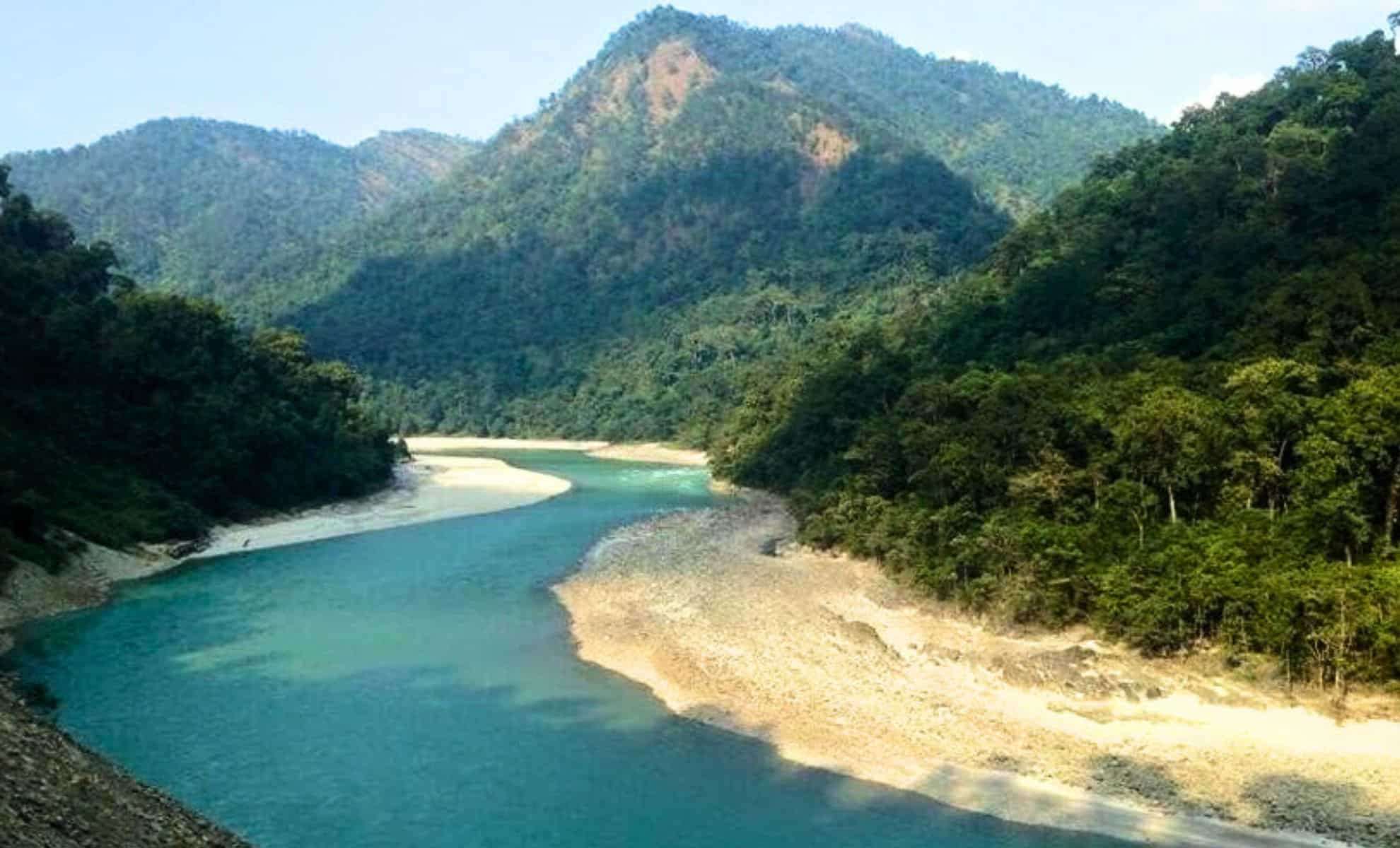
The Chel snakehead (Channa amphibeus), once presumed extinct for more than 80 years, has been found again in India’s Himalayan region, surprising conservationists and ichthyologists alike. This elusive freshwater predator was believed lost since the early 1900s, but its recent sighting reveals nature's resilience in unexpected corners.
A Creature Missing for Generations
The final documented encounter with the Chel snakehead occurred in specimens collected from 1918 to 1933. Following that, extensive searches failed to locate the species, leading experts to classify it as extinct. Its absence has remained one of the most puzzling enigmas in Indian fish studies.
Remarkably, in 2024, the species reemerged. Inspired by accounts from indigenous communities who reported sightings, scientists explored the depths of the Chel River in West Bengal. Their efforts resulted in capturing three live individuals and obtaining photographic proof that this rare fish persists in its natural habitat.

A Groundbreaking Discovery Along the Chel River
Located near Kalimpong in the Himalayan foothills, researchers found the Chel snakehead inhabiting the same river system where it was last recorded almost a century ago. Local villagers’ knowledge about this fish fueled the expedition that confirmed the species’ survival.
Tejas Thackeray, founder of the Thackeray Wildlife Foundation, highlighted the importance of this milestone. “Solving this longstanding mystery underscores the value of ongoing exploration and showcases nature's enduring biodiversity, even for species once thought lost,” he expressed on social media.
The Enigmatic Chel Snakehead
Among snakehead species, the Chel snakehead is distinguished by its vivid green scales, yellow stripe patterns, and notably large size—ranking it as the largest known snakehead. Despite these striking features, the fish evaded detection for almost 100 years, dodging multiple survey attempts.
This discovery also demonstrates the invaluable role that indigenous knowledge plays in wildlife research. It was insights from native communities that refocused scientific efforts, ultimately leading to this astonishing find.
The Future of the Chel Snakehead
With the species' survival confirmed, scientists now ask: what factors have allowed this fish to evade discovery for such an extended period? A recent study published in Zootaxa suggests that its habitat—rapid and secluded freshwater streams—helped conceal the population. Nevertheless, threats like deforestation, pollution, and habitat fragmentation endanger the fragile ecosystem supporting the species.
Currently, the Thackeray Wildlife Foundation alongside conservationists is advocating for comprehensive studies to understand the Chel snakehead’s population dynamics, behaviors, and ecological requirements. Protecting this unique fish and its habitat will be essential to prevent it from disappearing once again.










0 comments
Sign in to Comment