
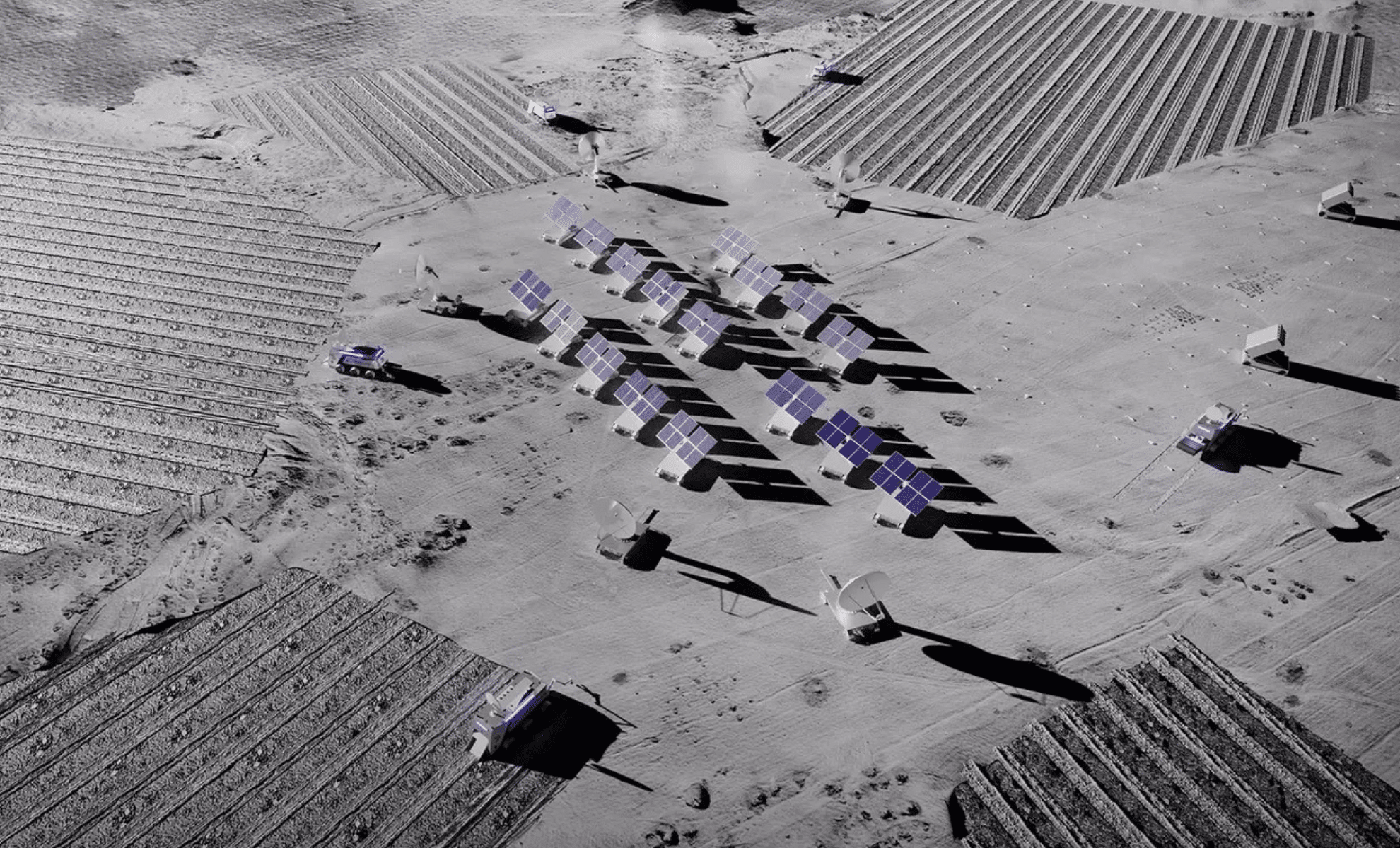
Interlune, a startup based in Seattle, is pushing forward ambitious plans to harvest helium-3 directly from the lunar surface, with aspirations to become a pioneer in extraterrestrial commercial mining. As detailed by Forbes, their focus is on deploying autonomous robots designed to extract and process lunar soil, aiming to capture this rare isotope increasingly sought after for advanced Earth-based technologies, including applications in quantum computing and nuclear security.
The Potential and Significance of Helium-3
Helium-3 stands out as a highly valuable element. On Earth, it commands prices up to $19 million per kilogram due to its scarcity. It plays critical roles in neutron detectors for nuclear threat prevention and serves as a cooling medium for quantum computers developed by tech giants like Google, Amazon, and IBM. Looking ahead, this isotope is viewed by researchers as a promising fuel for clean nuclear fusion, offering an energy source with virtually no radioactive waste — a prospect that has inspired scientific enthusiasm for decades.
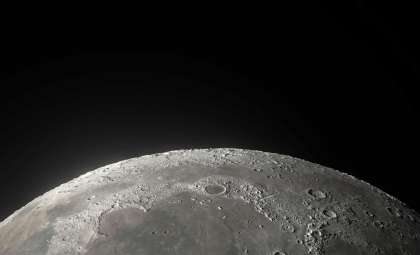
The lunar surface presents a unique reservoir: exposed to the solar wind over billions of years, it contains helium-3 at concentrations far exceeding terrestrial levels. Extracting it remains a considerable challenge, as machines must process vast quantities of moon dust to isolate tiny amounts of the gas. Yet, Interlune contends that helium-3’s exceptional value relative to its weight makes it an ideal target for initiating the burgeoning space mining sector.

Designing the First Lunar Extraction Vehicle
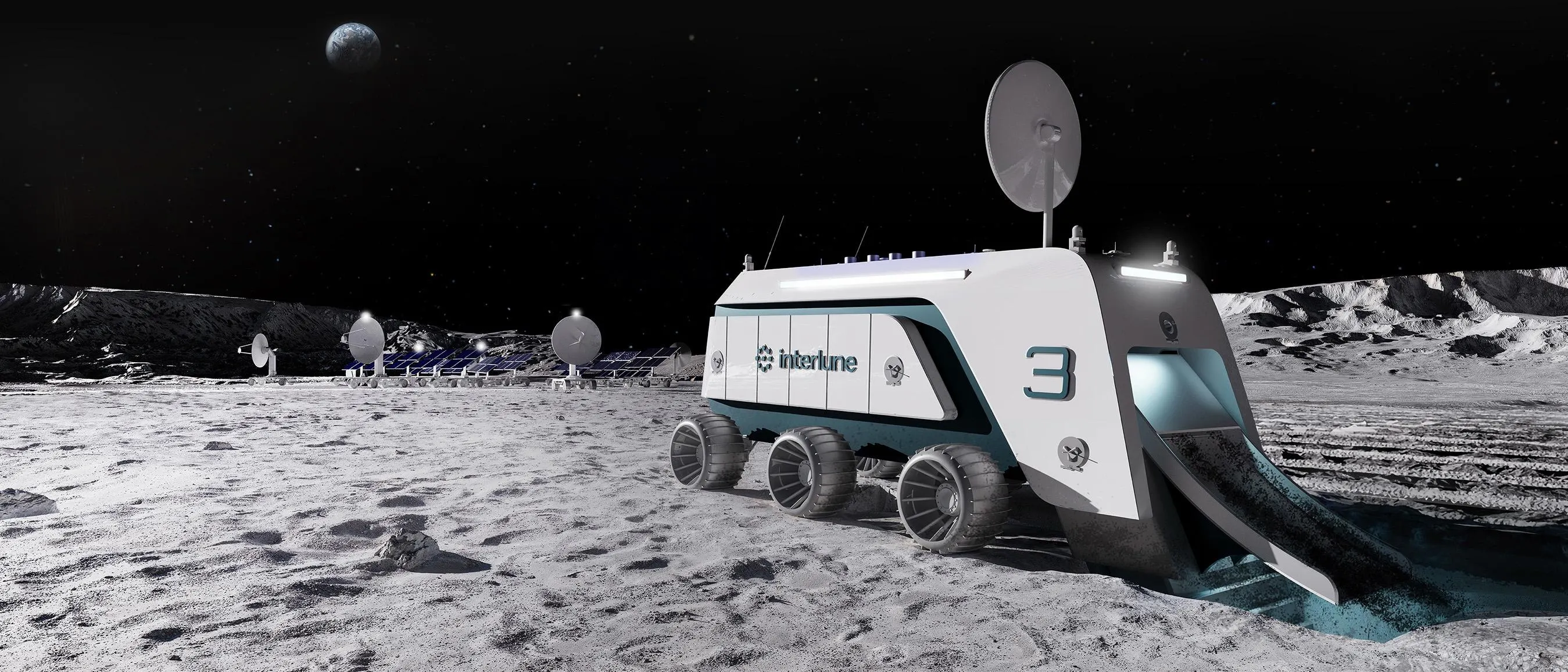
To tackle this challenge, Interlune has partnered with equipment manufacturer Vermeer to build a lunar excavator about the size of a compact electric car. Modeled on farm combines, this machine will collect regolith, extract helium-3 onboard, and leave behind processed soil. Its design features an undercutting auger — a rotating mechanism that feeds material in and helps anchor the vehicle against the Moon’s weak gravity.
The harsh lunar environment adds complexity. The abrasive dust threatens machinery by damaging seals and wearing down components, while temperature swings range from 250°F during the lunar day to a frigid minus 410°F at night. To separate helium-3, Interlune has created specialized cryogenic distillation technology that cools gases from crushed regolith below minus 450°F, enabling liquefaction of other gases and the collection of helium-3. “This is probably [our] hardest problem, but we’re making a huge amount of progress,” said Gary Lai, Interlune’s chief technical officer.
Funding and Launch: Key to the Economic Equation
The financial viability of mining on the Moon remains uncertain. Interlune has raised $18 million in investments, including a major $15 million contribution from Alexis Ohanian’s venture fund Seven Seven Six, and secured contracts with early clients like the U.S. Department of Energy and refrigeration firm Maybell. Their inaugural mission is planned for 2029, deploying one excavator to demonstrate its operation on the lunar surface.
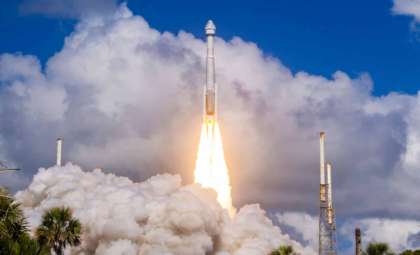
Expenses could climb into the hundreds of millions, mostly driven by the high cost of delivering equipment to the Moon. “I don’t think the actual cost of the machines is going to be that substantial, in the broad scheme of things,” Andringa said. “The most substantial cost by far is going to be launching everything to the surface of the moon.” Interlune is banking on SpaceX’s Starship—with its large payload capacity and reduced launch expenses—to make this endeavor economically feasible. If Starship faces delays, alternatives like Blue Origin’s lunar lander might step in but with higher costs and more frequent flights.
Earth-Based Applications and Early Revenue Streams
While lunar mining is still on the horizon, Interlune is already generating income through terrestrial applications. Their distillation system can be used by natural gas suppliers to extract trace helium-3 on Earth, potentially producing quantities sufficient for annual supply. Additionally, the company manufactures simulated lunar regolith, moon dust infused with gases to test mining tools—this product is popular among other aerospace startups and government projects developing lunar technology.
These ventures not only provide financial support but help Interlune refine their techniques, reducing future mission risks. Monetizing intermediate technology advances bridges the gap between R&D and actual lunar operations.
From Apollo Missions to Modern Innovation
Leading Interlune’s technical direction is Harrison Schmitt, Apollo 17 astronaut and the only geologist to have walked on the lunar surface. Schmitt has championed helium-3’s potential as a transformative energy source and lunar resource utilization since the 1980s. Now serving as executive chairman, he has guided the identification of lunar regions richer in helium-3 than previously sampled by Apollo missions.
Schmitt’s involvement brings a blend of historical insight and scientific authority to the company’s vision. His leadership ties the legacy of lunar exploration to today’s growing space economy. For him, mining the Moon holds promise not only for economic growth but also for advancing humanity’s reach beyond Earth.
- Categories:
- News


0 comments
Sign in to Comment