
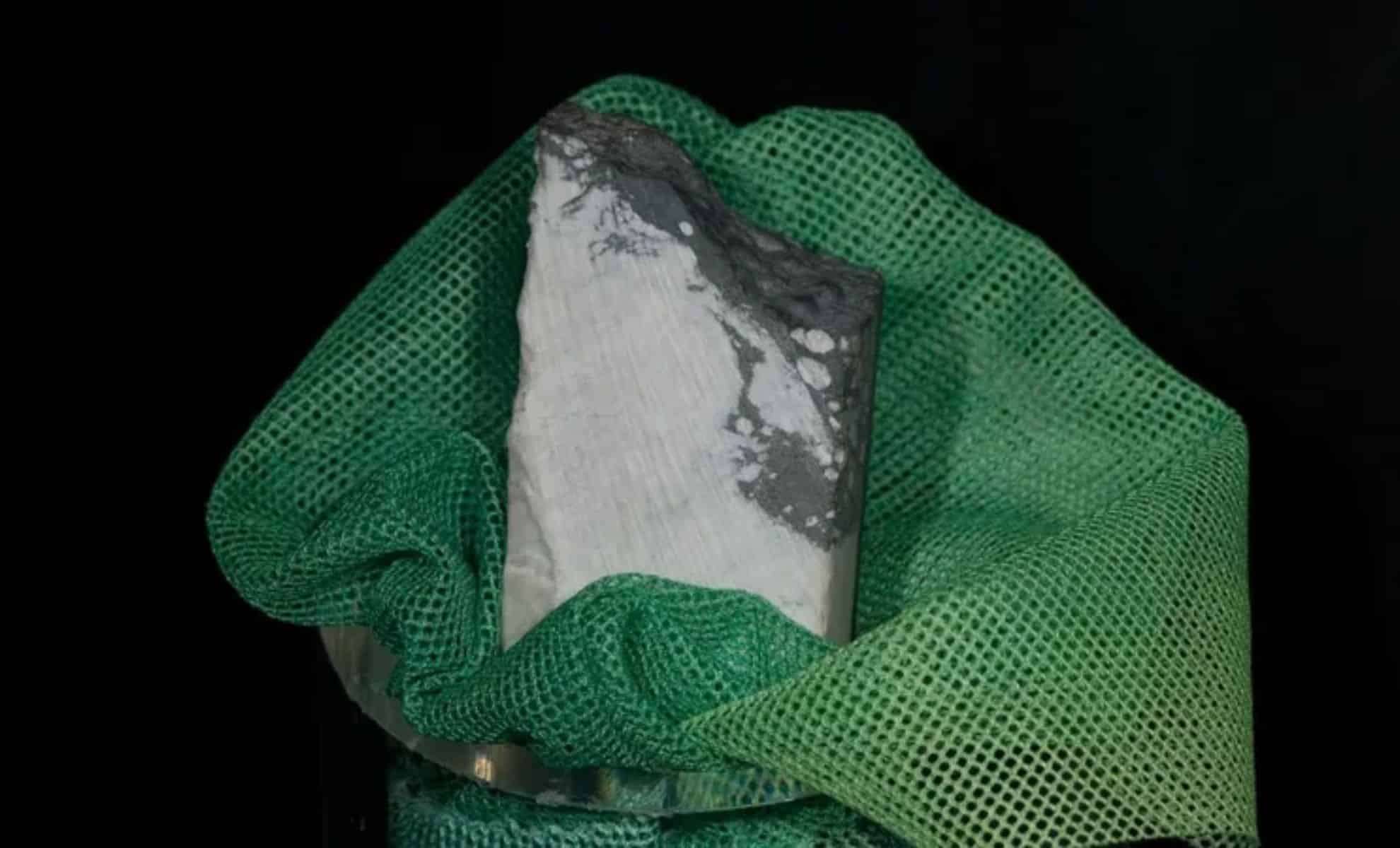
Jadarite is a unique lithium-bearing mineral exclusively discovered in Serbia’s Jadar Basin, garnering significant interest from both scientific researchers and energy companies. Though it shares a chemical resemblance with the fictional kryptonite from Superman lore, jadarite is neither radioactive nor luminescent. Instead, it possesses immense potential to transform battery technology and support sustainable energy development.
Identified in 2004 by geologists working for Rio Tinto, jadarite is a previously unknown sodium lithium borosilicate hydroxide mineral. Its distinct chemical composition baffled experts at first, as it had no counterparts in published mineralogical records. This breakthrough not only added a new entry to the mineral world but also illuminated new pathways to lithium extraction.
Decoding the Mineral’s Rare Formation
Understanding how jadarite originates has long puzzled scientists due to its extremely uncommon formation conditions. Recent studies have now pinpointed the exact environmental triggers essential for its crystallization. Dr. Francesco Putzolu from the Natural History Museum in London emphasizes that “the conditions must be meticulously balanced to allow jadarite to develop.”

The mineral forms only when lithium-rich volcanic glass interacts with alkaline terminal lakes and undergoes specific alterations in clay minerals, culminating in its crystalline structure. These conditions are so rare that jadarite remains exclusive to the Jadar region. If factors such as acidity, temperature, or mineral proportions deviate even slightly, the mineral cannot form.
Prospects for Discovering New Lithium Reserves
With a clearer picture of how jadarite forms, researchers can now better target areas for potential new deposits. Although these formation settings are distinctive, understanding the prerequisites narrows search parameters for analogous lithium sources. Jadarite’s occurrence may be limited, but pinpointing its environmental fingerprints boosts the likelihood of uncovering similar deposits elsewhere.
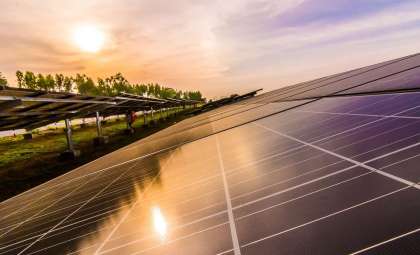
This mineral holds substantial promise amid the global shift toward sustainable energy. Lithium is critical for manufacturing electric vehicle batteries, and with Europe accelerating its commitment to renewable power, lithium demand is projected to soar.
Dr. Robin Armstrong, a geologist at the Natural History Museum and co-author of the research paper, explains, “Given the rising requirement for lithium in green energy solutions, jadarite has the potential to be a significant resource if responsibly mined.”
Impact on the Future of Renewable Energy
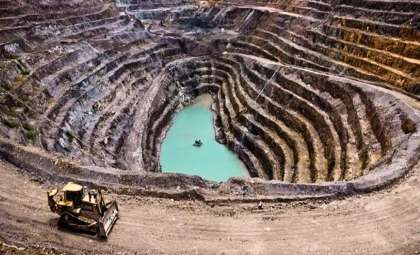
Despite jadarite’s exciting potential, extracting it presents complex challenges. The Serbian Jadar deposit has become a focal point of environmental and political discussions involving local authorities and the European Union. Mining efforts face hurdles from regulatory frameworks and sustainability concerns that must be carefully negotiated. As the global appetite for lithium intensifies, these obstacles will become even more critical.
The debates surrounding jadarite highlight the intricate balance between exploiting natural resources, protecting ecosystems, and navigating geopolitical interests. Addressing these conflicts is vital as the hunt for ethically sourced lithium intensifies.
Although jadarite lacks the dramatic aura of its fictional counterpart, its promising role in supporting renewable energy solutions is unmistakable.
- Categories:
- News





0 comments
Sign in to Comment