
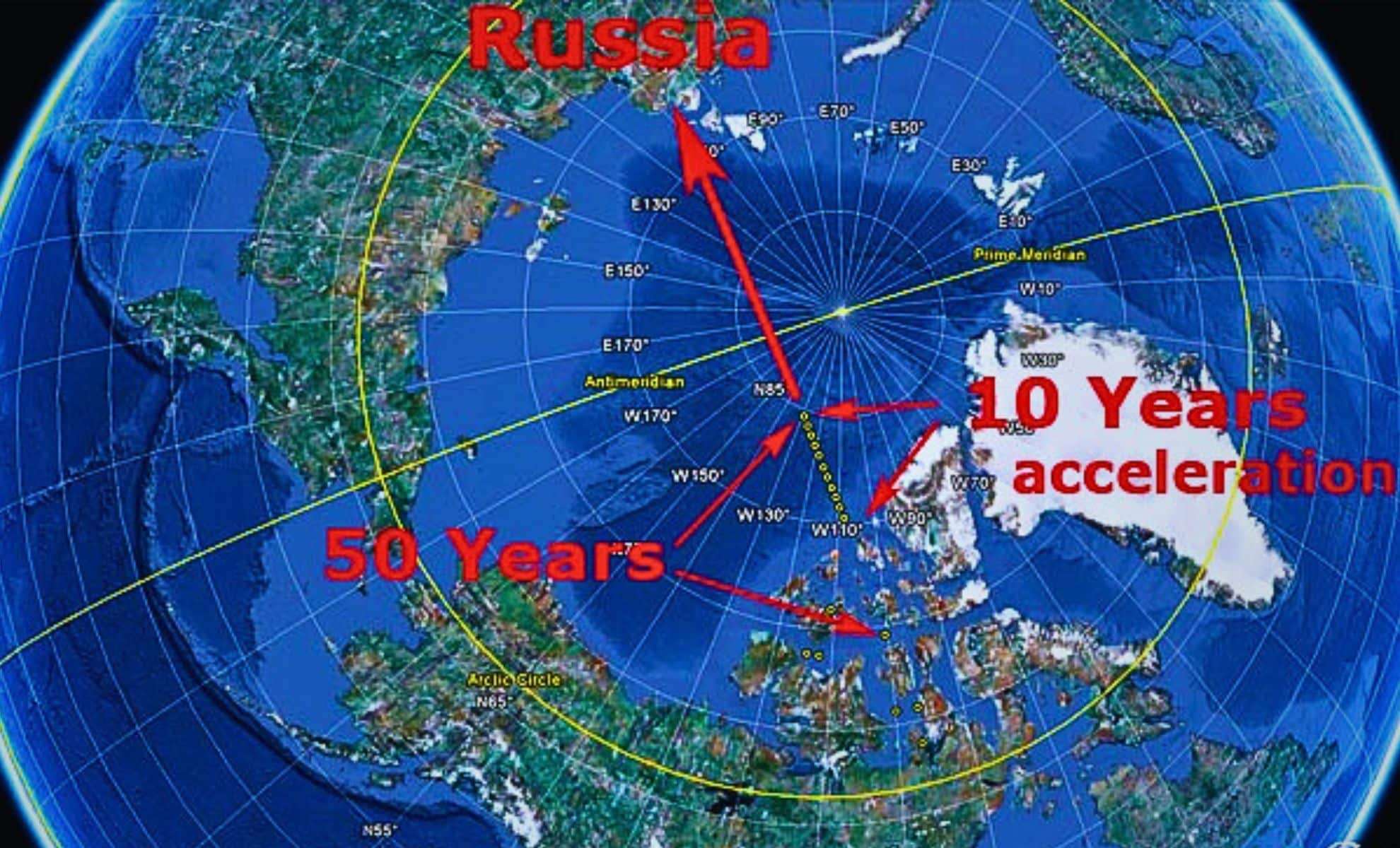
The location of Earth's Magnetic North Pole is rapidly migrating towards Russia at an unprecedented rate, raising concerns for GPS accuracy and smartphone functionality. What factors are driving this unusual displacement, and how might it disrupt current navigation technologies?
An Arctic Migration Like No Other
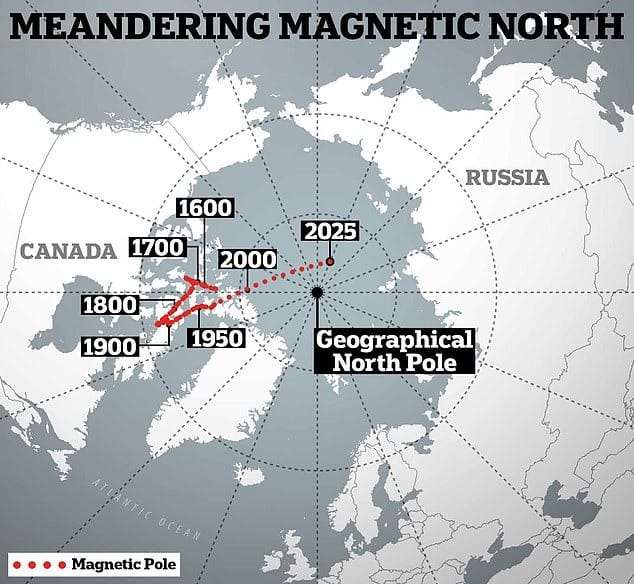
Historically situated near northern Canada, the magnetic North Pole has always been in motion, but recent changes are extraordinary. In the late 20th century, it began accelerating, crossing into the Arctic Ocean during the 1990s. The speed dramatically increased, peaking at about 55 kilometers per year in the 2010s. More recently, scientists report it advancing towards Siberia at approximately 25 kilometers per year.
Speed Changes Over Time
- Late 20th Century: Roughly 10–15 km annually
- 2000–2010: Approximately 55 km annually (highest recorded speed)
- 2018 to Today: Nearly 25 km annually
If this trend continues, the pole is expected to reach Siberia within the next few decades. Such swift movement is rare and suggests underlying changes occurring deep within Earth’s core.

Underlying Causes and Broader Implications
What triggers this unexpected drift? Dr. William Brown, an expert in the geomagnetic field, suggests several possible drivers:
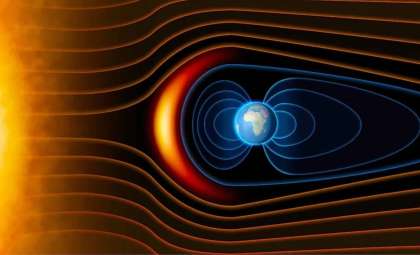
- Dynamics in Earth’s Outer Core: Variations in the flow of molten iron beneath Earth’s surface modify the magnetic field’s orientation and intensity.
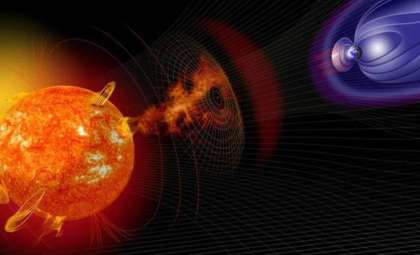
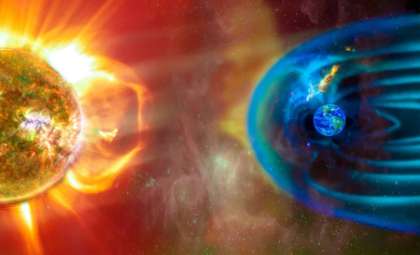
- Solar Activity: Energetic particles from solar storms interacting with the magnetosphere may enhance magnetic fluctuations.
- Historical Magnetic Reversals: The planet has reversed its magnetic poles about 200 times over the past 100 million years, with the last reversal occurring roughly 800,000 years ago.
Signs Pointing to a Possible Pole Reversal:
- Global weakening of magnetic field strength.
- Increased erratic motion of magnetic poles.
- Persistent anomalies such as those observed in the South Atlantic region.
Navigation Tech Could Encounter Challenges
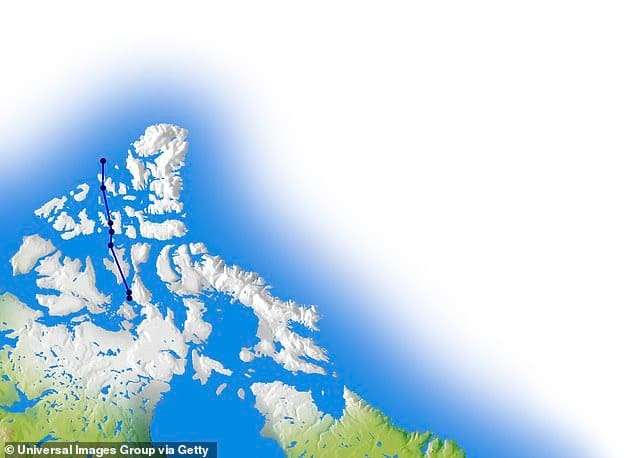
This shift has practical consequences as many technologies rely on magnetic orientation. The World Magnetic Model, created through collaboration between the British Geological Survey and NOAA, is crucial for keeping navigation precise. Here’s an overview:
If the magnetic pole shifts faster than the World Magnetic Model can update, navigation tools may suffer from inaccuracies, causing orientation and location errors.
Measures to Address Magnetic Pole Shifts
- Regular WMM Revisions: Scheduled every five years, or sooner if necessary.
- Enhanced Research Efforts: Ongoing observations of Earth’s internal core activity.
- Industry Education: Informing sectors that depend on magnetic navigation about possible disruptions.
Looking Forward
Although the pace of the pole’s movement has recently decreased, it remains a vital area for scientific observation. Organizations such as NOAA continue to monitor changes and update global magnetic models to protect systems reliant on accurate geomagnetic data.
Key Findings to Note:
- Magnetic North Pole Movement: Accelerated shift currently near 25 km per year towards Siberia.
- Affected Systems: GPS services, aviation navigation, and mobile device orientation.
- Response Strategies: Improved magnetic modeling, ongoing surveillance, and international cooperation.
The rapid migration of the Magnetic North Pole toward Russia is more than a scientific curiosity—it poses real challenges for global navigation networks and technologies. As this century unfolds, a critical question remains: how prepared are we for a potential pole reversal?








0 comments
Sign in to Comment