

Researchers exploring the ocean's depths have identified an extraordinary variant of oxygen known as “dark oxygen.” This elusive form, found miles beneath the sea, may hold the key to groundbreaking advances in energy production.
What Sets Dark Oxygen Apart?
“Dark oxygen” is a type of oxygen that behaves unlike the familiar oxygen we breathe. This discovery occurred at depths of approximately 4,000 meters (around 13,000 feet) below the ocean surface, where intense pressure creates conditions alien to the surface world. In these environments, oxygen exhibits unusual chemical properties.
A recent research article has captivated scientists worldwide. Andrew Sweetman, a deep-sea ecologist with the Scottish Association for Marine Science, shares his perspective:

“there had to be oxygen and our understanding has been that Earth’s oxygen supply began with photosynthetic organisms. But we now know that there is oxygen produced in the deep sea, where there is no light. I think we therefore need to revisit questions like: where could aerobic life have begun?”.
Exploring Dark Oxygen’s Energy Potential
Though still in the early research phase, dark oxygen presents exciting possibilities for future energy applications. Some experts hypothesize that simulating deep-sea conditions might enable the development of advanced energy storage solutions leveraging this distinctive oxygen form.
Additionally, dark oxygen could enhance fuel cell technologies, offering a cleaner and more sustainable alternative to fossil fuels such as coal and oil. Unlocking the mechanisms behind dark oxygen might revolutionize renewable energy strategies around the world.
Dark Oxygen’s Role in Next-Generation Energy Systems
This remarkable finding could pave the way for transformative advances in energy science. Replicating the extreme conditions found deep underwater on the Earth’s surface poses significant technical challenges, but successful adaptation could alter how energy is produced and stored.
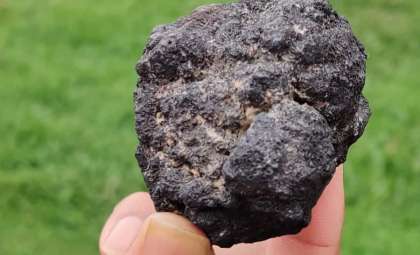
Furthermore, the implications of dark oxygen extend beyond power generation, potentially impacting fields such as environmental remediation and medical technology. The Deep Sea Conservation Coalition explains: “The production of oxygen at the seafloor by polymetallic nodules is a new ecosystem function that needs to be considered when assessing the impact of deep-sea mining.”
Looking Forward
Advancing our understanding of dark oxygen will require innovative research methods and responsible approaches to harnessing this resource. As efforts to combat climate change intensify, dark oxygen could provide valuable insights and technologies for a sustainable energy future.
In the upcoming years, oceanographers and energy scientists alike will deepen their exploration of this deep-sea phenomenon. Whether contributing to enhanced batteries, improved fuel cells, or entirely new innovations, dark oxygen may significantly influence the global transition toward cleaner energy.
- Categories:
- Science











0 comments
Sign in to Comment