
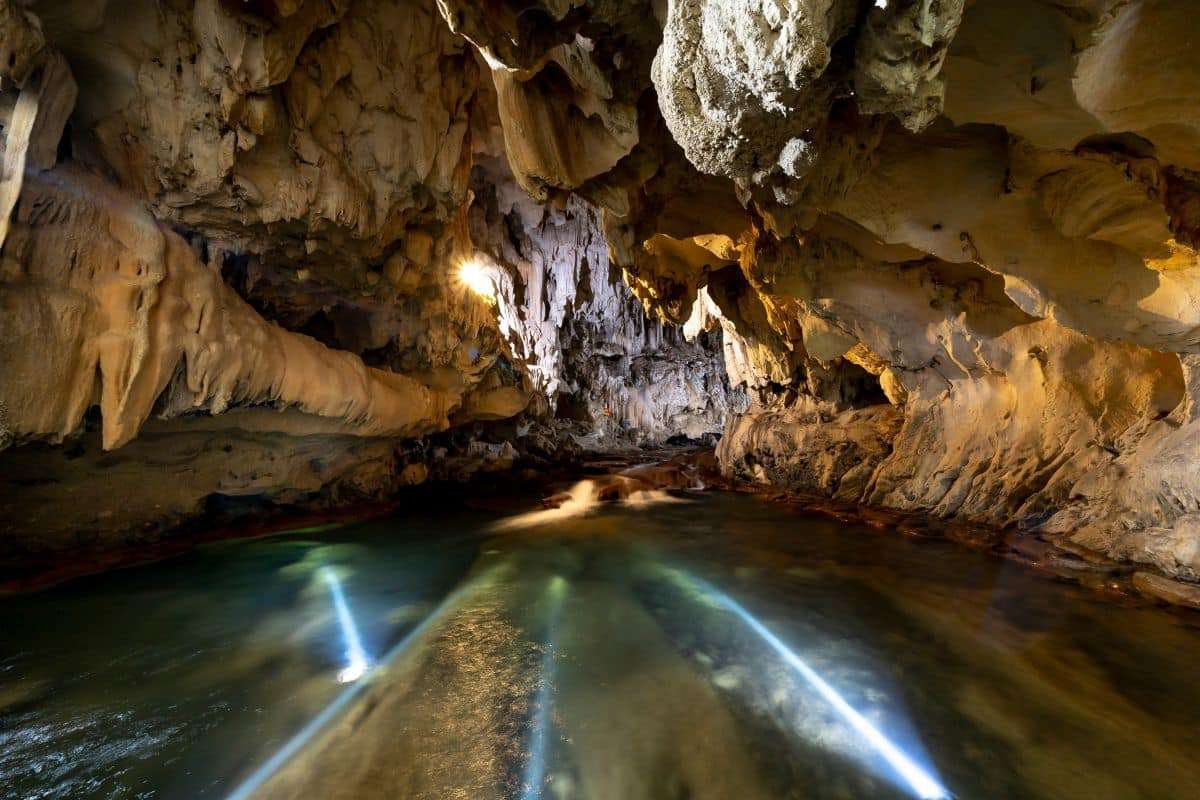
In Italy, researchers have uncovered a 2,000-year-old ceremonial complex concealed underneath an underground river. This remarkable find was made possible by temporarily redirecting the water flow, shedding light on its use for enigmatic cult ceremonies in antiquity.
A Hidden Sanctuary Shaped by Nature
Located in a region famed for its archaeological richness, marked by traces of both Roman and pre-Roman eras, this sanctuary stands apart. Unlike many ancient ruins simply forgotten over time, this site appears to have been purposefully concealed from view.
Upon halting and rerouting the subterranean river, archaeologists exposed stone formations that might have served as altars or sacred basins, buried beneath thick sediment. These installations imply the venue hosted ritual activities, potentially including purification ceremonies or offerings.

Insights from Unearthed Relics
Although the dig is still ongoing, initial finds include intricately carved stones, offering remnants, and structural components pointing to religious or ritualistic use. Several artifacts seem deliberately positioned within the shrine area, indicating possible sacrificial, devotional, or initiation rites.
One compelling idea is that this temple may relate to a previously unknown faith community. Should further evidence, such as distinctive symbols or inscriptions, emerge, it could shed light on the spiritual practices and beliefs of this secretive group.
Challenges in Revealing a Buried Shrine
Excavating a location submerged beneath a river involves formidable technical obstacles. Redirecting the river was an impressive engineering achievement, yet maintaining the site’s integrity during uncovering remains difficult. Prolonged exposure to sunlight and air after centuries underwater risks rapid deterioration of organic remains, demanding careful preservation strategies.
To address these difficulties, researchers employ advanced methods like 3D scanning, ground-penetrating radar, and virtual modeling. These technologies let scientists study the site’s details without harming fragile structures, ensuring thorough documentation before continued excavation.
Peering into an Ancient Hidden World
This find opens a unique window into a lost era—one concealed beneath the earth for more than two thousand years. While much knowledge of old religions stems from grand edifices and texts, discoveries like this illuminate a more intimate form of spirituality, one marked by secrecy, symbolism, and deliberate concealment.
The site’s placement beneath flowing water hints that its creators sought not only privacy but imbued the spot with spiritual meaning. Water has long symbolized cleansing, transformation, and transition between realms—an idea echoed in many initiation rites across cultures.
Looking Ahead in the Excavation Journey
Archaeologists are just scratching the surface of this underground sanctuary’s mysteries. As the excavation advances, experts anticipate uncovering additional relics that will reveal more about the identities, beliefs, and rituals of the ancient devotees who sought refuge in this hidden subterranean world.
- Categories:
- Science










0 comments
Sign in to Comment