
Researchers have uncovered a surprising source of oxygen deep beneath the Pacific Ocean floor, challenging long-held beliefs about how this vital gas is generated on Earth. This radical finding could have important implications for the quest to discover life beyond our planet.
Uncovering Oxygen Generation in Darkness
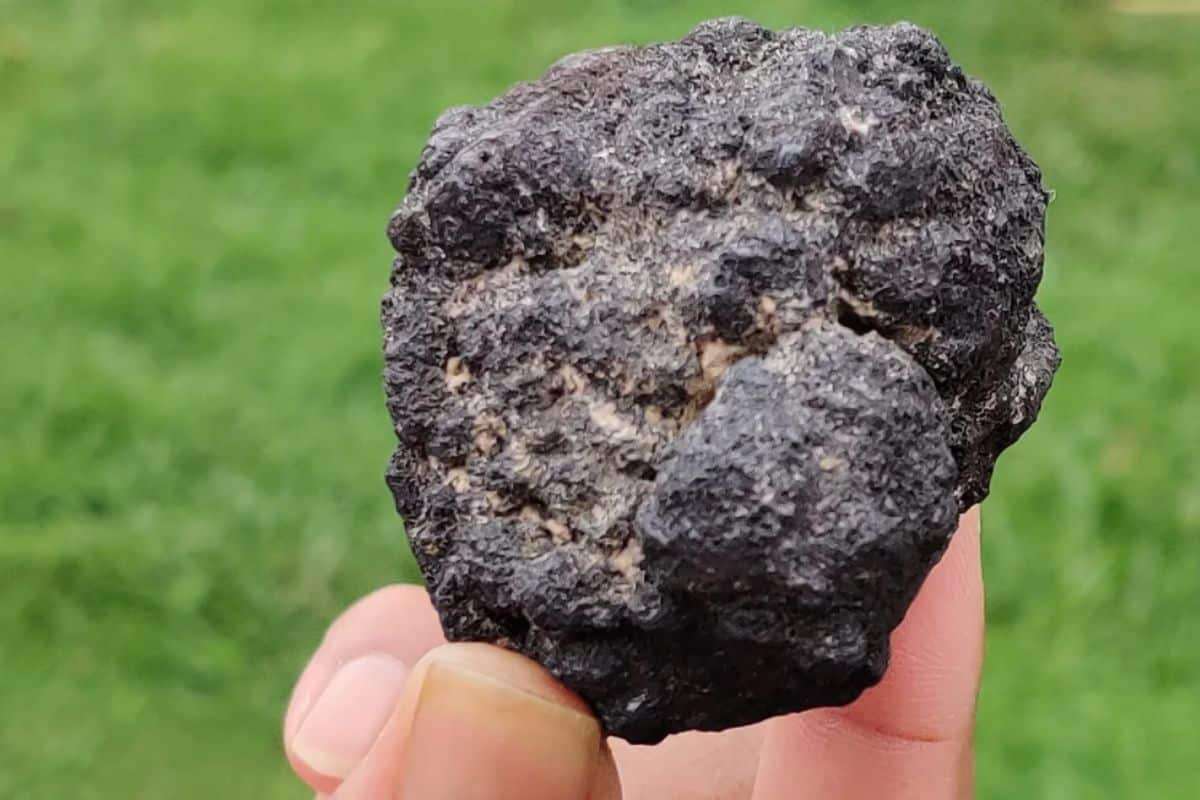
In a stunning revelation in July, a group led by Professor Andrew Sweetman from the Scottish Association for Marine Science (SAMS) identified a novel process occurring within metallic rocks located around 4,000 meters beneath the ocean's surface in the Clarion-Clipperton Zone (CCZ). Without sunlight, these metal-laden rocks—rich in elements such as manganese and cobalt—were found to produce oxygen through electrolysis, splitting seawater into oxygen and hydrogen via electrical charges. This phenomenon, termed 'dark oxygen,' challenges the conventional understanding that oxygen production relies exclusively on photosynthesis powered by sunlight.
Delving Further into the Origins of Dark Oxygen
Andrew Sweetman and his team are embarking on an ambitious $2.7 million, three-year research initiative, supported by the Nippon Foundation, to investigate this enigmatic source of oxygen in greater depth. Employing specialized equipment designed to reach depths down to 11,000 meters, they aim to elucidate the precise mechanisms driving this unusual oxygen production beneath the ocean floor.

“The identification of dark oxygen represents a major shift in our understanding of life in the deep sea and, potentially, the broader biosphere,” Sweetman remarked. Initially focused on the CCZ, the researchers hope to explore whether this phenomenon exists in similar deep-ocean habitats worldwide.
Is Dark Oxygen More Common Than Previously Thought?
The idea of oxygen generation in dark environments is not entirely unprecedented. For instance, microbiologist Emil Ruff detected oxygen trapped beneath the Canadian prairies in freshwater samples, dating back over 40,000 years. Initially believed to be atmospheric contamination, further analysis revealed microbes producing oxygen via dismutation, a process that breaks down nitrites into oxygen without sunlight. This suggests oxygen formation in secluded, lightless environments may be more widespread than previously recognized.

Oxygen’s Vital Role in Sustaining Life in Harsh Settings
These findings raise fundamental questions about how oxygen supports life under extreme conditions. Ruff’s research indicates that oxygen generated in the absence of sunlight can sustain microbial populations, expanding our understanding of habitats once deemed uninhabitable. Such processes could potentially occur on other celestial bodies, where sunlight fails to reach subsurface aquatic environments.
Implications for the Search for Extraterrestrial Life
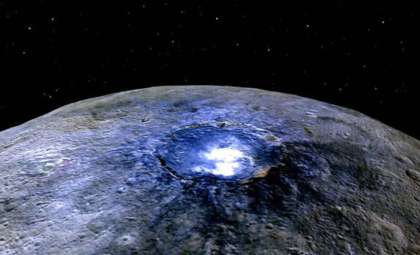
Sweetman’s research has attracted NASA’s interest as they consider how dark oxygen generation might influence the search for life beyond Earth. Icy moons such as Saturn’s Enceladus and Jupiter’s Europa, both harboring subsurface oceans shielded from sunlight, are promising candidates. If dark oxygen production naturally occurs there, it might shed light on possible life-supporting conditions in these alien ocean worlds, revolutionizing astrobiology.
Environmental Risks Posed by Deep-Sea Mining
While the discovery of dark oxygen has profound scientific importance, it also underscores environmental challenges. The CCZ, where this oxygen phenomenon was documented, is a hotspot for deep-sea mining targeting valuable metals like cobalt, nickel, and manganese—essential to renewable energy technologies such as electric vehicles and solar panels. Critics warn that such mining could disrupt fragile microbial ecosystems responsible for producing dark oxygen, threatening the integrity of deep-sea habitats vital for sustaining life.
An Exciting New Era in Science and Exploration
As investigations into dark oxygen progress, the field of marine biology and astrobiology stands at an exhilarating crossroads. Although much remains to be uncovered about oxygen production in these hidden oceanic realms, the insights gained could dramatically alter our approach to understanding life’s adaptability both on Earth and throughout the cosmos.
- Categories:
- Science










0 comments
Sign in to Comment