
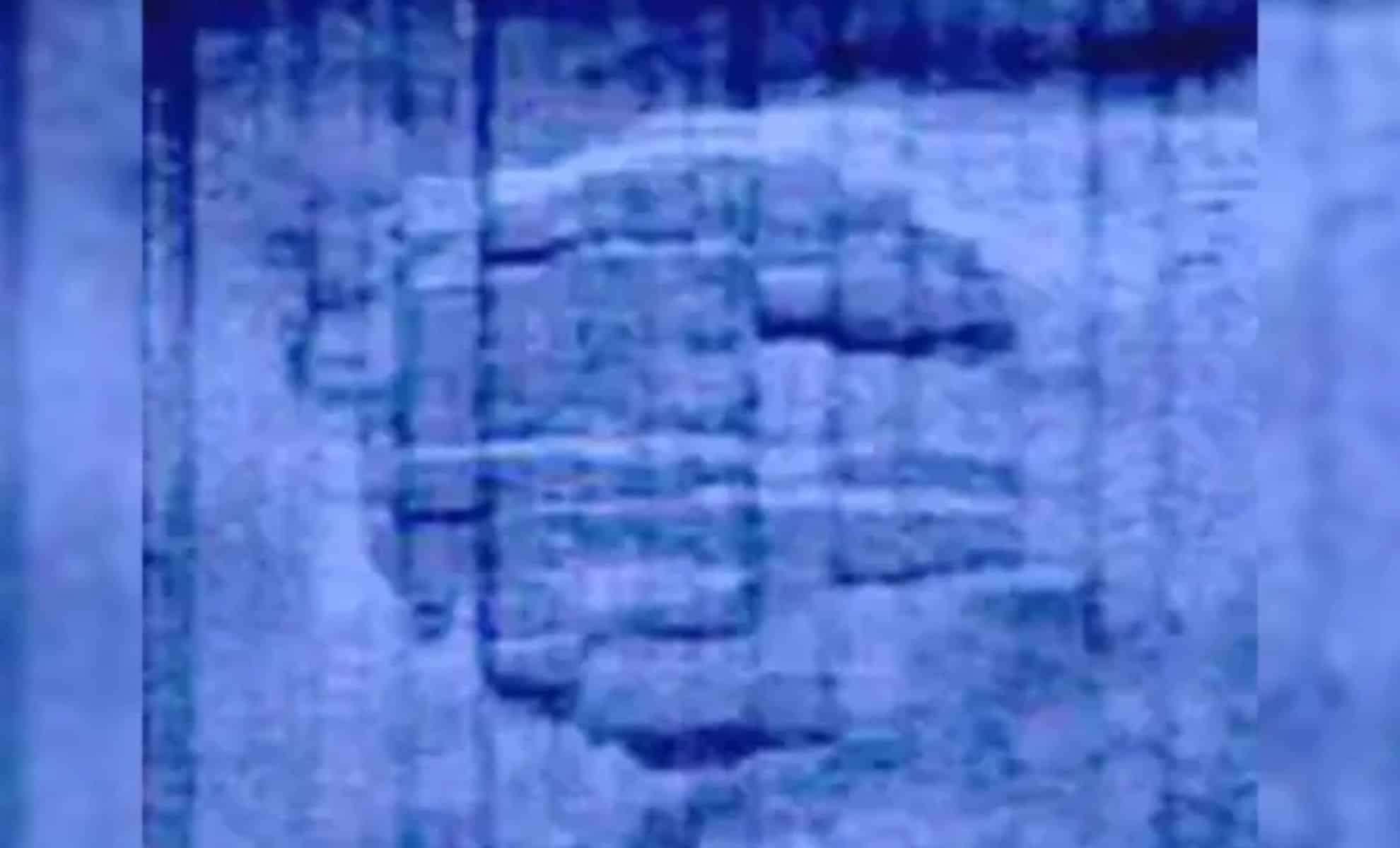
In 2011, Swedish treasure hunters Peter Lindberg and Denis Asberg made a remarkable underwater find nearly 300 feet beneath the Baltic Sea. Their discovery was a circular formation measuring roughly 200 feet across that immediately captured widespread attention due to its unusual appearance.
A Bizarre Underwater Structure
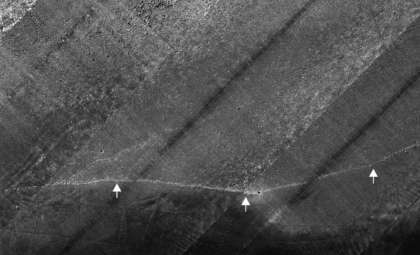
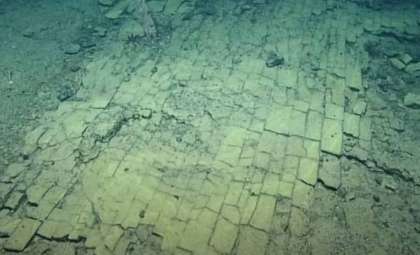
Discovery Channel reports that this object, dubbed the Baltic Sea Anomaly, was originally detected through sonar imaging. Its peculiar shape and defined features, including sharp edges and staircase-like contours, intrigued experts and the public alike. The presence of a dark cavity and a second mysterious feature lying about 660 feet away from the site further intensified speculation.
Reflecting on their unexpected find, Denis Asberg shared, “We were really shocked and confused. We kept wondering, ‘What exactly have we discovered here?’ It definitely wasn’t a shipwreck.” As they consulted with specialists, the mystery only deepened, as no expert could readily identify the structure.

Theories Abound
Once the story broke, imagination ran wild with numerous theories. Some suggested the formation could be remains of an ancient lost civilization, while others speculated it might be the wreckage of an extraterrestrial spacecraft. Additional ideas proposed it as a secret Nazi-era weapon or even disguised entrance to a World War II bunker.
Co-discoverer Lindberg entertained some extraordinary possibilities in a 2012 interview, proposing that if the object was indeed Atlantis, it would be an incredible revelation. He also speculated the structure might date back tens of thousands of years, predating the last Ice Age that peaked approximately 20,000 years ago.
Despite these theories, Lindberg acknowledged it could simply be a natural phenomenon, such as a meteorite impact or possibly an undersea volcanic formation.
Scientific Insights Point to Natural Origins
Subsequent analyses by specialists in geology, marine biology, and planetary geomorphology re-examined the original sonar scans and conducted further field studies. The consensus among researchers leaned strongly toward a natural explanation rather than an artificial construct.
Material samples retrieved from the site showed compositions including granite, gneiss, and sandstone. Stockholm University geologist Volker Brüchert indicated these elements are commonly part of glacial deposits left behind during the Ice Age.
The leading theory is that the anomaly is a glacial remnant, formed by moraines—accumulations of sediment and rocks pushed and deposited by ancient glaciers.
Marine archaeologist Göran Ekberg acknowledged the formation’s precisely round shape might be unusual but said it does not defy natural forces. He commented, “Nature creates stranger formations than this.”
A Mystery That Endures
Although overwhelming evidence supports a natural genesis, the Baltic Sea Anomaly continues to captivate curiosity. Lindberg, while skeptical of some earlier hypotheses, still describes the object’s shape as “very peculiar,” ensuring it remains an intriguing subject for ongoing research. Its distinctive characteristics keep the debate alive, inviting further exploration beneath the waves.
- Categories:
- News









0 comments
Sign in to Comment