
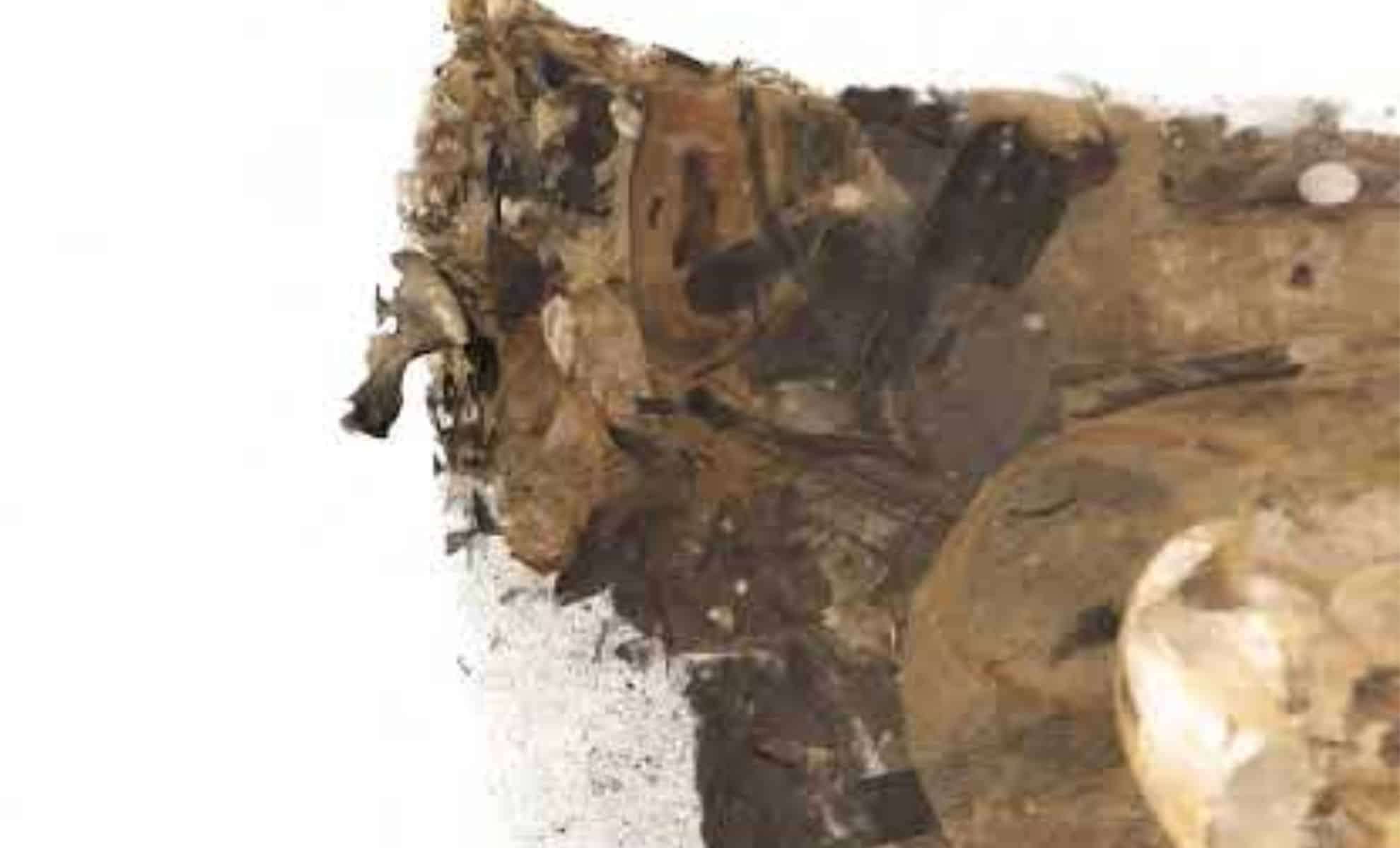
In a remarkable paleontological breakthrough, researchers have uncovered 40 previously unidentified species of ancient squid preserved within rock formations dating back 100 million years. By applying a novel fossil examination method, scientists from Japan and Germany have unveiled a rich collection of cephalopod beaks from the Cretaceous era. This pioneering research, featured in Science, redefines our understanding of squids' ecological significance in prehistoric oceans.
Unveiling a Hidden Trove of Ancient Squid
A rock sample, originating from a site dated 100 million years ago, yielded this extraordinary fossil cache. Embedded within were numerous cephalopod beaks — the durable, chitinous structures that once belonged to squid-like creatures. Employing a technique known as grinding tomography, scientists meticulously abraded thin layers of rock, exposing the fossils in stunning detail.
Diverse Squid Populations of the Cretaceous Seas
Out of more than 1,000 cephalopod beaks examined, an impressive 263 were attributed to squid, marking one of the most substantial collections of its kind. Notably, researchers recognized 40 entirely new squid species, offering significant insights into the rich biodiversity of marine life during the Cretaceous period. These squids varied greatly in size, with some matching or even exceeding the dimensions of contemporary ammonites and fish.

Squids as Key Marine Predators Long Before Dinosaur Extinction
Conventional wisdom held that squids rose to prominence only after the mass extinction that eradicated the dinosaurs. However, this fresh evidence suggests that squid had already established themselves as major players in Cretaceous ocean ecosystems. These ancient cephalopods likely represented the fastest, smartest, and most formidable swimmers of their era, occupying niches similar to those filled by modern squid and related species.
Cephalopod Beaks: The Window into Soft-Bodied Creatures
Unlike bones or shells, the soft anatomy of squids rarely survives fossilization. Their sturdy beaks, composed of chitin, are among the few parts resilient enough to be fossilized. Before this discovery, only a single squid beak specimen had been found, making the abundance in this 100-million-year-old rock an unprecedented source of information on cephalopod evolution.
Grinding Tomography: A Breakthrough in Fossil Research
Grinding tomography has been instrumental in this research achievement. While traditional fossil analysis entails slicing specimens thinly—potentially harming fragile fossils—this innovative method incrementally grinds away rock to produce fine 3D images without causing damage. It is especially effective for revealing tiny, delicate fossils like squid beaks that might otherwise remain hidden.
- Categories:
- News










0 comments
Sign in to Comment