
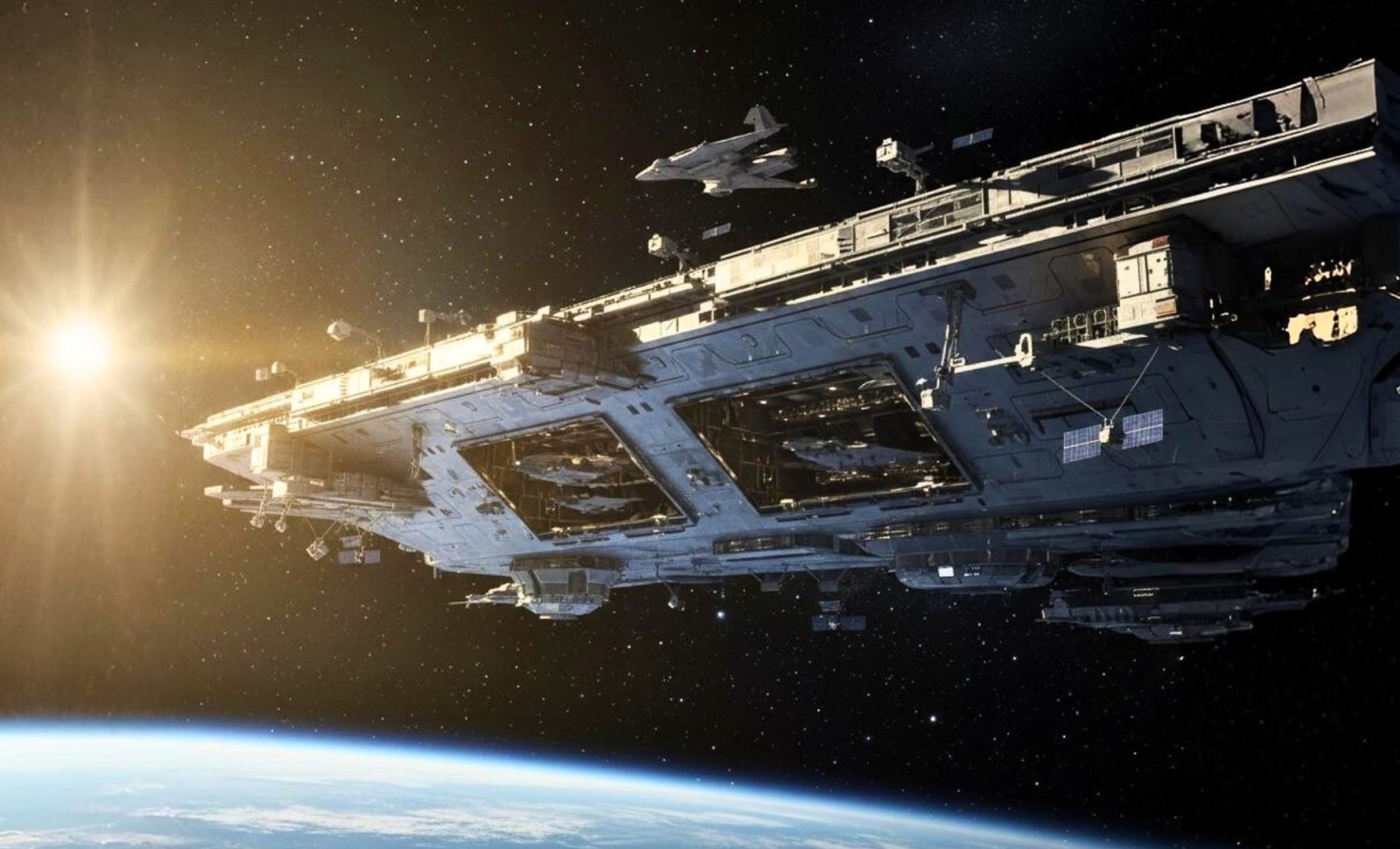
The U.S. Space Force has allocated up to $60 million to create an innovative orbital carrier, a spacecraft functioning as a spaceborne launch platform able to deploy satellites or defense systems independently from terrestrial launch sites. This initiative, led by the Seattle aerospace company Gravitics, marks a major stride toward establishing versatile, tactical assets in orbit.
Developed under the Space Force's SpaceWERX branch through the Strategic Funding Increase (STRATFI) initiative, Gravitics describes the craft as “a launch pad already positioned in orbit” which empowers U.S. operators to “choose deployment orbits instantly.”
Built for agile, swift payload deployment, the orbital carrier aims to respond within orbit to threats without dependence on lengthy Earth-based launch preparation. This capability gains importance amidst rising concerns over anti-satellite armaments as countries like China and Russia escalate tests of orbital interference devices.

Launching in Space Without Earth-Based Rockets
Per Gravitics’ announcement, development will be driven by governmental funds, Small Business Innovation Research (SBIR) grants, and private investment. This spacecraft will house various maneuverable units able to execute tasks such as satellite repair, orbital monitoring, and blocking hostile sensors.
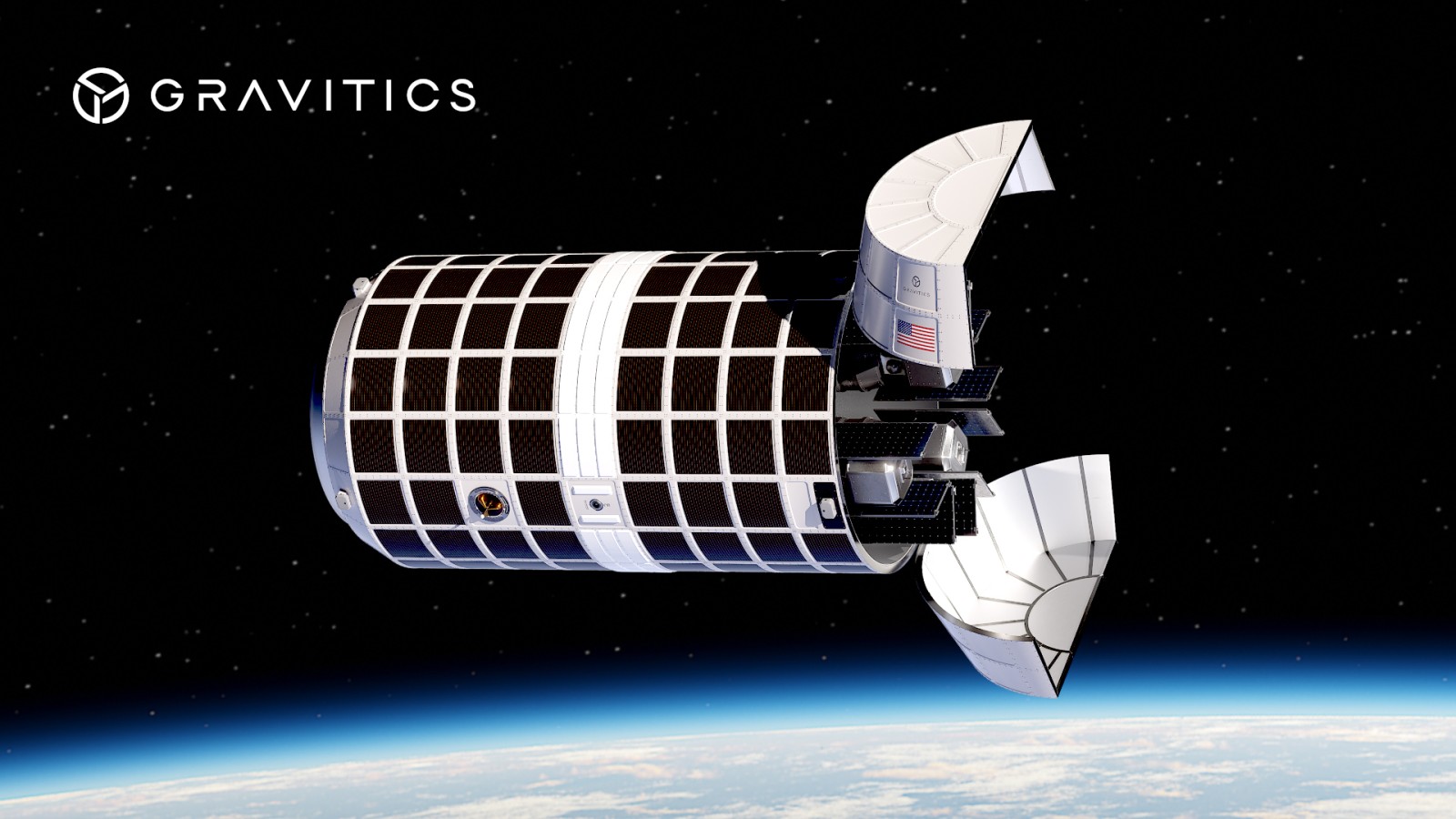
Colin Doughan, CEO of Gravitics, highlighted the carrier as a “” for Space Force missions, emphasizing its ability to overcome conventional launch delays and deliver unmatched operational flexibility.
The U.S. recently demonstrated rapid launch capabilities when the Space Force’s Victox Nox mission utilized Firefly Aerospace to launch a payload just 27 hours post-order, setting a new benchmark. The orbital carrier concept could surpass this by eliminating Earth-bound launch constraints entirely.
Real-Time Satellite Defense
Space Force representatives have sounded alarms over adversary advancements in non-kinetic space warfare methods including laser dazzlers, cyber offensives, and radiofrequency disruption. A 2022 analysis from the National Air and Space Intelligence Center (NASIC) reveals that China and Russia are heavily investing in “space-based weaponry and jamming systems” aimed at incapacitating U.S. satellite assets.
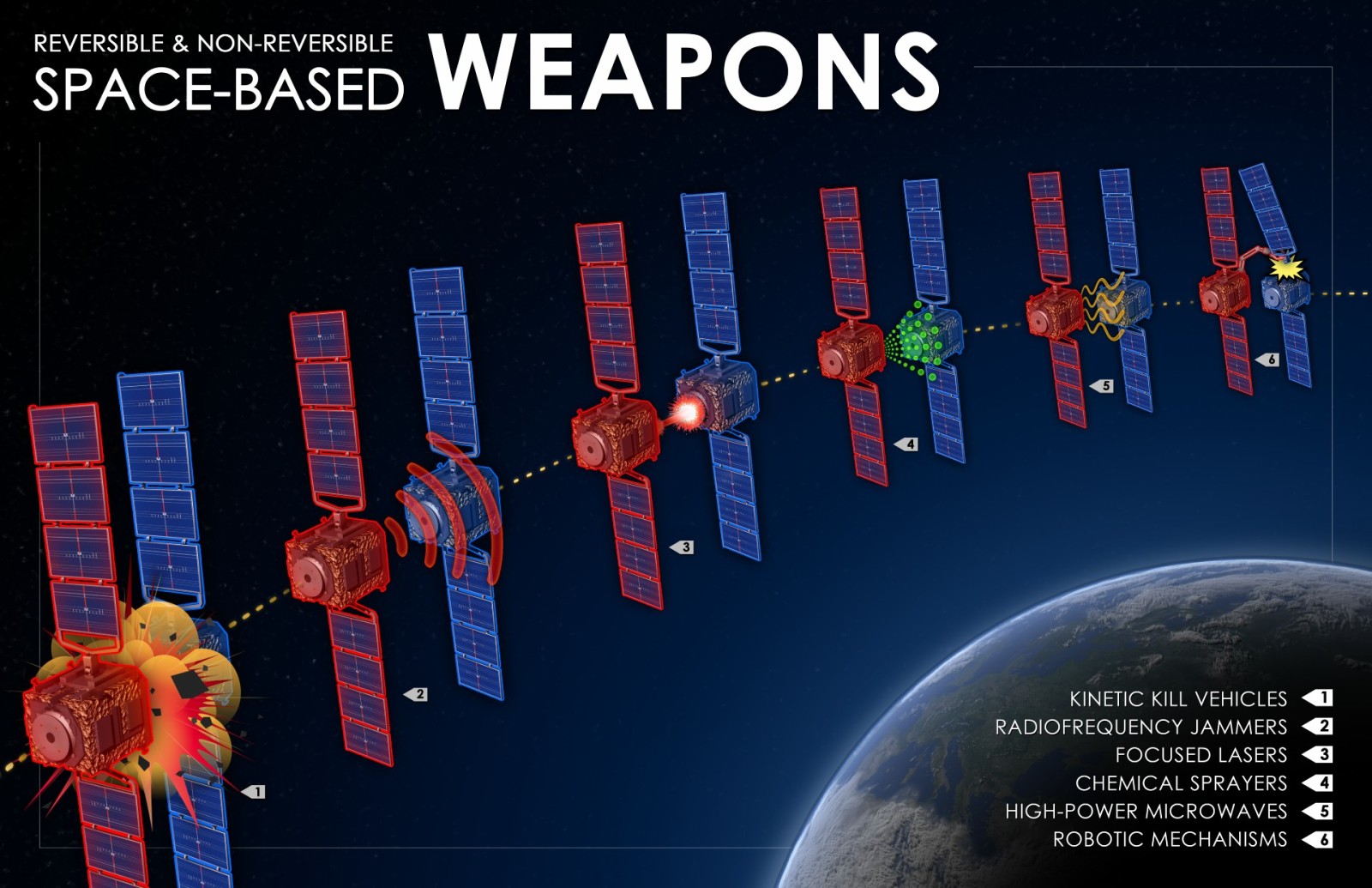
Covered by Space.com, the orbital carrier is designed to counteract such threats by allowing near-instant replacement of compromised reconnaissance satellites with backup payloads stored onboard. Additionally, it could deploy protective measures to shield against interference or restore disrupted capabilities while in orbit.
This strategy aligns with the Space Force’s evolving doctrine focused on resilience in space, prioritizing redundancy, rapid repositioning, and operational presence in orbit, sidestepping delays tied to Earth-based logistics.
Enormous Potential and Significant Hazards
While offering increased operational capabilities, the orbital carrier also entails critical vulnerabilities. As discussed in a USAMM in-depth report, the carrier represents a highly valuable, singular target whose loss would be a major blow strategically and symbolically.
Building such a massive structure in orbit is another hurdle. Since existing rockets cannot launch it intact, the carrier must be constructed modularly in space, requiring advanced autonomous robotic assembly, a technology still in its infancy. The required launches could match the complexity of assembling the International Space Station, which took over 30 missions and cost roughly $150 billion to complete and maintain.
Propulsion is equally challenging. Traditional chemical thrusters lack efficiency for such a platform. Alternatives like nuclear thermal propulsion (NTP) and ion drive technology have been proposed for prolonged orbital maneuvering, but these systems are not yet available at the necessary scale.
Moreover, strategic concerns arise about centralization. Modern military approaches favor distributed, modular systems that boost redundancy and reduce vulnerability. USAMM cautions that the orbital carrier risks becoming a vulnerable “spaceborne flagship” akin to the fictional Battlestar Galactica—immensely powerful, yet a potential single point of failure.
A Turning Point in Space Defense Strategy
This orbital carrier concept signals a shift in how the U.S. plans to defend its extraterrestrial interests. If successful, it could inaugurate a new era of space permanence where orbiting platforms continuously project strength, ensure system resilience, and operate independently of terrestrial launch timing.
Nonetheless, crucial questions remain: Will an orbital launchpad foster space stability or spark accelerated arms races? Can it be sufficiently safeguarded from cyber, kinetic, and electronic threats? And is investing in a centralized mega-platform prudent amid the rise of affordable satellite swarms?
With adversaries rapidly enhancing orbital technologies and space debris increasingly endangering operations, the fate of such ambitious platforms may depend more on geopolitical strategy, timing, and diplomacy than solely on technical breakthroughs.
- Categories:
- News









0 comments
Sign in to Comment