
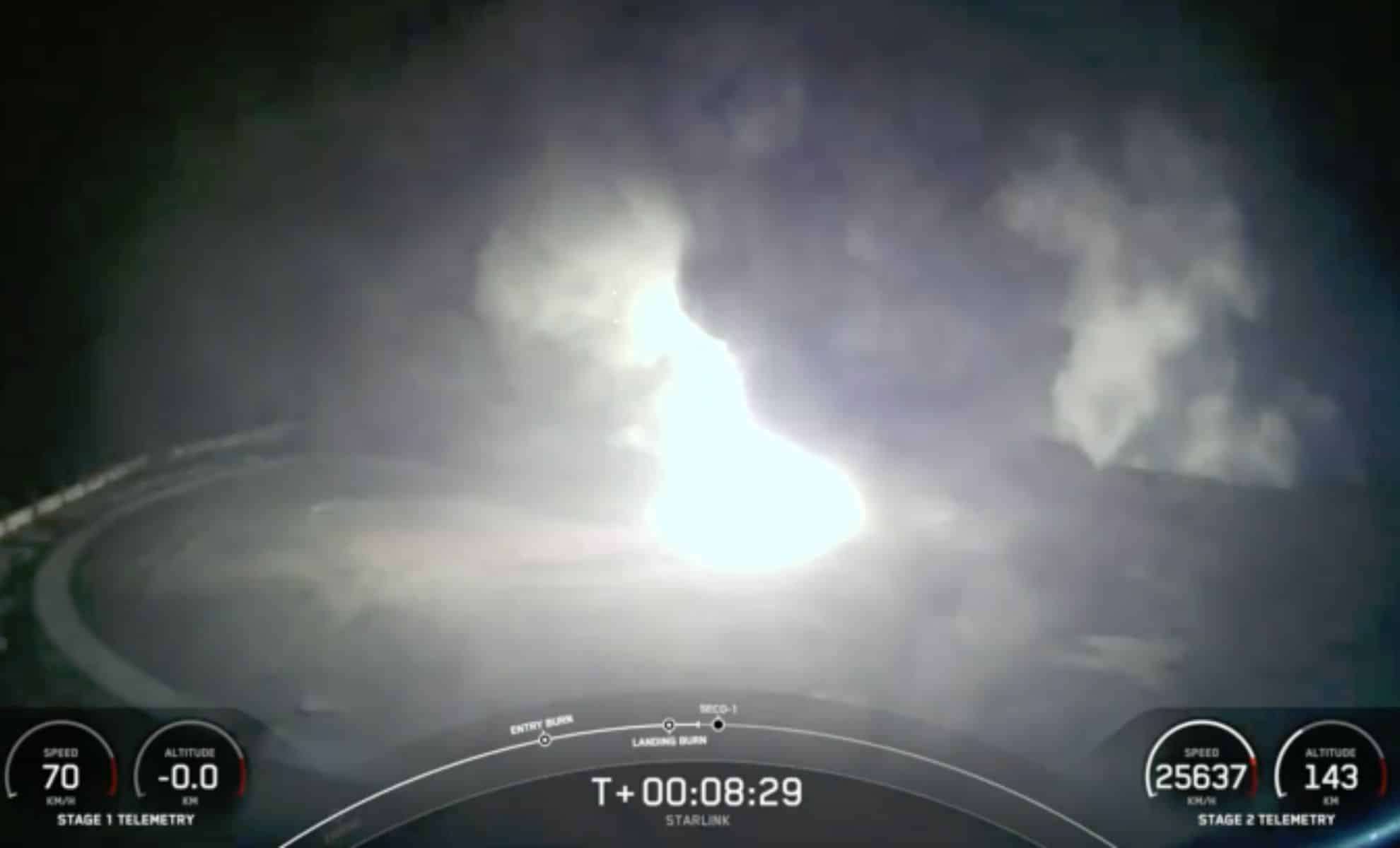
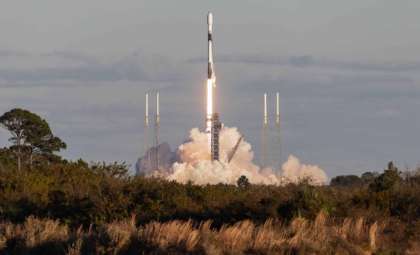
On August 28, 2024, a Falcon 9 booster by SpaceX experienced a rare landing failure shortly after launching 21 Starlink satellites into orbit.
The rocket’s first stage, embarking on its 23rd flight, was unable to safely land on the droneship A Shortfall of Gravitas, ending a remarkable streak of 267 consecutive successful recoveries dating back to early 2021.
Landing Attempt Disruption
While the Falcon 9 rocket effectively placed 21 Starlink satellites—13 with advanced cellular communication features—into designated orbits, the booster ran into trouble during its return to the droneship out in the Atlantic Ocean, located several hundred miles northeast of Cape Canaveral. Video and data show the descent went as expected until the final seconds, when flames were visible near the booster’s base. As it touched down, one of the landing legs gave way, causing the rocket to tip over and drop into the sea.

SpaceX acknowledged the event through a post on their social media handle X (previously Twitter), stating, “After a successful ascent, Falcon 9’s first stage booster tipped over following touchdown on the A Shortfall of Gravitas droneship. Teams are assessing the booster’s flight data and status.”
After a successful ascent, Falcon 9’s first stage booster tipped over following touchdown on the A Shortfall of Gravitas droneship. Teams are assessing the booster’s flight data and status. This was the booster’s 23rd launch.
— SpaceX (@SpaceX) August 28, 2024
This event is especially significant because it involved booster B1062, known for its record-setting 23 launches and recoveries. SpaceX has aimed to certify Falcon 9 first stages for up to 40 flights, so this incident represents a notable obstacle in achieving longevity with their reusable rockets.
Consequences for Upcoming Missions
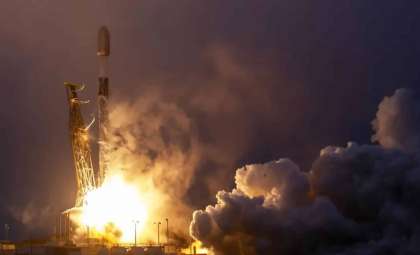
In light of the landing setback, SpaceX postponed a subsequent Starlink launch planned from California just hours after the Florida launch. This delay was intended to give engineers sufficient time to analyze telemetry and video data related to the failed booster landing. “Standing down from our second Starlink launch of the night to give the team time to review booster landing data from the previous launch,” the company announced on X.
Earlier challenges to SpaceX’s operations include a temporary FAA suspension of the Falcon 9 following a second-stage explosion during a different mission in July 2024. Prior to today’s launch, the company had also delayed the high-profile Polaris Dawn mission, planned to fly four astronauts through the Van Allen belts and execute the first private spacewalk, citing unfavorable weather.
Implications for Reusability Program
The unsuccessful booster landing interrupts SpaceX’s otherwise exceptional record in reusable rocket technology. By reusing rocket stages, SpaceX has transformed access to space through major cost reductions and frequent launch opportunities, notably for expanding its Starlink satellite network.
The loss of booster B1062 highlights the technical challenges in pushing rocket reusability limits. Nonetheless, each incident supplies key insights that are expected to drive advancements in future booster engineering and landing methodology.
SpaceX plans to harness lessons learned from this failure to boost mission reliability. The company remains dedicated to their reusable rocket ambitions, which are foundational to larger efforts such as the Starship program and eventual crewed missions to Mars.
As investigations proceed, SpaceX is expected to provide updates about the failure’s cause and corrective actions. Meanwhile, the successful deployment of Starlink satellites maintains their vision of expanding global broadband access, despite the temporary disruption in booster recovery success.
- Categories:
- Astronomy ,
- News ,
- Space






0 comments
Sign in to Comment