
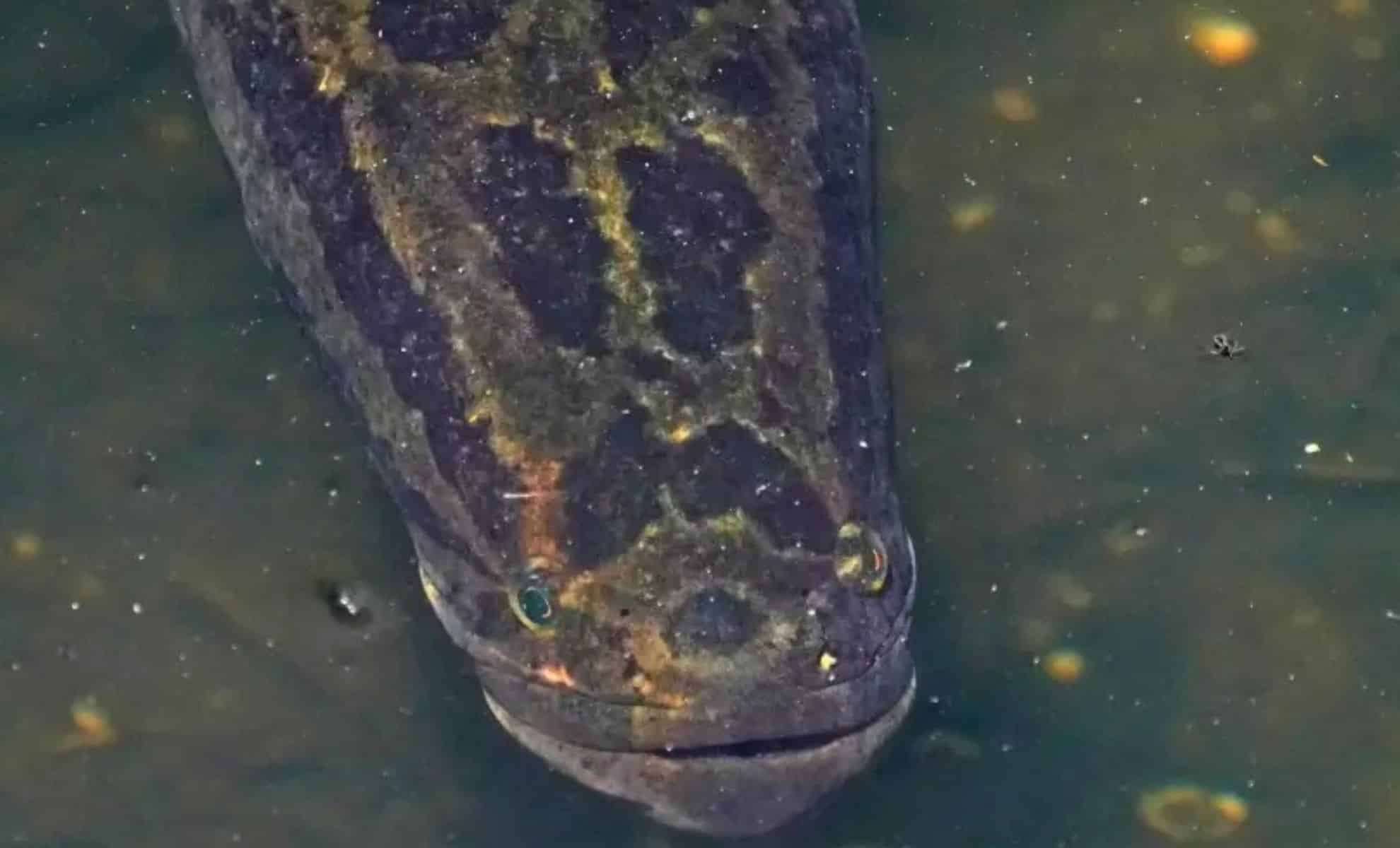
A highly invasive freshwater fish originating from Asia is rapidly spreading through US waterways, prompting authorities to issue a strict directive: eliminate it immediately upon capture. The northern snakehead fish, recognized for its snake-like appearance and extraordinary resilience, is under close watch in states including Missouri, Maryland, and Virginia.
An Air-Breathing Fish with Formidable Survival Skills Threatening Local Habitats
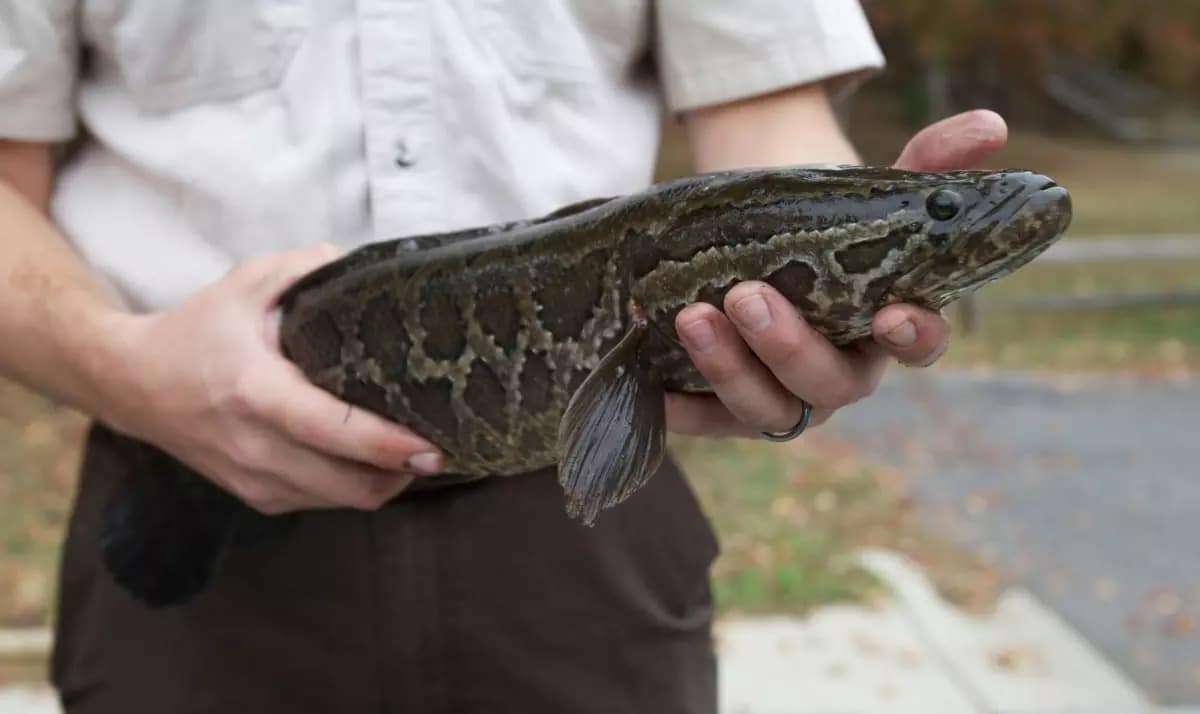
The northern snakehead (Channa argus) epitomizes the invasive species menacing American freshwater ecosystems. Native to Asia, this elongated, predatory fish’s distinctive head resembles that of a snake, adding to its menacing profile. Its physical traits are just the start of what makes it a major ecological threat.
Unlike typical fish, it can breathe atmospheric air and survive on land for up to several days, according to the Missouri Department of Conservation (MDC). This ability enables it to traverse land between water bodies, facilitating its rapid spread across various river systems.

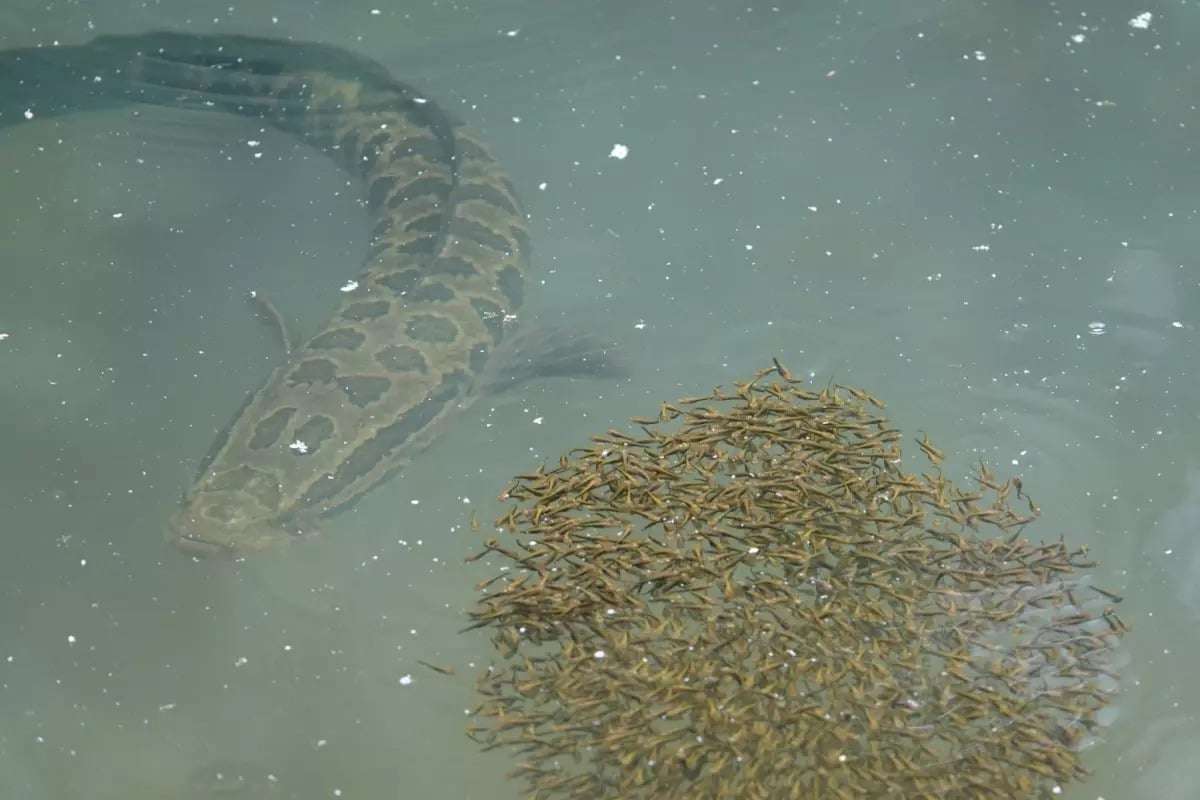
Its prowess as a predator extends beyond fish and amphibians to include reptiles and insects, allowing it to outcompete native wildlife for essential resources. The U.S. Fish and Wildlife Service (FWS) highlights how the snakehead’s rapid and frequent breeding cycles provide it with a significant advantage over indigenous species, heightening the risk of disrupting entire ecosystems.
“All these traits rolled into a single fish suggested that the northern snakehead might be the perfect invasive species that, left uncontrolled, would unleash untold havoc on inland fisheries throughout the region,” said the FWS.
Tracking Its Journey From a Maryland Pond to Broader US Waters
The northern snakehead was initially detected in the US in 2002 in a pond at Crofton, Maryland. Biologists soon confirmed it was reproducing prolifically. Since then, sightings have been reported in states including Pennsylvania, New York, and Virginia.
Missouri recorded its first observation of the species in 2019. Currently, the MDC urges fishermen and locals living near aquatic habitats to be vigilant. The department has prohibited importing, owning, or releasing snakeheads, alongside launching a dedicated Snakehead Fish Reporting initiative to monitor occurrences.
Measures to Contain This Formidable Predator
To curb its expansion, the MDC has laid out specific instructions. Anglers who catch a snakehead must absolutely avoid releasing it. Instead, they should dispatch the fish promptly using one of three acceptable methods: decapitating it, removing its internal organs, or sealing it tightly in a plastic bag.
Fishermen are also encouraged to take a photograph of their catch and report the exact location to MDC authorities. These steps aim to prevent the species from colonizing new water systems, especially given its ability to survive terrestrial travel.
This urgent approach stems from widespread alarm. Nicknamed the “frankenfish” in some areas, the northern snakehead continues to extend its range, challenging native species and driving officials to act swiftly to avoid lasting damage to regional aquatic ecosystems.
- Categories:
- News










0 comments
Sign in to Comment