
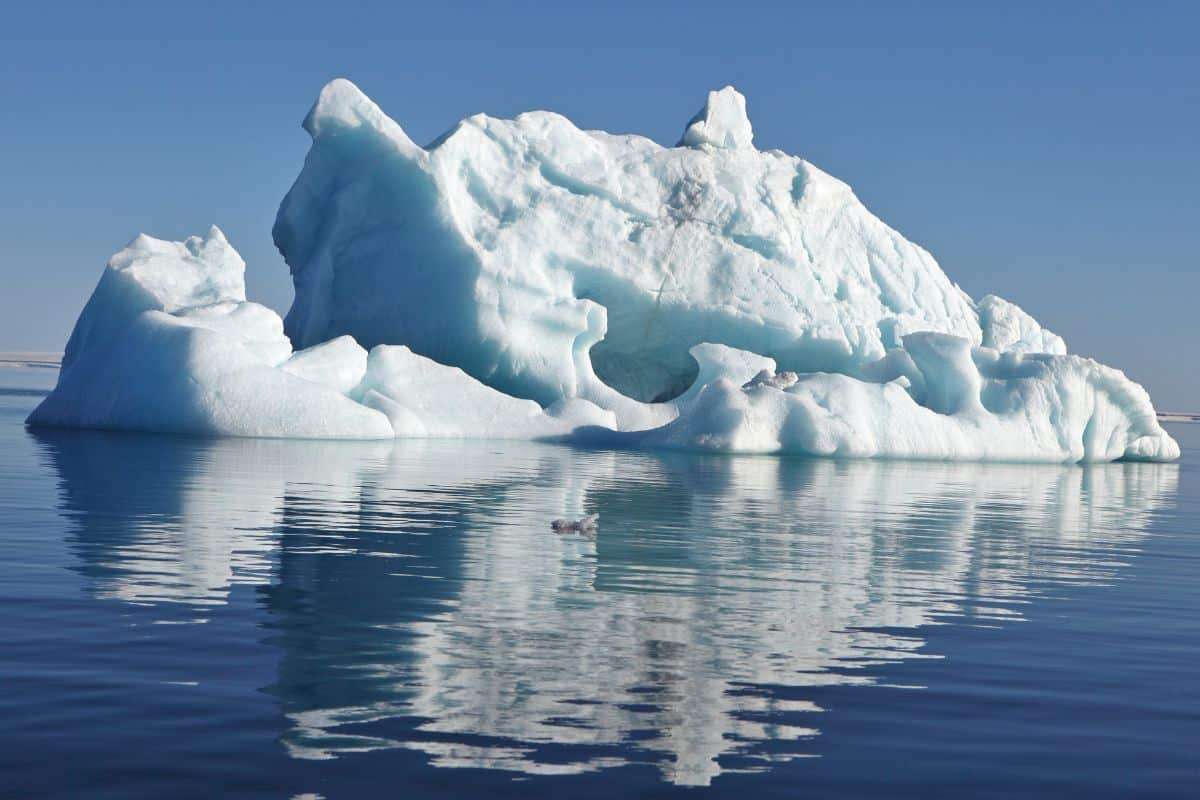
An enormous iceberg, among the largest observed, is drifting perilously close to the secluded island of South Georgia, stirring concerns about the survival of its vulnerable wildlife. The colossal A23a iceberg, originating from Antarctica many years ago, is progressing northward, risking disruption to penguin colonies, seals, and seabird populations.
A Colossal Ice Giant on a Hazardous Course
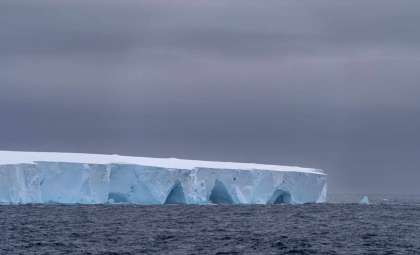
The A23a iceberg is truly immense. Starting at approximately 3,900 square kilometers—comparable to the size of Cornwall in England—it has diminished somewhat as it enters warmer seas, now measuring close to 3,500 square kilometers. Rising about 400 meters above sea level, it towers higher than London’s iconic Shard building.
Having detached from the Filchner Ice Shelf in Antarctica back in 1986, A23a was trapped beneath ocean currents for many years. In December 2023, it broke free and began advancing toward South Georgia, a British overseas territory and vital habitat for diverse wildlife.

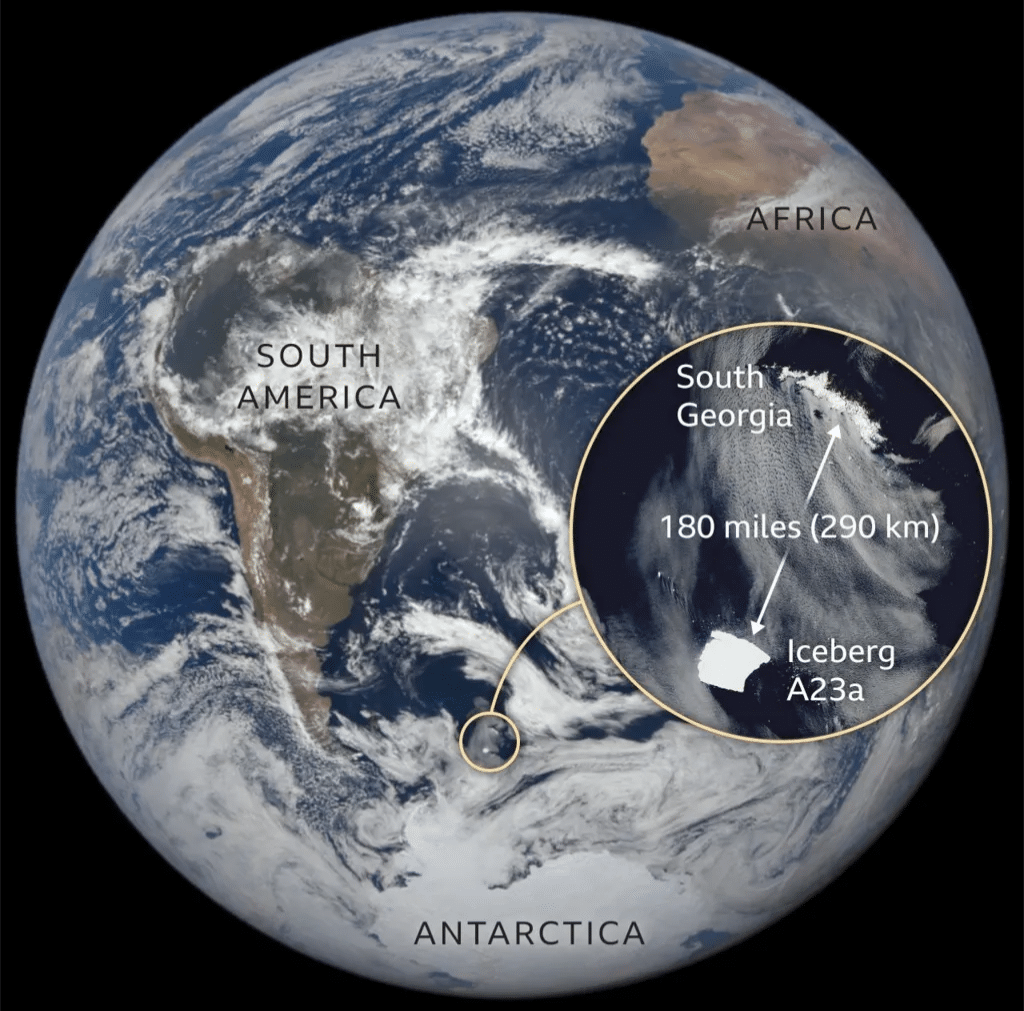
Satellite monitoring reveals the iceberg steadily approaching, presently around 280 kilometers away. Experts, sailors, and ecologists are closely tracking its progress, as a collision with the island or nearby seabed could severely impact the region’s delicate marine ecosystem.
Past Iceberg Strikes Have Devastated Wildlife
South Georgia has endured similar threats previously. When the A38 iceberg collided with the island in 2004, it obstructed critical feeding routes, leading to widespread starvation among penguin and seal populations. Many young birds and seals died as adults were unable to reach their nourishment sources.
There is worry that A23a might trigger another ecological crisis. The island hosts millions of King penguins, elephant seals, and fur seals which rely on unobstructed access to fish and squid. Should the iceberg block their hunting pathways, survival could become increasingly difficult.
Mark Belchier, a marine scientist advising South Georgia’s administration, highlights that the island lies within an area known as "iceberg alley," making iceberg encounters unavoidable. Nonetheless, he notes that both fisheries and native wildlife have adapted to similar past challenges.
The Iceberg’s Gradual Fragmentation
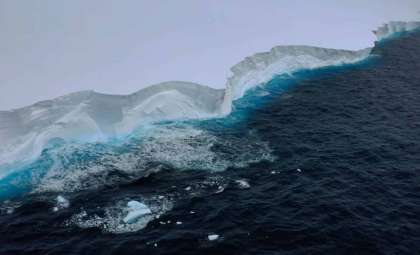
Currently, A23a remains a single, massive ice structure, yet it is slowly breaking down. Rising temperatures are causing its edges to melt and fracture, sending large ice blocks into the ocean.
Captain Simon Wallace, who pilots a South Georgia governmental vessel, emphasizes the iceberg’s volatility: “Icebergs pose inherent risks. I’d be very relieved if it simply missed us entirely.”
Historical records suggest that the iceberg is unlikely to disappear quickly. In 2023, the A76 iceberg drifted close to South Georgia and, despite disintegrating, left gigantic ice fragments—some as large as stadiums—surrounding the island, complicating maritime travel.
Fisherman Andrew Newman described maneuvering through these floating ice remnants: “They ranged from pieces as big as Wembley stadiums to ones the size of a desk.”
Similarly, as A23a breaks into vast slabs, these ice fragments could remain afloat for several years, resembling spectral white islets in the frigid ocean.
A Valuable Scientific Resource Encased in Ice
Despite the risks, A23a presents scientists with a rare window into Antarctic conditions.
A team from the British Antarctic Survey, aboard the Sir David Attenborough research ship, approached the iceberg in 2023. Researcher Laura Taylor took water samples from its towering 400-meter-high ice walls, uncovering frozen nutrients, microorganisms, and carbon-rich particles.
“This isn’t ordinary water,” Taylor explains. “It contains vital nutrients, chemicals, and microscopic life like phytoplankton trapped within.” Melting of A23a could shift ocean chemistry, enhancing carbon dioxide absorption in deep waters and potentially aiding climate change mitigation.
An Uncertain Destiny Awaits A23a
The iceberg's future remains unpredictable, as such ice masses are notoriously hard to forecast.
If A23a becomes lodged near South Georgia, it might remain stationary for years, disrupting local ecosystems. Conversely, breaking apart sooner could prolong hazards for marine vessels and the island’s fauna.
This immense iceberg symbolizes the ongoing transformations of Earth’s polar regions linked to climate warming and melting ice shelves in Antarctica, likely leading to the emergence of more giant icebergs.
For now, the scientific community and maritime navigators remain vigilant, hoping this giant iceberg will either drift past harmlessly or otherwise brace for potential ecological consequences.
- Categories:
- News











0 comments
Sign in to Comment