
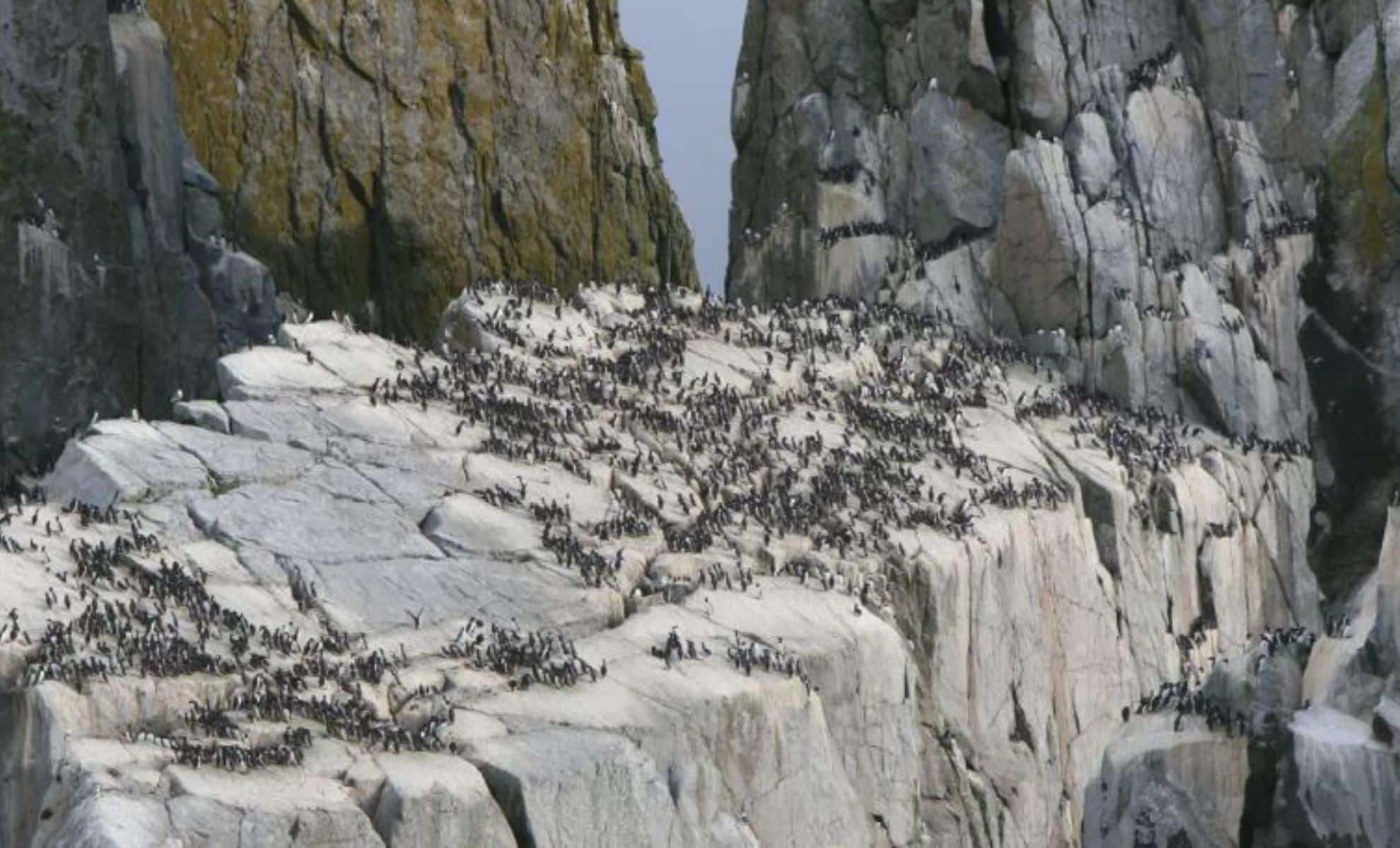
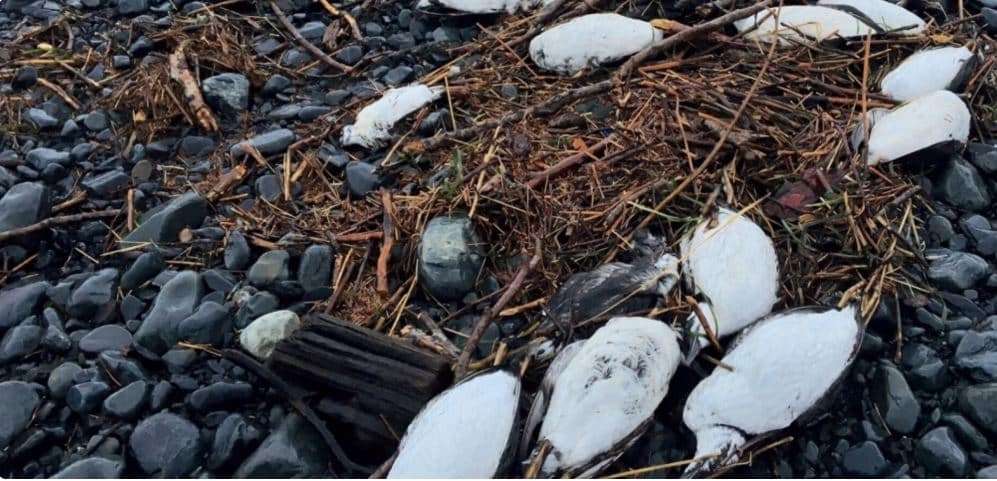
An unprecedented marine heat wave spanning 2014 to 2016 triggered the largest recorded mortality event for a single seabird species. Known as the Northeast Pacific heat wave or “the Blob,” ocean temperatures surged by as much as 3°C (5.4°F), severely affecting marine ecosystems from California to the Gulf of Alaska. The common murre (Uria aalge), a key predator within northern ocean environments, suffered devastating losses amounting to approximately 4 million birds—around half of the region’s population.
These striking black-and-white seabirds, once representing a quarter of the global murre count, experienced extreme food shortages due to the collapse of their main prey, Pacific cod, which declined by 80% during this period. This disruption led to widespread ecological consequences impacting various marine animals. Nearly ten years later, murre numbers remain critically low, prompting concerns about marine ecosystem durability in the face of climate change.
Impact of the Historic Heat Wave
The 2014–2016 marine heat wave set a new precedent as the largest and longest recorded, placing tremendous stress on Alaska’s ocean life. Common murres were disproportionately affected due to their reliance on stable food sources and specific breeding habitats. Population surveys across 13 colonies in the Gulf of Alaska and the Bering Sea revealed declines between 52% and 78%. By 2022, recovery remained minimal according to ongoing research.

Wildlife biologist Dr. Brie Drummond highlighted the significance of extensive, long-term ecological data in revealing the scale of this crisis.
“The only reason we had this data and were able to detect this (event) was that we had these long-term data sets and long-term monitoring,” said Drummond. “(Monitoring) is the only way we’ll be able to continue to look at what happens in the future.”
Without such comprehensive observation efforts, this vast decline may have gone unnoticed, hindering timely understanding of how climate change is transforming marine life.
Wider Ecological Consequences
The massive decline in murres reflects a broader pattern of instability within marine habitats. Alaska’s once vibrant seas, rich with fish and seabird populations, now experience increasing environmental pressures. In addition to murres, tufted puffins, king salmon, and whales confront mounting difficulties adapting to rising ocean temperatures. Some species have shifted their ranges northward seeking cooler waters, though these movements often introduce further stresses.
Drummond offered a vivid analogy to convey the severity of the murres’ drop.
“There are about 8 million people in New York City, so it would be like losing half of the population … in a single winter.”
This comparison underscores the swift and profound ecological transformations underway in this region.
Main Barriers to Murre Recovery
Researchers have pinpointed key challenges impeding murre population rebound:
- Slow reproductive pace: Murres have relatively low reproductive rates, limiting population growth speed.
- Strong colony site fidelity: These birds are closely tied to their nesting locations, reducing adaptability to new breeding areas.
- Increased competition for resources: Altered food webs due to warming waters intensify struggles for prey availability.
Species Responses to Marine Warming
While murres endured catastrophic losses, not all marine species reacted negatively to the heat wave. Research found that:
- Half of studied species, including some phytoplankton and top predators, showed neutral responses to elevated temperatures.
- About 20% of species, especially apex predators, experienced population increases under the warming conditions.
Drummond remarked that these trends help clarify which species may better endure future ocean warming events.
“That gives us perspective on which species might more readily adapt to these kinds of warming water events in the future and which will not,” Drummond said.
Complex Threats Endangering Marine Life
The decline of murres extends beyond temperature rises alone. Wildlife ecologist Dr. Falk Huettmann emphasized multiple overlapping pressures intensifying risks for ocean organisms:
“From an ecological perspective … microplastics, ocean acidification, sea levels rising and chronic oil spills … are other massive mortality factors at play.”
These combined factors create a fragile ecosystem, accelerating environmental shifts and complicating species adaptation.
Population Decline Data for Murres in Alaska (2008–2022)
- Categories:
- News ,
- Climate change











0 comments
Sign in to Comment