

For many years, scientists and enthusiasts alike have pursued one of humanity’s most intriguing mysteries: does life exist elsewhere in the universe? The ongoing quest for extraterrestrial life has yielded remarkable insights, ranging from meteorites that harbor life's essential chemical ingredients to discovering water in distant parts of our solar neighborhood. Although UFO sightings have fueled public imagination about alien civilizations, rigorous scientific studies continue to uncover concrete clues suggesting life's fundamental components might be common throughout space.
Organic Molecules in Meteorites: Clues to Life’s Cosmic Roots
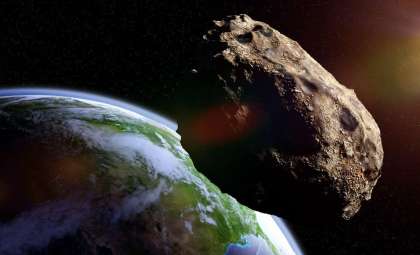
Meteorites, debris from asteroids or comets that land on Earth, serve as valuable windows into the early solar system and the chemical conditions potentially conducive to life. One standout example is the Murchison meteorite, which fell in Australia in 1969. This ancient stone, dating back more than 7 billion years, predates our solar system and contains a rich array of organic substances essential to life.
The International Journal of Astrobiology emphasizes the meteorite’s significance, revealing it harbors all five nucleobases vital to DNA and RNA formation—adenine, guanine, thymine, cytosine, and uracil. These molecules, crucial for genetic encoding, confirm that life's chemical components can originate beyond Earth. This finding challenges previous beliefs about terrestrial exclusivity, opening new horizons for where life might begin. The existence of such complex organics in the harsh environment of space hints that life's precursors could be widely distributed in the galaxy.

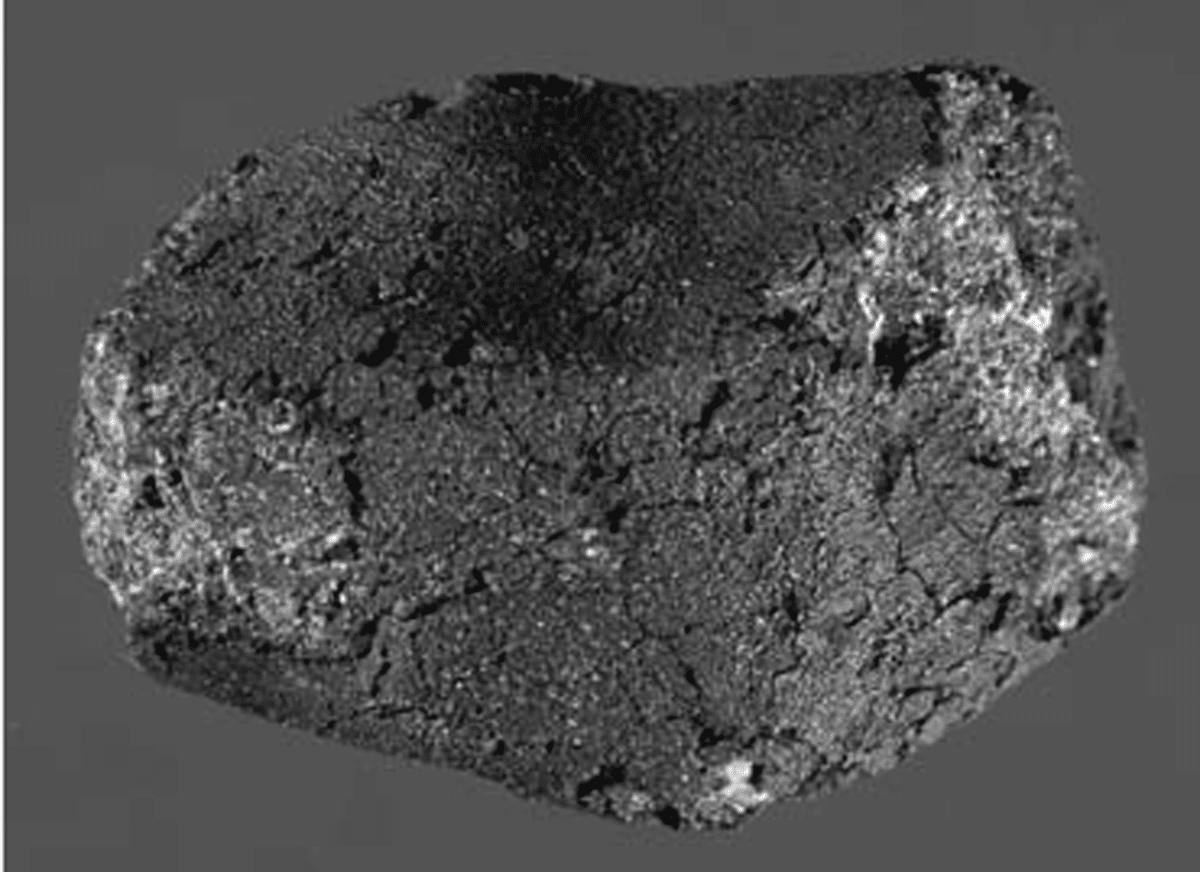
Furthermore, the study proposes that the presence of these nucleobases in meteorites may indicate that life's chemical foundation has been dispersed throughout our galaxy, potentially nourishing planets with life-fostering ingredients. This supports the panspermia hypothesis, suggesting that life's building blocks travel across space, implying life may not be exclusive to Earth.
Microstructures and Organic Evidence in the Orgueil Meteorite
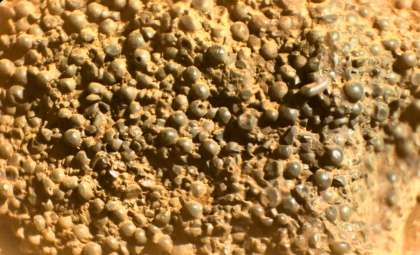
Also significant is the Orgueil meteorite, which exploded over France in 1864. This carbon-rich rock contains amino acids such as glycine and alanine, alongside intriguing structures resembling microscopic fossils. Once controversial and often thought to be either contamination or mineral byproducts, recent research increasingly supports their extraterrestrial origin.
Compellingly, these microstructures resemble magnetotactic bacteria, which on Earth orient themselves with planetary magnetic fields. The discovery of comparable forms within the Orgueil meteorite hints that microbial or life-like entities may have existed beyond Earth long before our planet’s formation. This discovery sparks vital questions about life’s scope in space and the possibility that alien microorganisms might exist elsewhere in our galaxy.
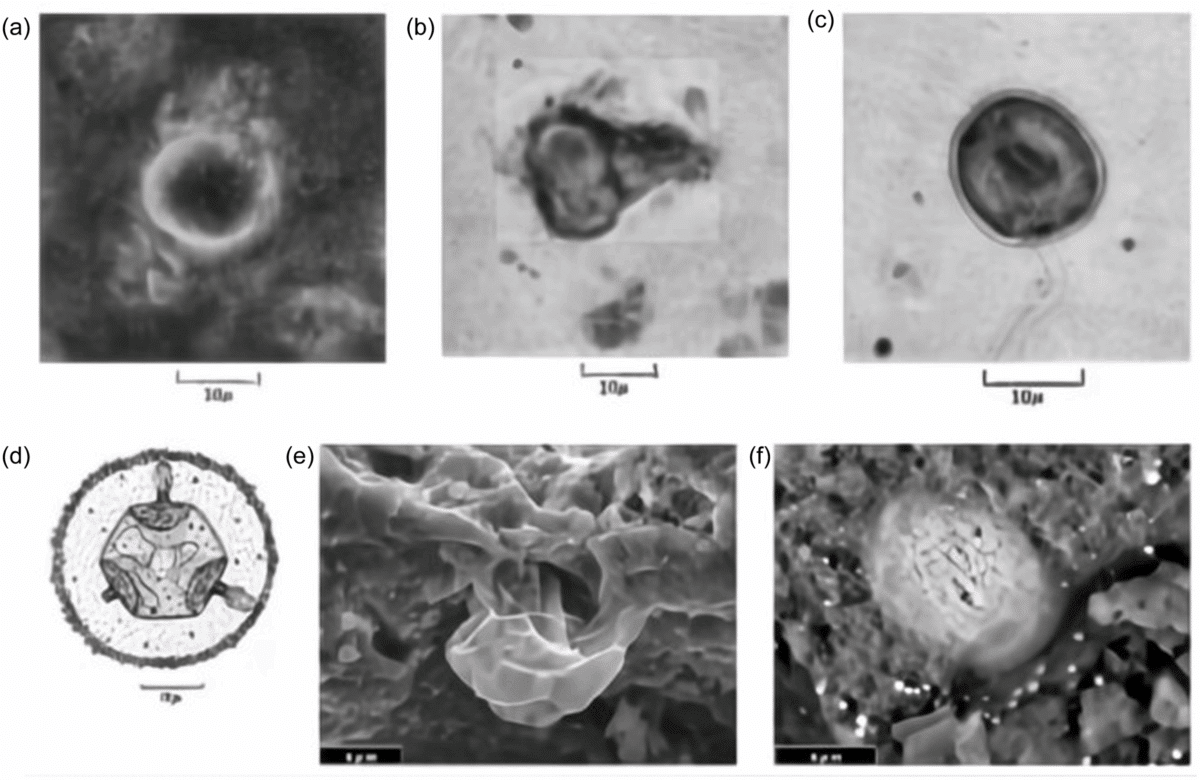
Although the exact origins of these microscopic fossils remain to be fully unravelled, their existence in the Orgueil meteorite paves new pathways for scientific inquiry. Continued examination of these ancient fragments may reveal more evidence about the early solar system’s potential to harbor life, or possibly indications of life elsewhere in the cosmos.
Exploring the Cosmos: Missions Expanding Our Life-Search
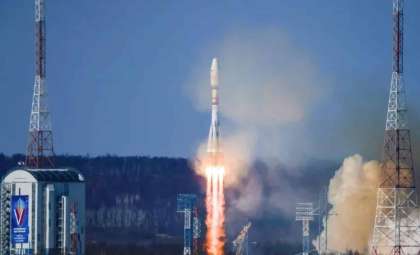
Efforts to find extraterrestrial life extend beyond analyzing meteorites. Space missions have vastly broadened our understanding of environments that could support life beyond our planet. Explorations of Mars, Saturn’s icy moon Enceladus, and other celestial bodies have greatly enhanced this search.
Mars—long considered a prime candidate for past or present life—has been thoroughly investigated by NASA rovers, which uncovered evidence of ancient water flows and recent discoveries of subsurface ice. These findings suggest that Mars could have once hosted conditions hospitable to life and might still harbor habitable niches underground.
Likewise, the Cassini probe's exploration of Enceladus revealed enormous plumes of water vapor jetting from beneath its icy crust, likely sourced from a subsurface ocean. This discovery raises the exciting possibility of life existing within this secretive aquatic habitat. Consequently, scientists are now exploring life possibilities not just on Earth-like worlds but wherever water and organic molecules might persist, even in extreme extraterrestrial settings.
Artificial Intelligence: Revolutionizing the Hunt for Life
While meteorite studies and deep-space probes have yielded vital information, detecting signs of extraterrestrial life still faces formidable obstacles. Chief among these is managing the staggering amounts of data collected during exploration. Artificial intelligence (AI) now plays a transformative role in overcoming this challenge.
Cutting-edge AI technologies enable researchers to examine meteorite chemical data more effectively, distinguishing between biological and non-biological organic compounds. By analyzing large datasets gathered by space missions and telescopes, AI detects subtle signals that human analysts might miss. Machine learning algorithms also sift through radiowave data to seek out communications from intelligent alien civilizations.
AI stands as a pivotal tool in life detection efforts, capable of processing immense data volumes faster than human capacities alone. This is especially crucial when searching for biosignatures on distant exoplanets, where faint traces of life might be buried within complex datasets. As AI advances, it brings us ever closer to answering a question fundamental to our existence: is there life beyond our planet?
- Categories:
- Space



0 comments
Sign in to Comment