
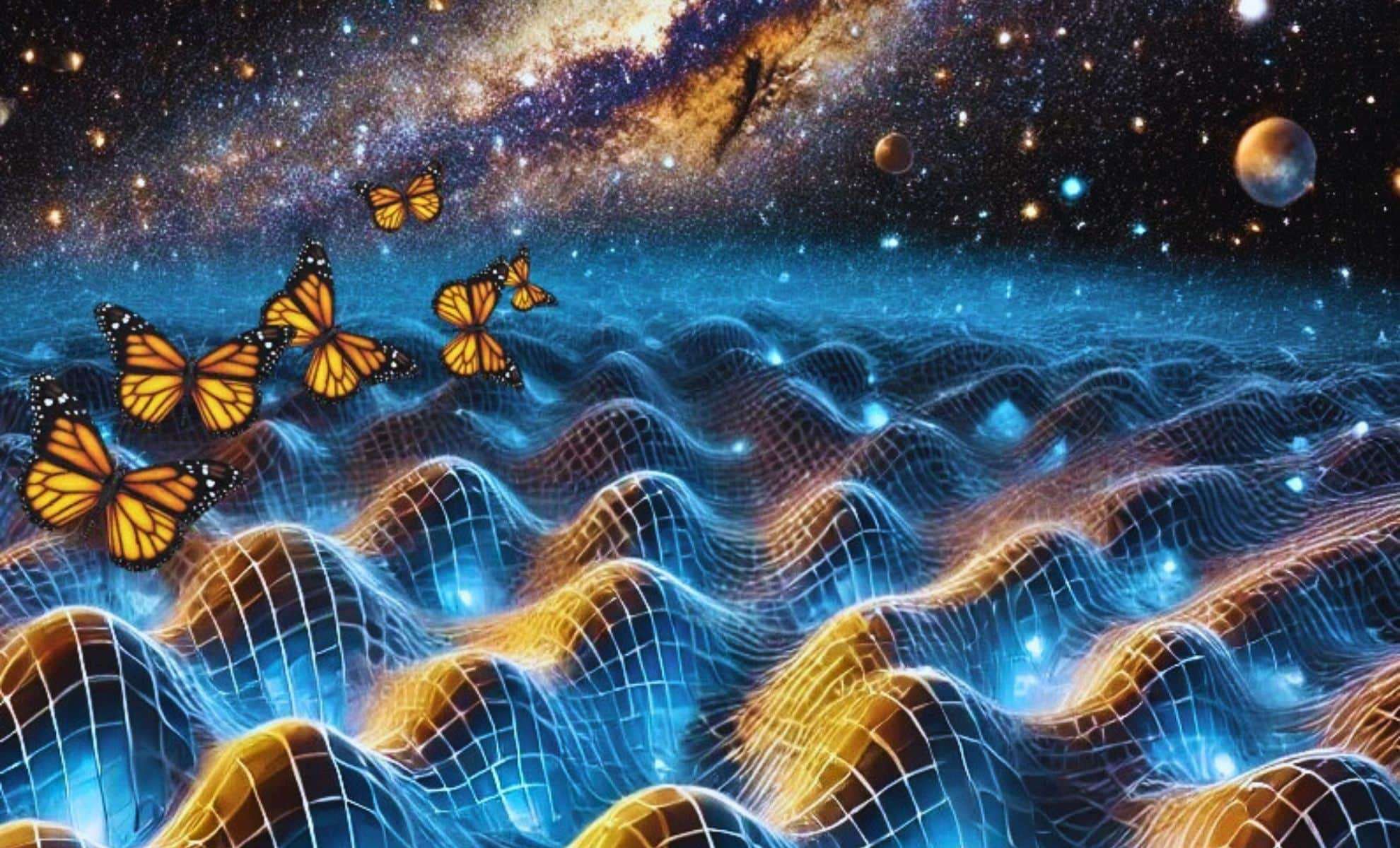
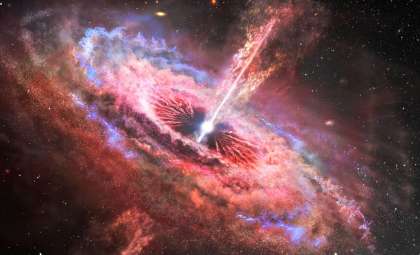
Recent research proposes that minute quantum disturbances from the moments following the Big Bang might have given rise to black holes harboring complete universes. This innovative theory, based on sophisticated cosmological modeling, argues that black holes are a product of gravitational forces rather than the collapse of massive stars.
Examining Quantum Instabilities in the Universe’s Infancy
Scientists affiliated with CNRS and Johns Hopkins University investigated how initially tiny quantum oscillations could have significantly steered the universe’s development during the rapid expansion phase known as cosmic inflation, which took place around 13.7 billion years ago.
Although these fluctuations seem minor, their effects might have been exponentially amplified, drastically altering the universe’s trajectory. While the initial stage of cosmic inflation is well characterized, later phases remain largely inaccessible to current observation.

Key Revelations From the Analysis
Simulations presented in the study suggest fascinating scenarios about how the cosmos may be structured and evolve:
- Perpetual Inflation: Certain conditions could cause the universe to experience an extended inflationary phase, creating an environment that might be inhospitable to life as found on Earth.
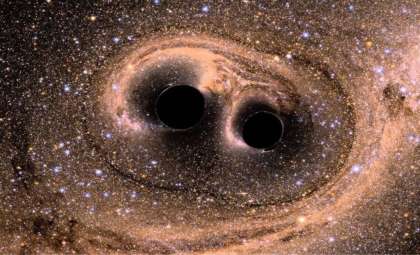
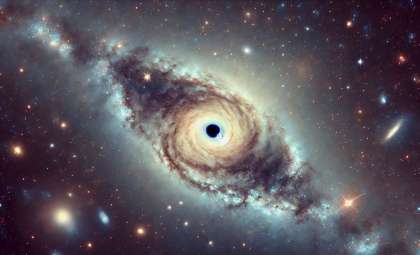
- Black Hole Creation Housing Entire Universes: Quantum ripples might trigger localized collapses under gravity, resulting in black holes that theoretically encapsulate entire alternate universes, rather than just stellar remnants.
- Multiverse Connections: This idea enriches multiverse theories by proposing that numerous universes could exist within the confines of black holes.
Exploring New Frontiers in Cosmology
Employing non-perturbative techniques that blend insights from cosmology, chaos dynamics, and computational methods, this research opens a novel window into the shadowy stages of cosmic inflation. Scientists are now using gravitational wave astronomy to detect signals from this "dark era," potentially unveiling the universe before it emitted detectable electromagnetic radiation.
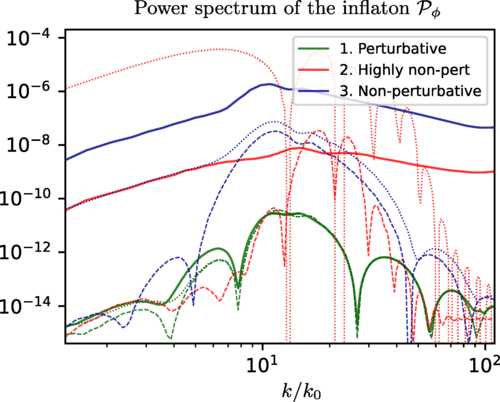
These advancements highlight how progress in theoretical frameworks and computational capabilities continually reshapes our understanding of fundamental reality. The findings not only revitalize the enduring query about black holes’ interiors but also push scientific boundaries by suggesting that entire universes might exist within their depths.
- Categories:
- Space





0 comments
Sign in to Comment