
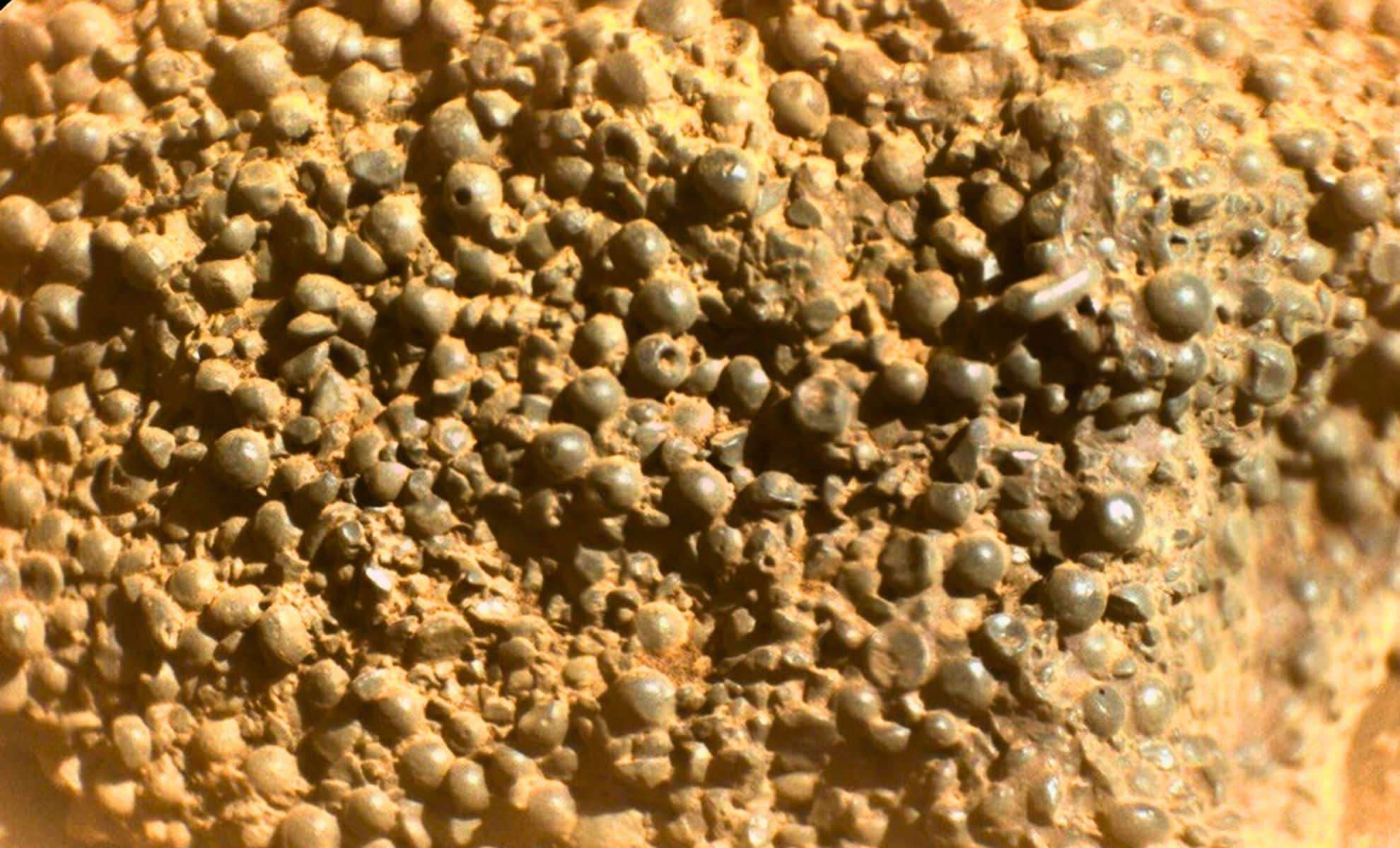
Earlier this month, the Perseverance rover made an astonishing find at the edge of Mars’s Jezero Crater: a rock exhibiting an extraordinary surface texture that has planetary geologists working to unravel its origins. The rock is studded with hundreds of dark gray spherical shapes, some featuring tiny perforations, prompting fresh discussions about Mars’s ancient geological activity, from fluid processes to explosive events.
An Unexpected Discovery at the Crater Rim
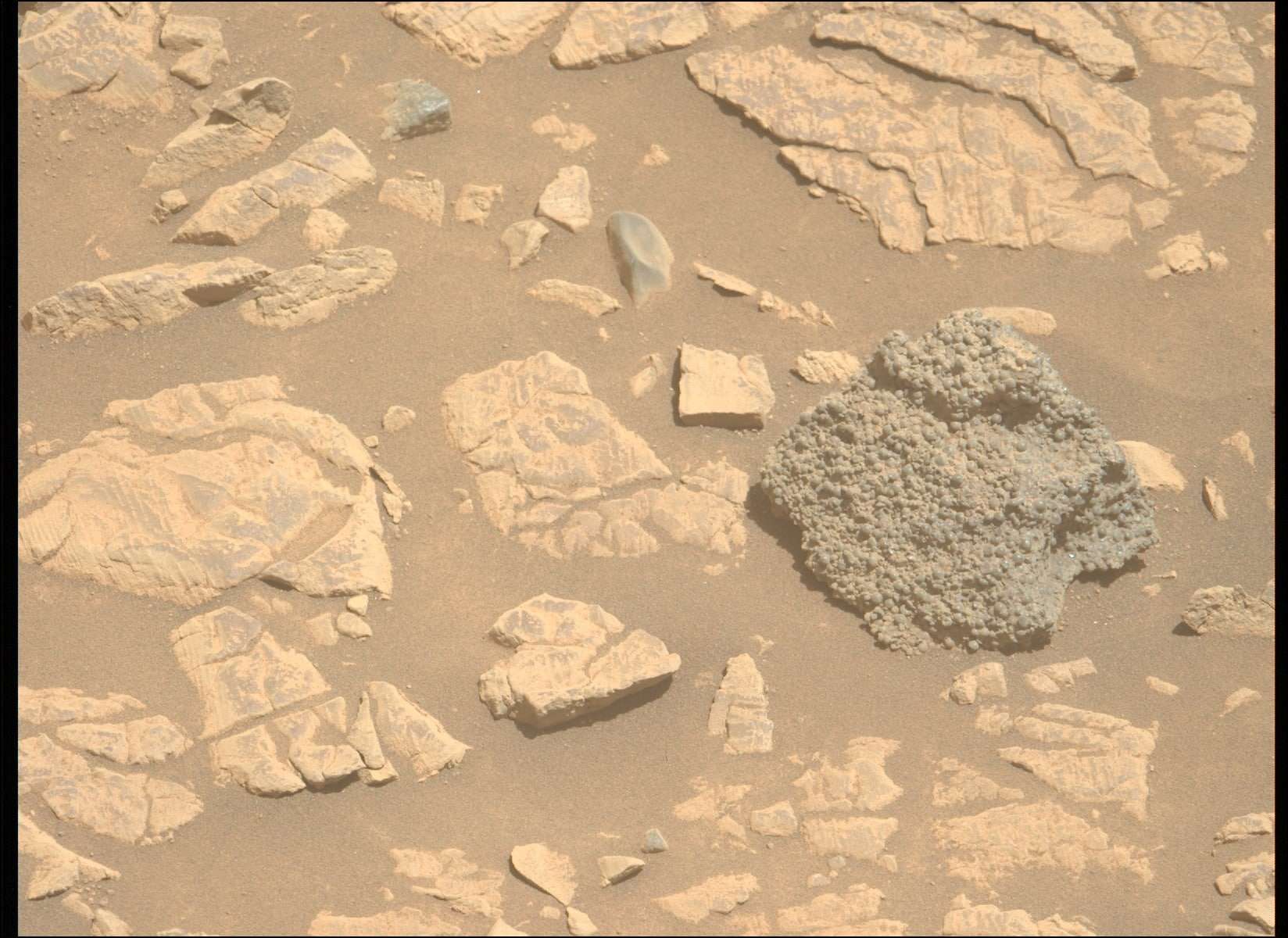
On March 11, 2025, while examining the lower inclines of Witch Hazel Hill near Broom Point, Perseverance came across a loose, distinctive rock amidst light-toned bedrock. This curious find was soon dubbed St. Pauls Bay.
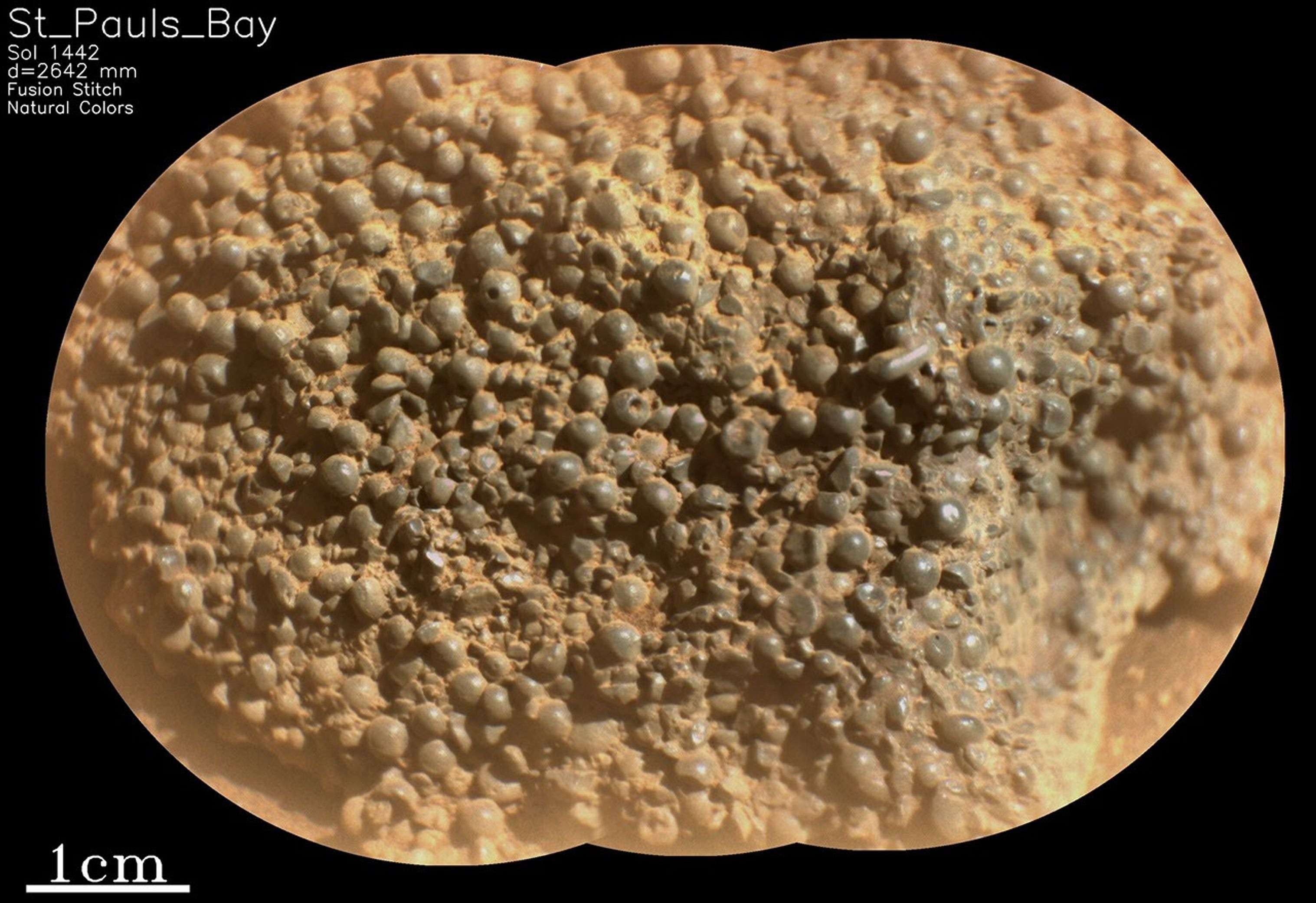
The rock stands out due to its surface, densely packed with millimeter-sized, dark gray spherules. Some spheres are nearly flawless, others are irregularly shaped or jagged, and a few display tiny holes resembling punctures. NASA scientists quickly noted the unusual nature of this formation, especially given the geological setting.

"What geological process could lead to such peculiar shapes?" questioned Alex Jones, a doctoral candidate at Imperial College London, in a NASA Science blog post. The diversity and complexity of these spherules in a single rock raise intriguing geological puzzles.
Previous Mars Finds Reflect Similar Phenomena
This isn’t the first occasion Mars has revealed these types of features. In 2004, the Opportunity rover uncovered comparable spherical formations, nicknamed “Martian blueberries”, at Meridiani Planum. The Curiosity rover also identified spherules within sediment layers of Yellowknife Bay in Gale Crater.
More recently, Perseverance discovered popcorn-like spherules within the inlet channel of Jezero Crater, called Neretva Vallis. These earlier findings were mainly attributed to concretions, minerals that gradually accumulate via groundwater moving through rocks.
Hypotheses on Formation Mechanisms
Researchers studying St. Pauls Bay propose two leading explanations for the rock’s spheroidal features:
Fluid-Induced Concretions
One idea suggests these spherules formed as concretions, where underground fluids deposit minerals in porous rock, producing smooth, rounded bodies. This process, common on Earth, would imply sustained water activity on Mars over extended intervals.
Volcanic or Impact Origins
Alternatively, the spheres could be volcanic droplets or impact melts formed by rapid cooling of molten rock during explosive eruptions or meteorite collisions. The jagged and broken shapes observed fit with such violent origins.
Both theories hint at strikingly different narratives for Mars’s geological past. As noted on NASA’s blog, determining if these spherules are sedimentary or igneous will be key to decoding their origin.
A Clue to Mars’s Ancient Crust
Importantly, St. Pauls Bay qualifies as a “float rock”, meaning it has been moved from its original formation spot. The Perseverance mission team hypothesizes it may originate from the dark layers visible from orbit on Witch Hazel Hill. If confirmed, this could reveal previously unsampled, ancient geological strata.
French geologist Gwenaël Caravaca, who has worked on both the Curiosity and Mars 2020 projects, highlighted the importance of this region:
“These terrains outside the crater are among the oldest ever explored on Mars—they date back to the Noachian, more than 3.7 billion years ago.”
This marks the first time Perseverance is surveying areas beyond Jezero crater’s center. This find could therefore return insights into Mars’s primordial crust, less altered than the sediment-rich crater floor.
Caravaca notes that whether these features formed through deep fluid interactions or volcanic/impact processes, they likely predate the Jezero crater’s formation, reflecting conditions on Mars before flowing rivers and lakes reshaped its landscape.
Ongoing Efforts to Pinpoint Origins
Currently, scientists aim to correlate the spherule-covered rock with specific geological layers of Witch Hazel Hill. Establishing this connection would enrich understanding of the region’s stratigraphy and help identify whether water, volcanic activity, or impact events influenced these formations.
“Contextualizing these features geologically is essential to unlocking their history,” NASA explains. Doing so will enhance knowledge of how diverse Martian regions evolved, beyond just the Jezero crater’s basin.
As Perseverance continues traveling and collecting samples, the St. Pauls Bay discovery stands as a fascinating testament to Mars’s complex and dynamic past. Be it remnants of ancient water activity, cooled volcanic matter, or traces of cosmic collisions, this strikingly pockmarked rock carries a powerful message about the Red Planet’s history.
- Categories:
- Space










0 comments
Sign in to Comment