
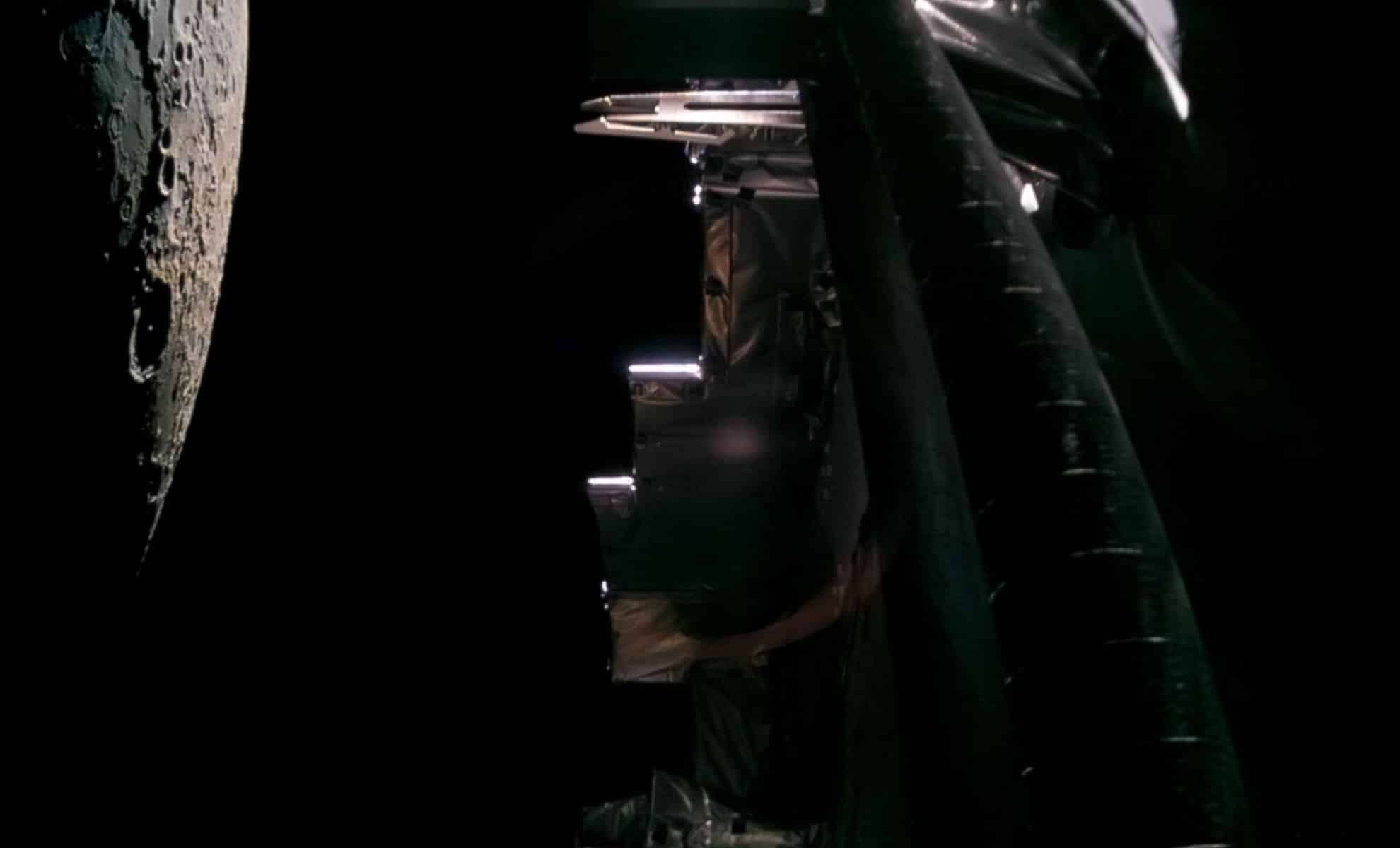
The European Space Agency’s Jupiter Icy Moons Explorer (JUICE) has accomplished a landmark maneuver, completing an innovative double gravity assist flyby around both the Moon and Earth, accelerating its voyage en route to Jupiter.
This intricate trajectory adjustment is vital in providing JUICE with the boost required to maintain its course toward the gas giant.
Focused on investigating Jupiter’s intriguing moons—Ganymede, Europa, and Callisto—the mission is poised to reveal groundbreaking data about these frozen worlds.

Moon and Earth Gravity Assists: A Precision Gravity Dance
On August 19, 2024, the JUICE spacecraft executed this critical double flyby, first engaging with the Moon’s gravitational field to enhance speed and recalibrate its path.
Immediately following, JUICE swung by Earth, completing a carefully timed dual boost maneuver that sets the stage for its upcoming encounter with Venus.
These images are just getting better and better 😍 Raw images from #ESAJuice are being sent down to Earth as we speak, we’ll publish the processed versions as soon as we can.
In the meantime, enjoy our live broadcast of the very first images that came down 👇 https://t.co/pVtpc0e5kl pic.twitter.com/y4VHSOgDAr— ESA’s Juice mission (@ESA_JUICE) August 19, 2024
This tandem gravity assist utilizing the Moon and Earth in rapid sequence is an unprecedented feat in space navigation.
Such precision timing and calculations were essential to harness gravitational forces effectively, ensuring JUICE attained the velocity necessary for its next voyage stage.
The spacecraft is now set on a trajectory toward a Venus flyby scheduled for August 2025, which will provide another gravity boost on its path to Jupiter.
Jaw-Dropping Lunar Views Captured During Flyby
As JUICE approached the Moon, it snapped stunning images offering a vivid new look at our closest celestial neighbor.
These visuals were shot with the Juice Monitoring Camera (JMC), a tool generally intended to oversee spacecraft health but which captured striking, true-color images of the Moon’s rugged terrain.
The photos highlight diverse lunar geography, detailing craters and distinct surface characteristics that underscore the Moon’s stark beauty.
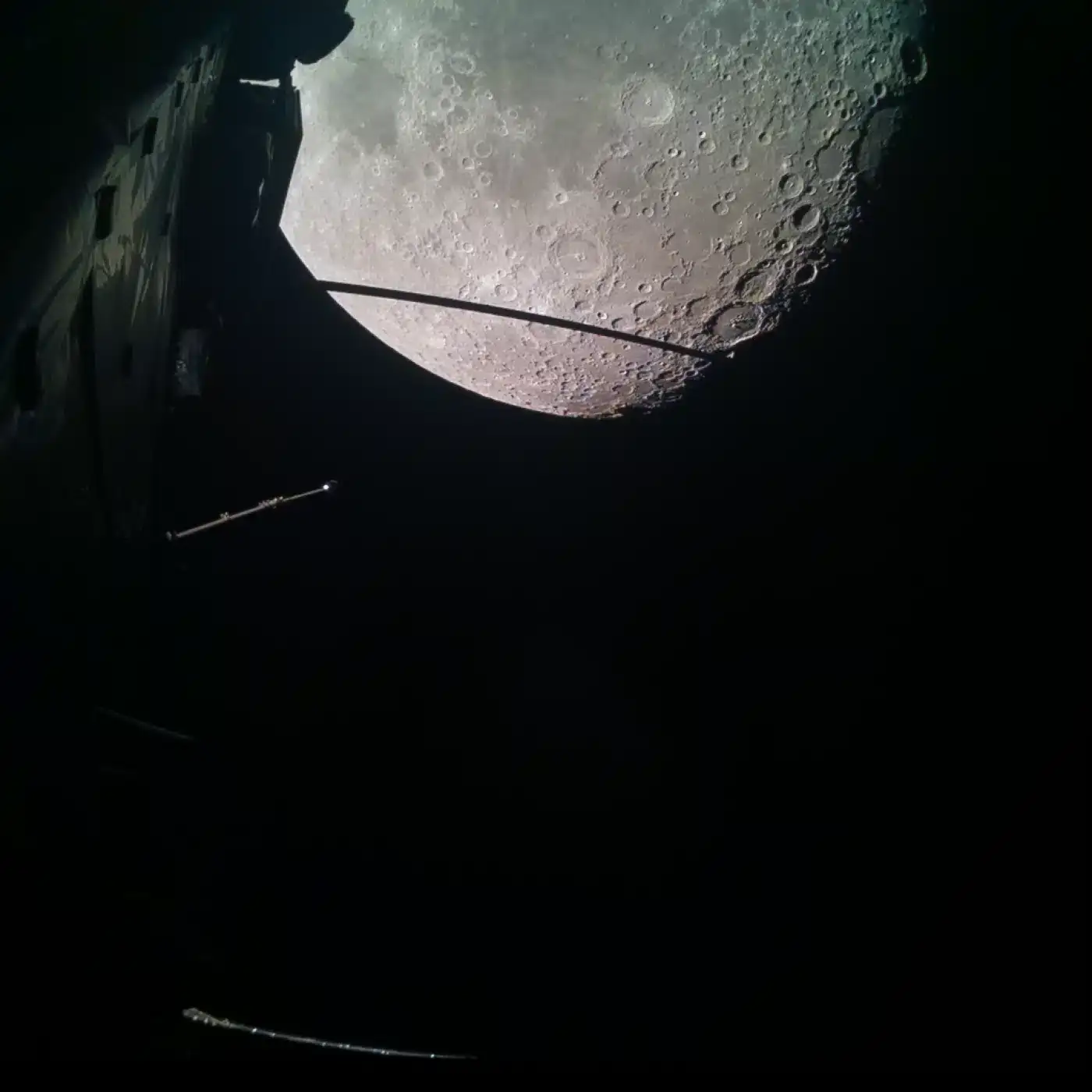

These images were captured outside the mission’s primary scientific instruments, which will be employed later to conduct detailed studies of Jupiter’s moons.
Nonetheless, they have already generated enthusiasm within the scientific community and beyond, offering a tantalizing preview of JUICE’s observational capabilities.
Onward Journey Toward Jupiter’s Orbit
Post-double flyby, JUICE is heading for a Venus encounter set for August 2025, using the planet’s gravity to propel it further along its plotted course to Jupiter.
The spacecraft will also make two additional Earth flybys in 2026, which will fine-tune its speed and trajectory for the outer solar system leg.
Upon arrival around 2031, JUICE will commence its primary scientific mission, focusing extensively on Ganymede, the largest moon in the solar system believed to harbor a subsurface ocean beneath its icy crust.
By orbiting Ganymede, JUICE plans to analyze its magnetic environment, composition, and internal structure, shedding light on its potential to support life and its geological evolution.
The probe will also investigate Europa and Callisto, two other of Jupiter’s icy satellites, thought to possess liquid oceans beneath their surfaces. Research from JUICE will be critical in assessing their habitability and broader planetary science questions.
A Mission Set to Transform Our Understanding of the Outer Solar System
JUICE stands as a monumental step forward in planetary exploration beyond the inner solar system. Each successful maneuver brings us closer to unveiling the secrets of Jupiter’s moons and their place in the solar system’s history and potential for life.
With unparalleled observations, JUICE could rewrite what we know about the conditions that might make other worlds suitable for life.
This recent double flyby achievement marks a pivotal moment, and as JUICE advances toward Venus and ultimately Jupiter, the mission holds the promise of unprecedented scientific discoveries.
- Categories:
- Astronomy ,
- News ,
- Space






0 comments
Sign in to Comment