
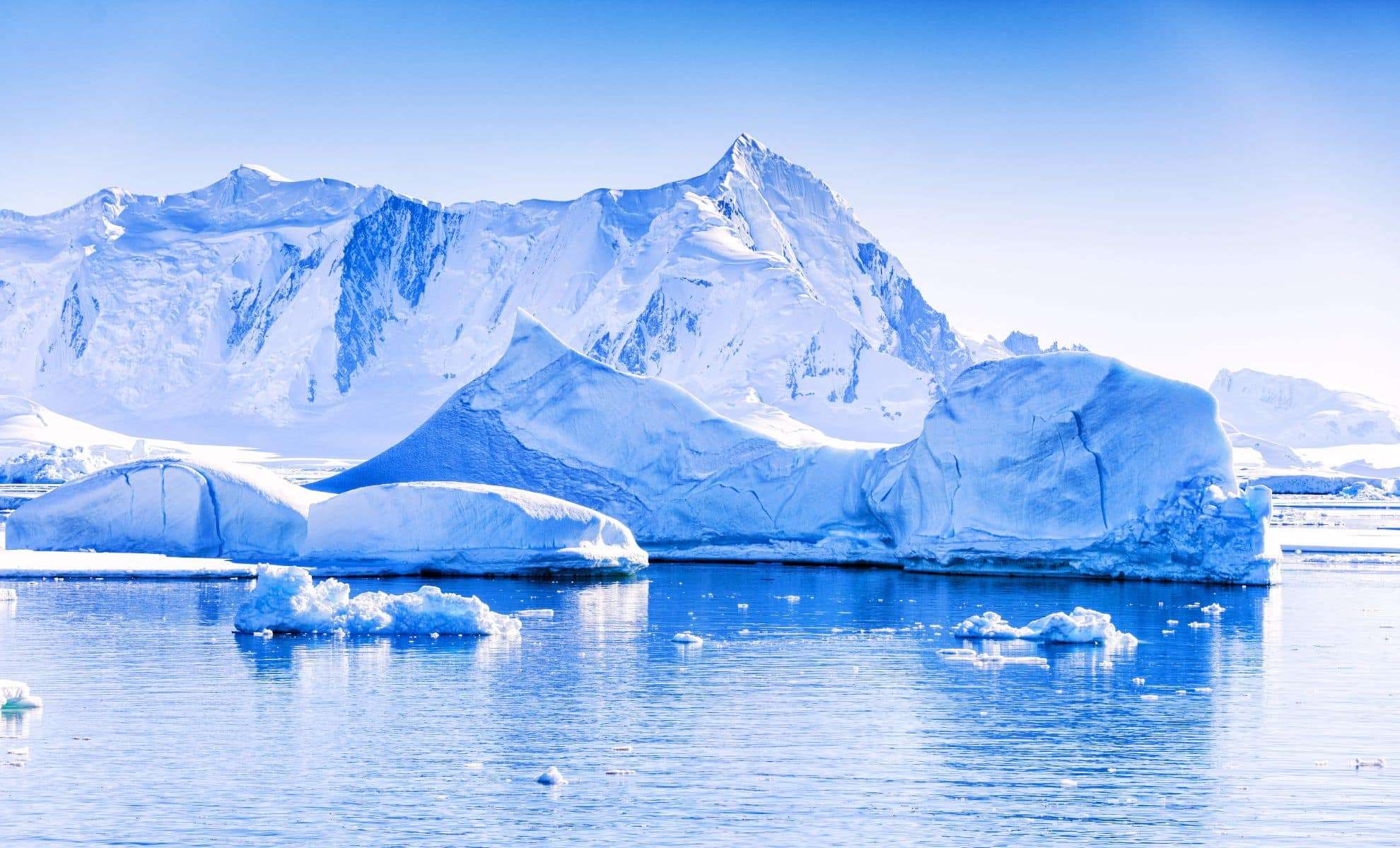
A new study featured in Nature Communications forecasts a doubling in the occurrence of atmospheric rivers affecting Antarctica by the year 2100. These invisible yet potent moisture streams significantly influence the continent’s weather, particularly snowfall and rainfall distribution. As human-driven climate change warms the planet, these atmospheric rivers are expected to transport increasing amounts of moisture, potentially altering Antarctica’s ice sheets and accelerating global sea-level rise. The research, led by an international team including Michelle Maclennan from the British Antarctic Survey, sheds new light on how these extreme moisture events may reshape Antarctica’s climate and its contribution to rising oceans.
The Vital Role of Atmospheric Rivers in Antarctic Climate Shifts
Atmospheric rivers are narrow bands carrying concentrated moisture, resembling invisible hoses streaming vast quantities of water through the atmosphere. Originating over warm ocean surfaces, they move toward the poles, releasing heavy precipitation upon landfall. Although these features are widely recognized as drivers of floods and droughts in mid-latitude and Arctic areas, their impact on Antarctica has been less explored until now. This latest research provides a comprehensive outlook showing alarming increases in their frequency and intensity over coming decades.
With rising global temperatures, the atmosphere’s capacity to hold moisture grows—a basic thermodynamic principle. The projections indicate a sharp rise in the prevalence of atmospheric rivers across Antarctica by century’s end. Moreover, the total moisture these systems carry could multiply by 2.5 times, with certain months experiencing up to triple the moisture levels observed today. This increase is expected to influence precipitation regimes dramatically, affecting both snowfall and rainfall, with serious implications for the Antarctic ice and worldwide sea levels.

Lead author Maclennan remarked, “This research offers the first detailed assessment of how Antarctic atmospheric rivers might respond to human-driven warming throughout this century.” This marks a pivotal advance in predicting how climate change will shape Antarctica’s environment long-term.
Impact of Precipitation Changes on Antarctic Ice Stability
Atmospheric rivers exert a complex influence on Antarctic ice. In cooler conditions, they contribute heavy snowfall that adds mass to the ice sheet, temporarily slowing sea-level rise. Conversely, under warming scenarios, these rivers may deliver warmer air and even rain, threatening ice shelf stability. Ice shelves, which buttress the glaciers behind them, can become vulnerable to weakening and fracturing, leading to faster glacier movement into the ocean and increased sea levels.
The findings show that although atmospheric river events will become more frequent, the nature of precipitation will be temperature-dependent. Snow will remain the dominant form, but rainfall is projected to increase significantly, especially in sensitive areas such as the Antarctic Peninsula and coastal ice shelves. These zones could receive up to 40 millimeters more rain each year by 2100, destabilizing ice shelves like Larsen C.
Maclennan highlighted the significance of these insights: “Since atmospheric rivers contribute substantial precipitation variability in Antarctica, understanding their future behavior is vital for accurate predictions of the continent’s effect on sea-level rise.” This underscores the need for climate models that integrate the intricate relationships between moisture influx, temperature variations, and ice sheet dynamics.
- Categories:
- News








0 comments
Sign in to Comment