
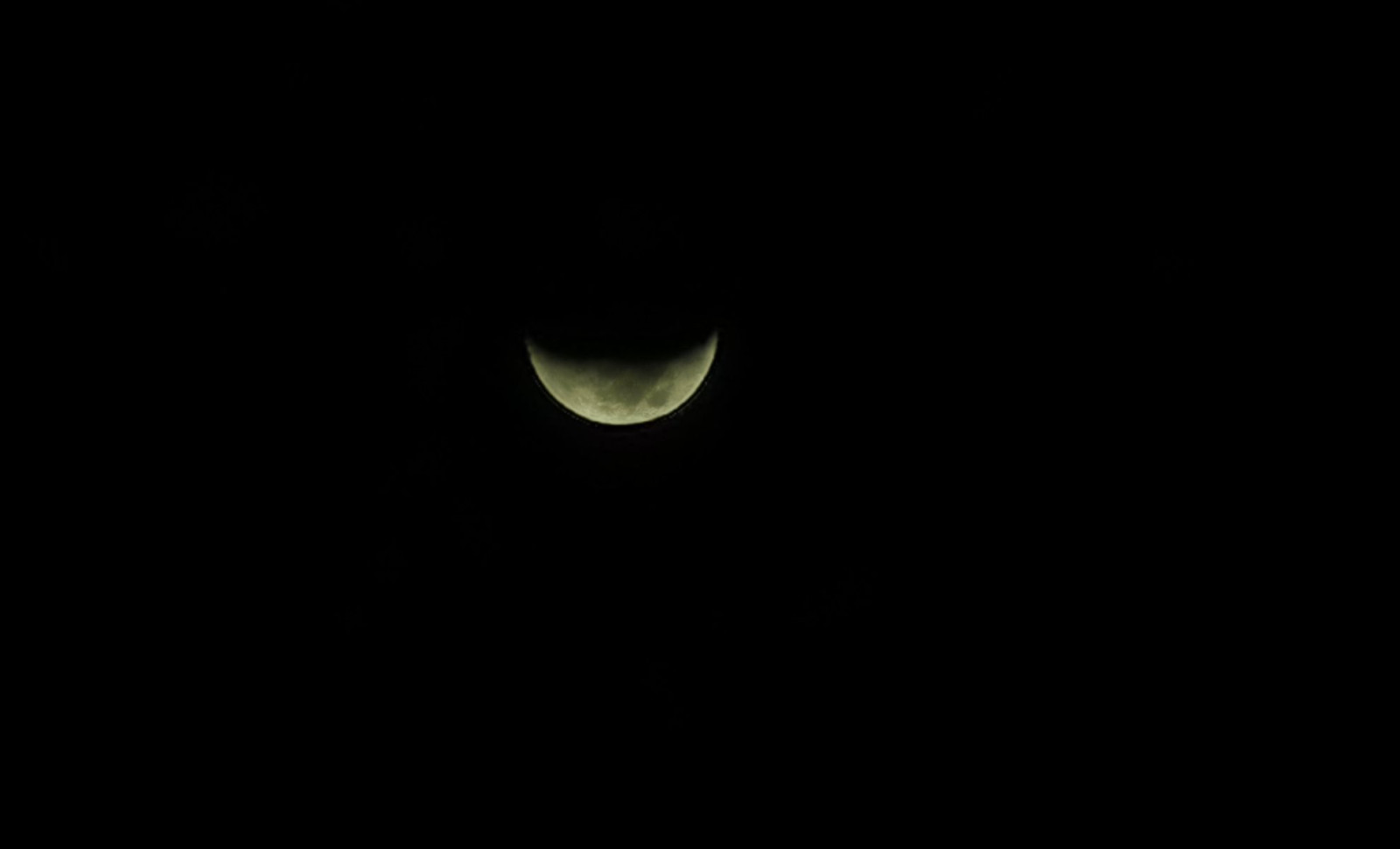
The upcoming new moon is approaching, offering a remarkable chance for astronomy enthusiasts to catch sights usually obscured by the moon’s glow. Although this lunar phase is not visible without instruments, it signifies a crucial stage in the moon’s monthly journey.
Marking the commencement of the lunar cycle, which spans roughly 29.5 days, the new moon’s position between the Earth and the sun results in darker skies—ideal conditions for spotting faint stars and planets.
Understanding Lunar Phases
A new moon happens when the moon lines up directly between Earth and the sun, leaving the side facing us in complete shadow. The next occurrence is set for March 18, 2026, at 9:23 p.m. EDT (0223 GMT on March 19).
This phase remains unseen because sunlight reflects away from Earth, leaving the moon's surface dark to our eyes. As noted by Space.com, this alignment becomes apparent only during a solar eclipse, when the moon moves directly in front of the sun. Beginning with the new moon, the lunar cycle evolves through the waxing crescent, first quarter, waxing gibbous, full moon, then waning gibbous phases before starting anew.

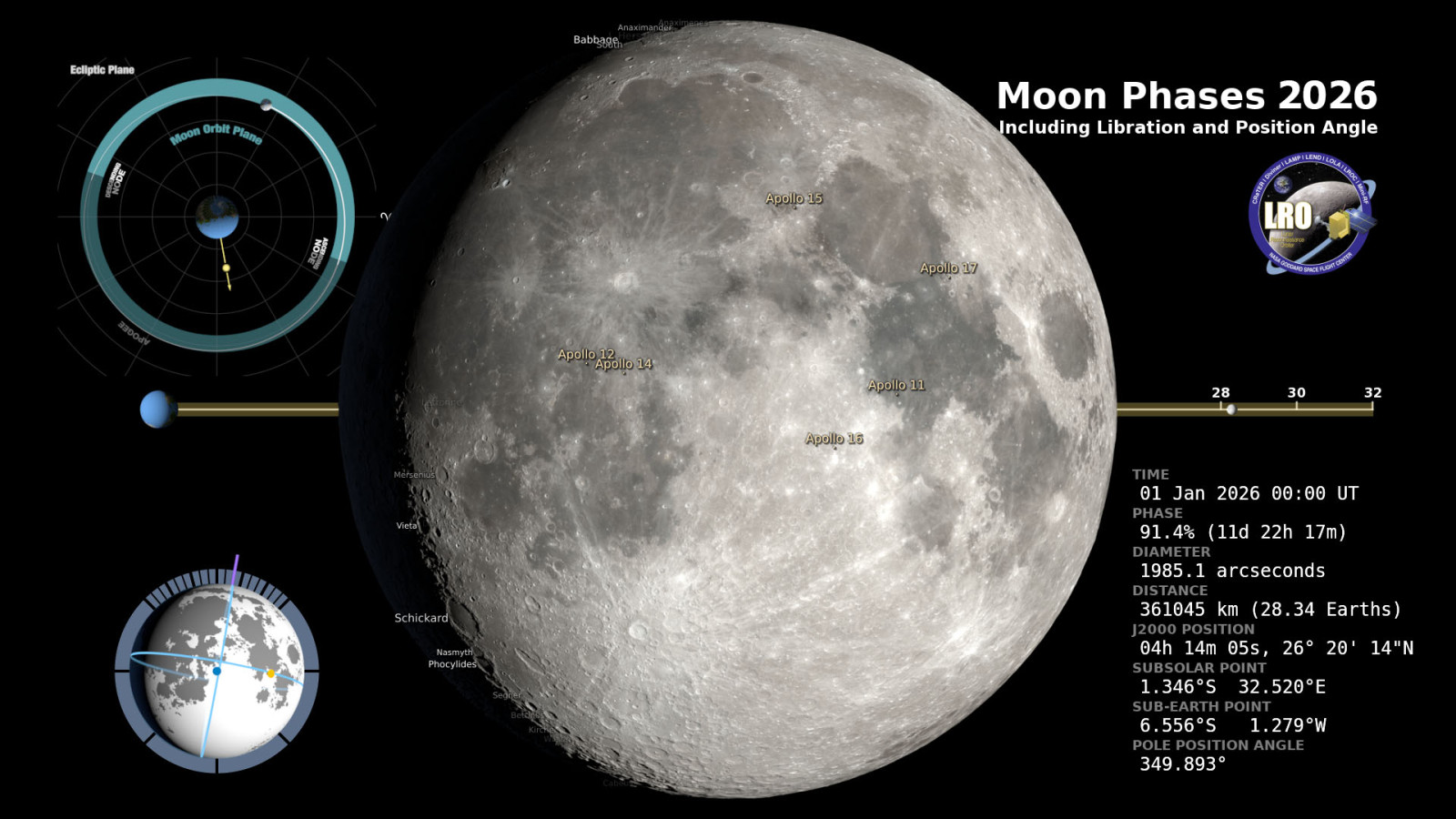
Earthshine: The Subtle Glow During the New Moon
Even though the new moon is invisible, observers can witness a delicate phenomenon called Earthshine. NASA explains that Earthshine appears just before and after the new moon, when a faint bluish-gray light softly illuminates the moon’s shadowed side. This glow occurs as sunlight reflects off Earth and lights up the moon’s dark portion.
Space.com’s skywatching expert Joe Rao describes this effect as most visible during the slender crescent phase, often termed “the old moon in the new moon’s arms.”
Spotlight on the Black Moon, a Lunar Rarity
Sometimes, the new moon is referred to as a “Black Moon,” a name assigned to a peculiar occurrence in the lunar calendar. Though unofficial among astronomers, a Black Moon can mean either the second new moon within a calendar month or the third new moon during a season that includes four new moons. According to Time and Date, the upcoming Black Moon will happen on August 31, 2027, marking the month's second new moon.
- Categories:
- News








0 comments
Sign in to Comment