
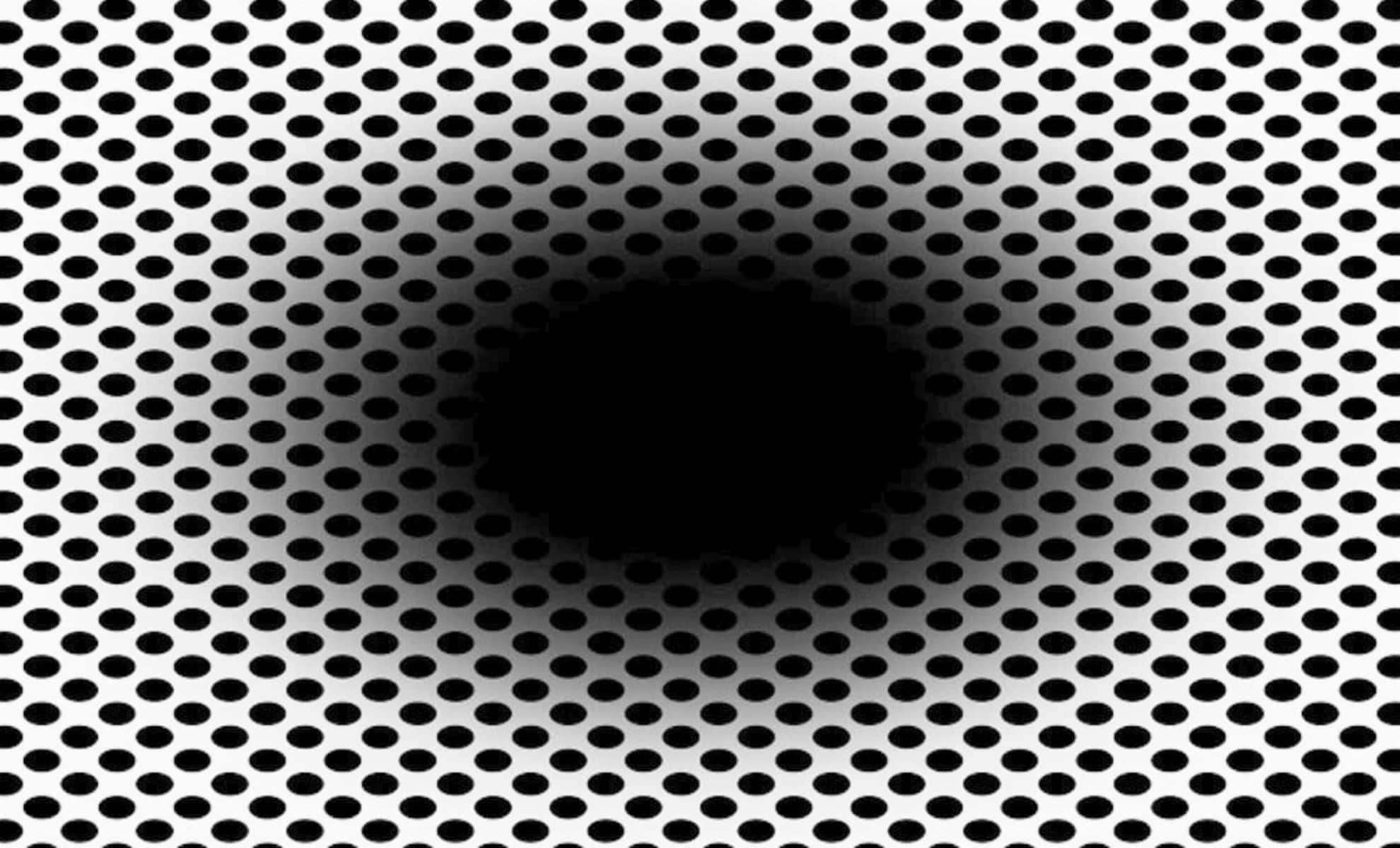
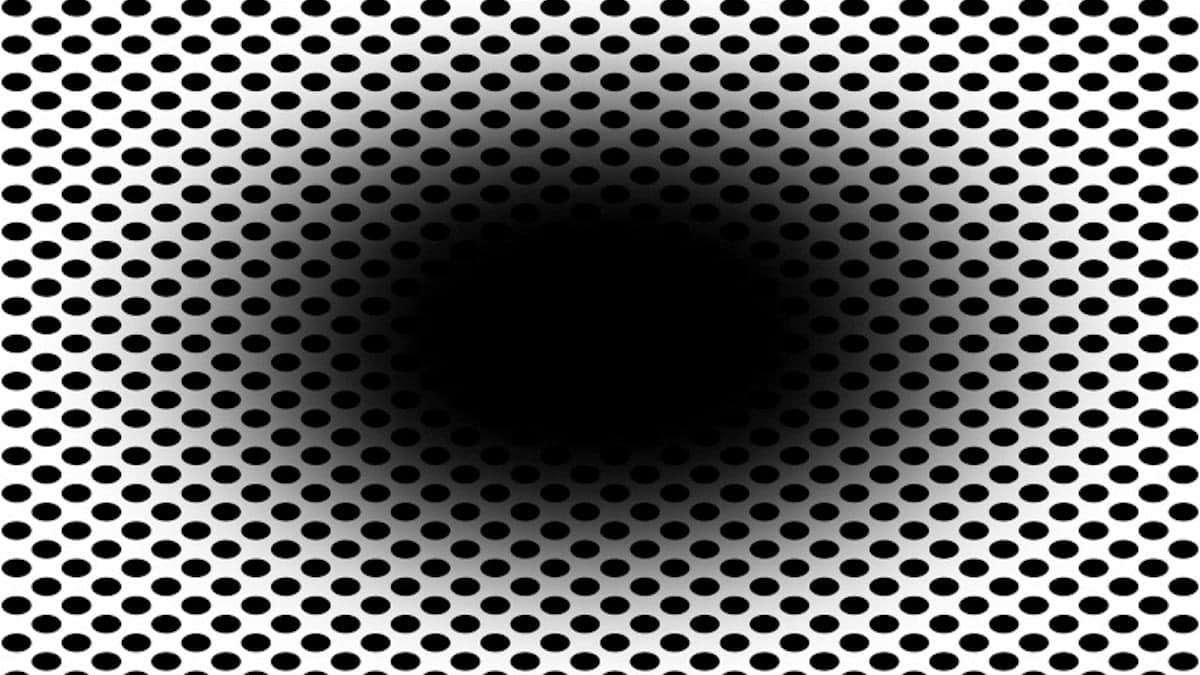
You've likely encountered this striking image before: a dark, blurry oval that seems to expand continuously as you focus on it, almost like being drawn into a never-ending vortex. Is it hypnosis or magic? Neither—it's a clever optical illusion that deceives your brain! Now, researchers have finally uncovered what powers this mesmerizing effect.
The Illusion That Hijacks Visual Perception
The unsettling feeling of being pulled into a swelling dark void isn’t merely in your mind. Scientists have been probing the cause of this captivating illusion. Nasim Nematzadeh, a specialist in robotics and AI at Flinders University in Australia, has led the inquiry. Her objective? To determine if the illusion originates from the eye’s physiology or if the brain’s processing is responsible.
The surprising conclusion is that this effect stems from a complex interaction between the retina and the brain, causing the perception of a growing hole.

The Mechanism Behind the Visual Trick
To unravel this, scientists focused on the ganglion cells within the retina—neurons tasked with detecting changes in contrast. These cells help us navigate varying light levels but can also mislead our senses.
By employing computer simulations, Nematzadeh found that when observing the “expanding black hole” illusion, certain ganglion cells react to the dark center and subsequently activate neighboring cells, causing the shadowed area to appear larger than reality.
The outcome is the brain overestimating the darkness’s size, fabricating the impression that it’s enlarging rapidly—a biological misfire altering our visual perception!
How the Brain Gets Tricked
This illusion intensifies because ganglion cells don’t function independently; they communicate with adjacent cells, sparking a signal cascade that baffles the brain. The tiniest ganglion cells near the retina’s center are extremely sensitive, which intensifies the illusion when directly gazing at it.
This kind of visual deception resembles other strange perceptual phenomena, such as cameras struggling to capture the intricate details of the Moon, or the way zebra stripes appear to shimmer under close observation. Our brains are uniquely susceptible to these tricks!
A Discovery with Broader Implications for Perception Science
This research extends beyond mere fascination with optical illusions. Gaining insight into how the brain misreads visual signals has the potential to lead to advances in artificial intelligence, virtual reality, and neuroscience.
So, if you ever feel like you’re being drawn into a dark pit, rest assured—your brain is simply playing a fascinating trick on you. And it’s far from finished!
- Categories:
- Science











0 comments
Sign in to Comment