
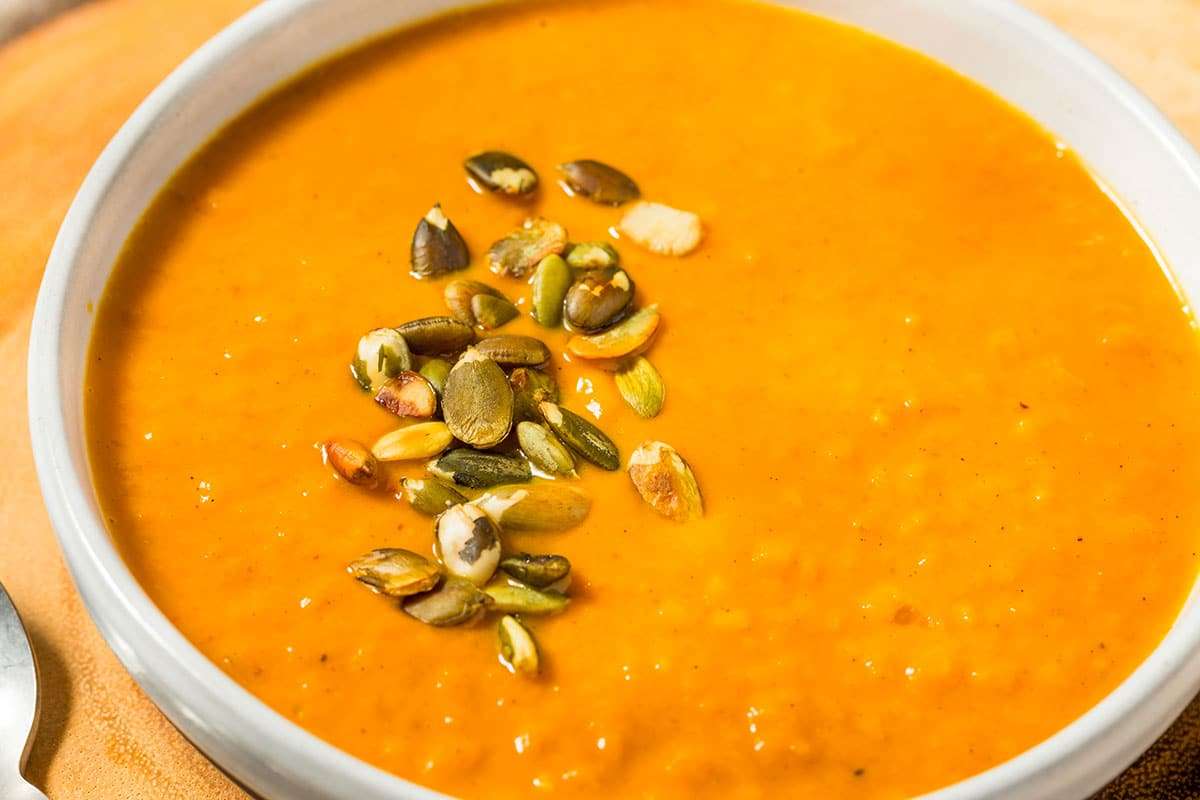
Though often praised for its health benefits, vegetable soup on its own does not supply all the essential nutrients required for a complete meal. It provides valuable vitamins, minerals, and fiber, but falls short in other critical areas:
- Too few calories to sustain energy
- Minimal protein content
- Scarcity of beneficial fats
- Insufficient complex carbohydrates
Due to these deficiencies, eating just vegetable soup may leave you hungry soon after and may not support your energy needs throughout the day. Even incorporating a single potato into a large batch does little to enhance its overall nutritional value.
However, vegetable soup can still be a nutritious element within a balanced diet. The array of vitamins and minerals in vegetables play an important role in boosting immunity and maintaining vital bodily functions.

Breaking Down Balanced Nutrition
A truly nourishing meal should encompass a diverse range of nutrients to fulfill the body's requirements. Below is an overview of the fundamental components necessary for a balanced plate:
Combining these elements in your meals ensures your body receives the fuel required for optimal performance. This approach helps maintain consistent energy levels, supports muscle maintenance, and fosters overall health.
How to Make Vegetable Soup More Nutritionally Complete
While vegetable soup alone may lack certain nutrients, you can boost its value and turn it into a well-rounded meal by trying these ideas:
- Add protein-rich ingredients such as beans, tofu, or chicken
- Mix in whole grains like barley or quinoa
- Incorporate healthy fats through olive oil or avocado
- Enjoy the soup alongside whole-grain bread or crackers
- Serve with a side salad topped with nuts and seeds for additional nutrients
These enhancements not only improve the nutritional content but also enrich the flavor and texture, creating a more satisfying dish. For example, a bean-and-pasta minestrone or an Asian-style tofu soup with noodles can offer a balanced nutrient profile.
Remember, enriching your soup is just one part of a wholesome diet. Adding nutrient-dense foods such as dark chocolate, known for its cocoa flavanols, may provide extra health benefits like easing stress and improving wellness.
Nutritious Meal Alternatives to Vegetable Soup
When craving something warm and comforting during chilly days, consider these well-balanced options instead of vegetable soup alone:
Hearty stews: Combining vegetables with proteins like lean meats or legumes provides a good mix of nutrients. Examples include a beef and vegetable stew or a lentil stew packed with veggies.
Grain bowls: A wholesome meal can be made by combining whole grains with roasted vegetables and a protein source. For instance, quinoa topped with roasted sweet potatoes, chickpeas, and tahini dressing delivers diverse nutrients in one dish.
Stuffed vegetables: Bell peppers or zucchinis filled with a blend of grains, lean protein, and vegetables offer a creative and nutritious meal option.
Ultimately, achieving a healthy diet depends on variety and balance. While vegetable soup is a valuable part of your eating plan, it should not be relied upon as the sole source of nutrition. Incorporating multiple food groups ensures you enjoy delicious, comforting meals that support your health and vitality.
- Categories:
- Health

















0 comments
Sign in to Comment