
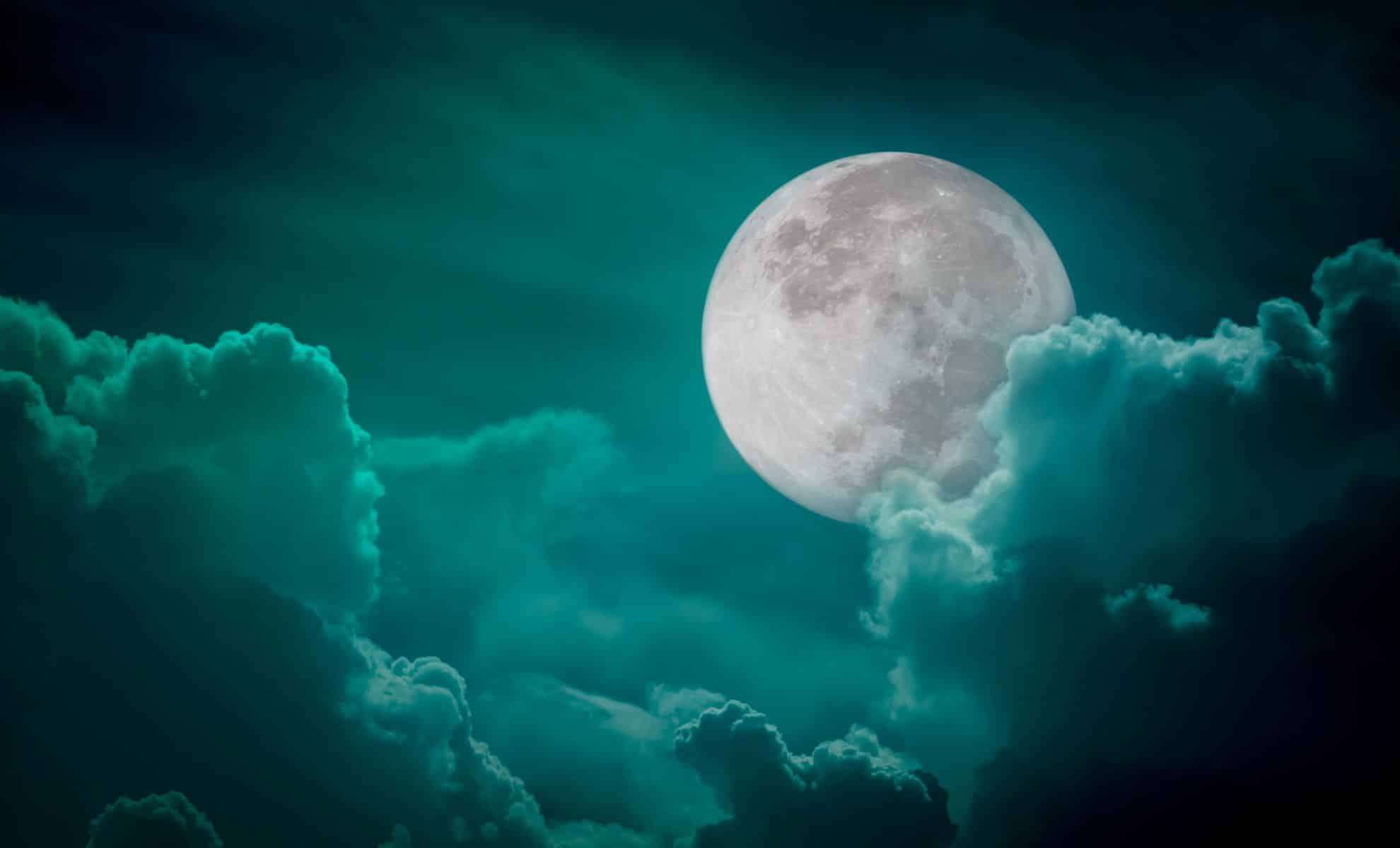
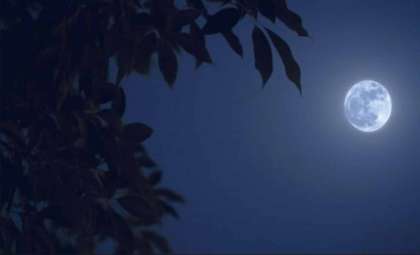
This August delivers a rare and enchanting celestial event as the Sturgeon Moon graces the sky alongside a striking planetary alignment. Occurring in the early hours of August 9, this occurrence offers stargazers worldwide a unique opportunity to witness the harmonious blend of a luminous full moon and closely positioned planets — a scene not to be missed for years to come.
The Sturgeon Moon and Its Cultural Roots
The August full moon takes its name from the Sturgeon Moon, a title derived from Native American traditions. These communities linked this moon to the seasonal catch of sturgeon, large freshwater fish historically abundant in northern lakes around this season. Known as “living fossils” because of their ancient ancestry and impressive lifespans, sometimes surpassing a century, these fish are now endangered, lending poignant meaning to the moon’s name as a reminder of environmental stewardship.
This year, the Sturgeon Moon will emerge against the backdrop of the Capricorn constellation. Depending on your location, this might shift its apparent position, but using stargazing applications like Sky Tonight can make it easier to spot and follow the moon and its planetary companions, whether with the unaided eye or through binoculars and telescopes.

Planetary Gathering Illuminates the Dawn
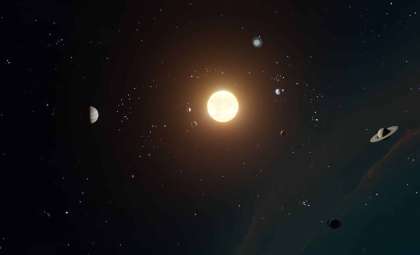
The distinctive feature of this year’s Sturgeon Moon lies in its celestial companions. Beginning near 3:55 a.m. on August 9, the moon will descend in the western sky, with Saturn following close behind from the Pisces constellation. Simultaneously, in the eastern horizon, Venus and Jupiter will appear extraordinarily close, an alignment called a conjunction, reaching its peak on August 12 and creating a stunning planetary spectacle.
With optical tools, viewers might also spot Uranus and Neptune, which usually evade casual observation, adding depth to this already impressive cosmic display.
Cultural Significance of the August Moon
Beyond the scientific marvels, the August full moon carries deep meaning across various cultures. It coincides with Raksha Bandhan, a Hindu festival that honors the protective and loving bond between siblings. Traditionally, sisters tie a sacred thread around their brothers’ wrists during this time, highlighting the moon’s role not just as a celestial event tracker but also as a symbol fostering unity and familial ties.
More Astronomical Wonders Await This August
While August 9 takes center stage, the month continues to offer excellent skywatching opportunities. The new moon on around August 23 will darken the night, providing optimal conditions to observe meteor showers like the Perseids. Although the Perseids peak on August 12, lingering moonlight from the full Sturgeon Moon could dim their visibility, making later nights more favorable for catching shooting stars.
The next full moon, the Corn Moon, will arrive on September 7, while a return of the Sturgeon Moon isn’t expected until August 28, 2026. Until then, August’s blend of lunar lore and planetary alignment offers a unique and captivating skywatching experience well worth an early wake-up.
- Categories:
- News




0 comments
Sign in to Comment