
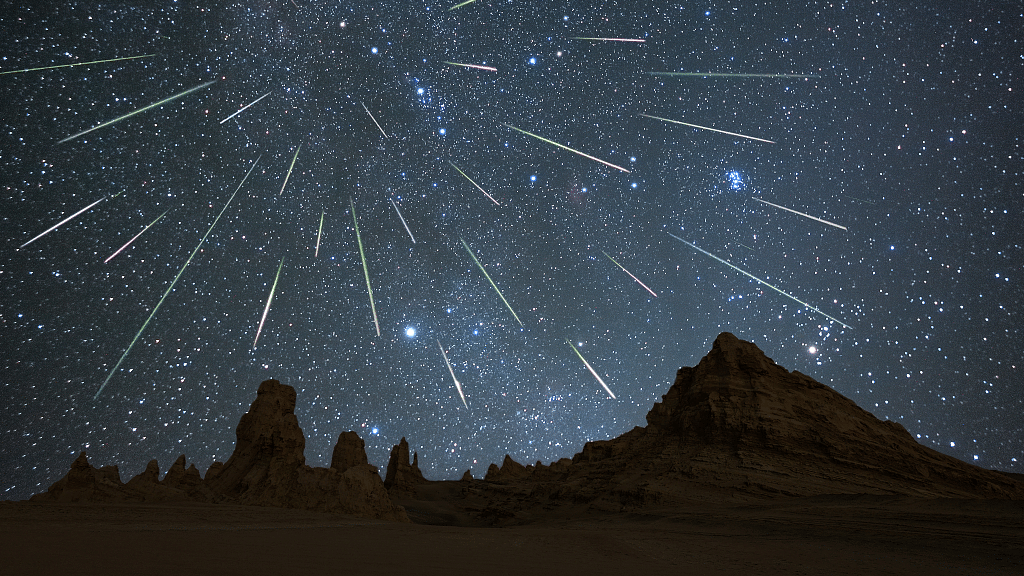
The much-anticipated Perseid meteor shower is approaching its peak, offering a spectacular celestial performance for observers worldwide.
Celebrated for its vivid and brilliant fireballs, the Perseids consistently captivate both amateur and professional astronomers. This yearly event provides a remarkable chance to marvel at a stunning display of natural cosmic phenomena.
When to Watch the Meteor Shower
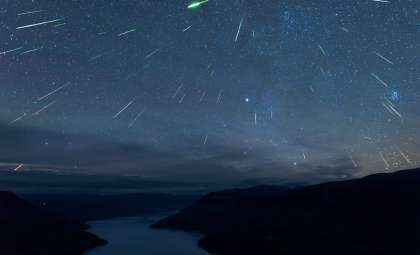
The Perseid meteor shower has been active since mid-July, but its highest activity will occur in the early morning hours of Monday, August 14th. According to the American Meteor Society, observers can expect to see upwards of 50 meteors per hour at the peak, making it one of the standout meteor showers of the year.

University of Warwick astronomer Don Pollacco highlighted the shower’s spectacular light show, commenting that the Perseids generate “numerous bright blue meteors.” For those who miss the maximum, the shower will gradually taper off but continue through September 1st, offering plenty of chances to catch some impressive meteors.
The Origin and Features of the Perseids
The Perseid meteor shower results from Earth's passage through the debris trail of comet 109P/Swift-Tuttle. This comet, which returns every 133 years, leaves behind streams of dust and particles that ignite upon entering our atmosphere, producing the brilliant streaks we call meteors or "shooting stars."
Bill Cooke from NASA points out that the Perseids stand out because they consist of larger particles that create striking fireballs. “These larger fragments make the Perseids shine brighter compared to many other showers,” he explains.
Their increased brightness and visual impact make the Perseids an extraordinary event and a must-see in the annual astronomical calendar.
Tips for Optimal Viewing
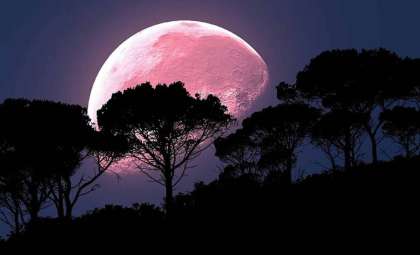
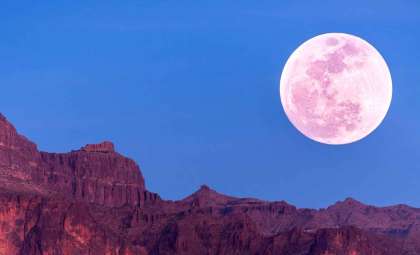
For the clearest view of the Perseid meteor shower, select a location distant from urban light pollution. The meteors are most active from midnight until dawn, intensifying through the night. This year, a 44% illuminated moon will slightly affect visibility earlier in the evening, but it should set before the meteor activity peaks, permitting darker skies.
To maximize your experience, recline comfortably with a blanket or towel on the ground and allow your eyes at least 20 minutes to adjust to the darkness. Checking local weather reports for clear skies is essential. Dress warmly for cooler nighttime temperatures, and bring water and snacks to stay comfortable while watching.
Ideal Locations to Observe the Perseids
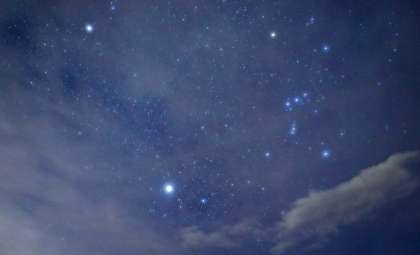
Observers in the Northern Hemisphere will have the best chance to see the Perseids, as the meteors appear to radiate from the Perseus constellation, which is positioned high in the northern sky during the event.
Viewers in the Southern Hemisphere, especially near the equator, might also catch glimpses of the meteor shower, although they won't see the radiant point as prominently.
For those unable to view the shower in person, the Virtual Telescope Project is offering free live streams captured by an all-sky camera in Maciano, Italy.
Watch the livestreams starting at 9 p.m. EDT on August 11 (0100 GMT on August 12) and again at 9 p.m. EDT on August 12 (0100 GMT on August 13). The broadcasts are available on Space.com, the Virtual Telescope Project’s WebTV, and their YouTube channel.
Upcoming Meteor Events
If you miss the Perseids, the next prominent meteor shower to anticipate is the Orionids, which peak in mid-October.
Similar to the Perseids, the Orionids offer fast, luminous meteors and originate from Halley’s Comet, granting another impressive opportunity to enjoy an extraordinary night sky feature.
The Perseid meteor shower continues to be one of nature’s most remarkable annual spectacles, promising awe-inspiring views this year for those with clear skies and a bit of preparation.
- Categories:
- Astronomy ,
- News




0 comments
Sign in to Comment