
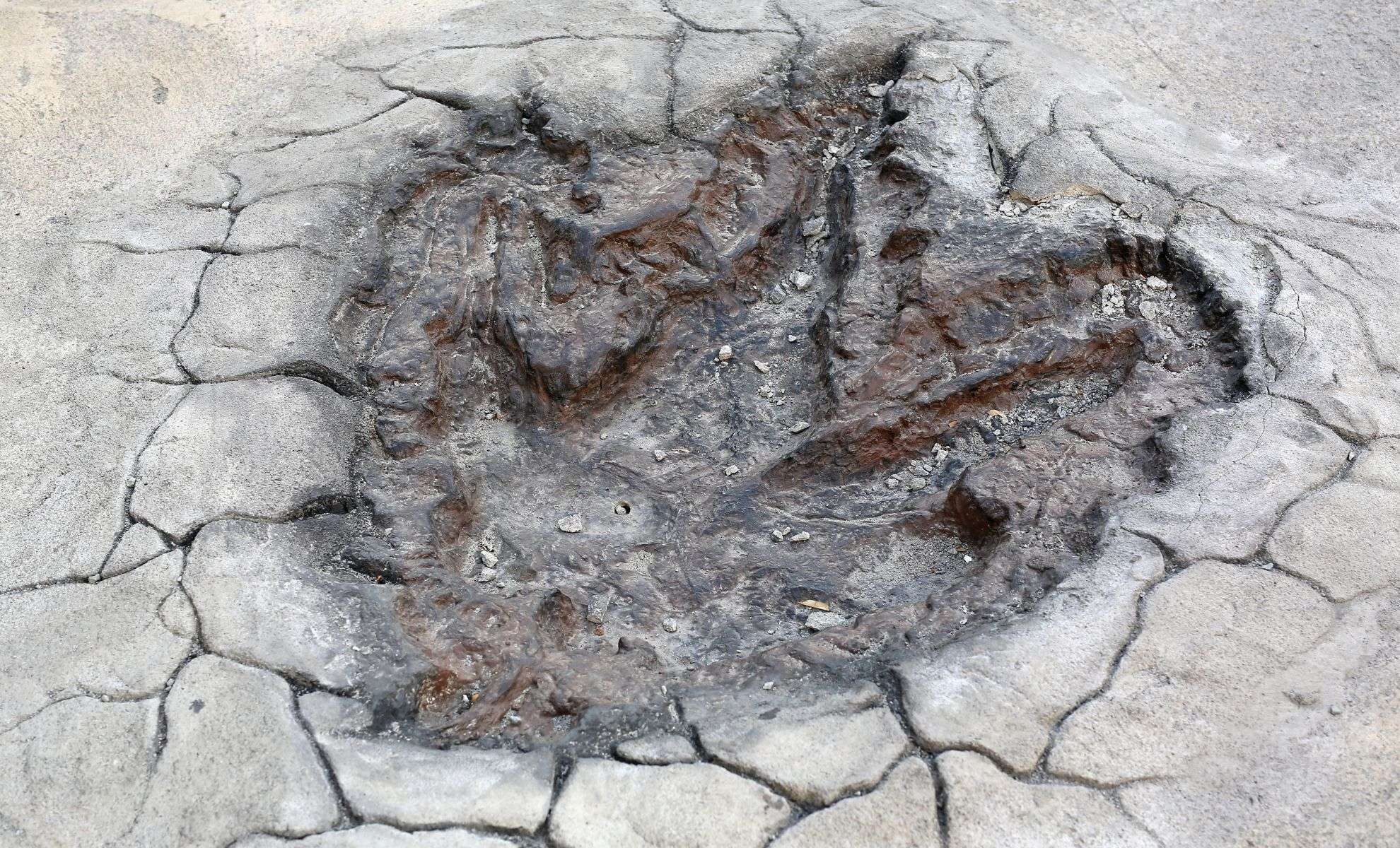
Deep within the dramatic terrain of Dinosaur Provincial Park in Alberta, Canada, a remarkable archaeological find has sparked excitement among paleontologists and dinosaur fans alike. In July 2024, a unique collection of dinosaur footprints was discovered at this notable UNESCO World Heritage location.
Footprints Unveiling History
Discover Wildlife reports that Dinosaur Provincial Park has long been a treasure trove of fossil remains, with fossils from more than 50 dinosaur species, including famous groups like tyrannosaurs, hadrosaurs, and ceratopsians. Although skeletal fossils are common here, well-preserved footprints are an uncommon find. This latest discovery stands out because it not only preserves remarkable track details but also sheds light on dinosaur social behavior.
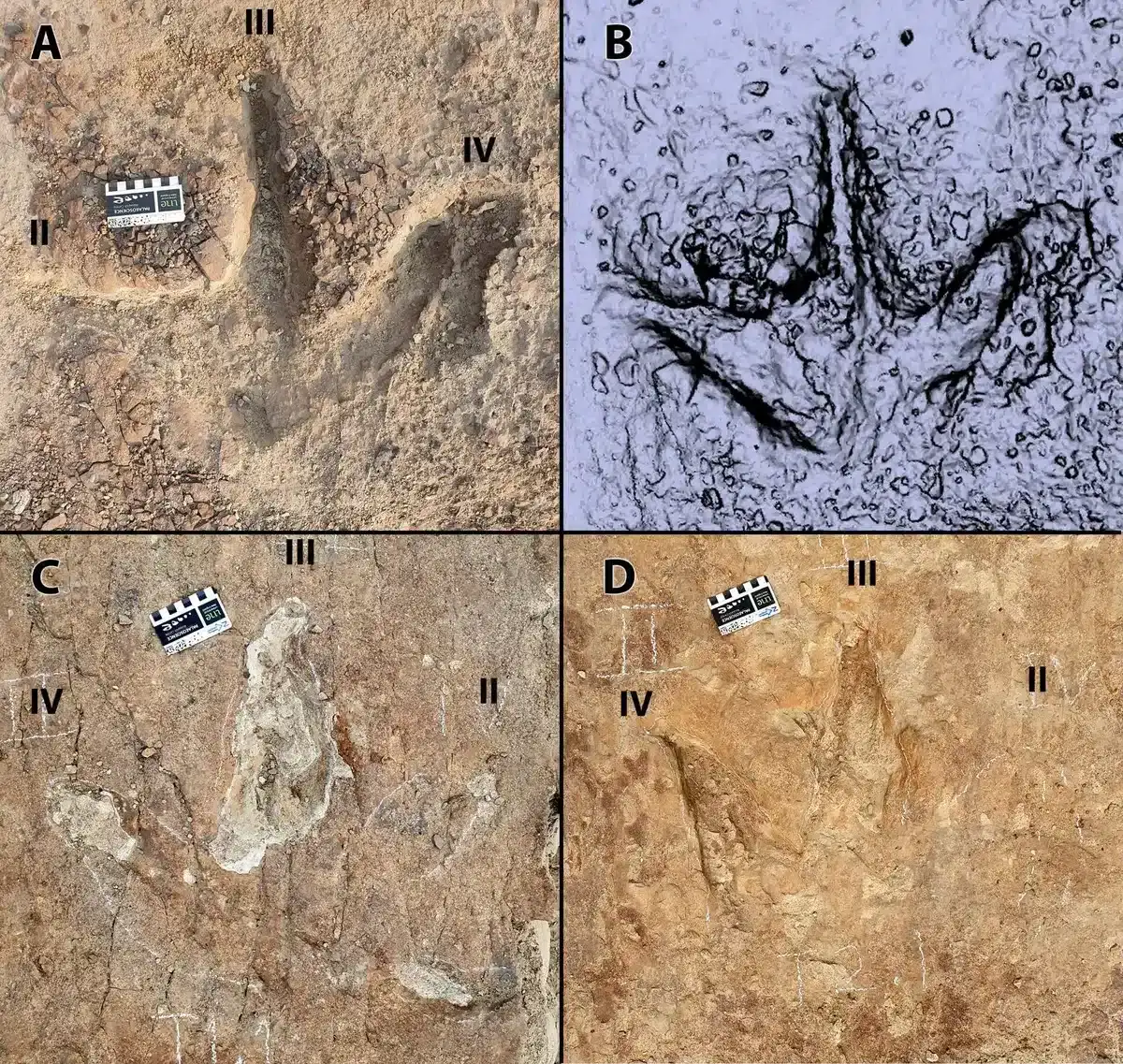
The Skyline Tracksite features footprints from multiple dinosaur species progressing together. The research team, including Dr. Phil Bell of the University of New England, observed tracks attributed to ceratopsians (horned dinosaurs) and possibly an ankylosaurid (armored dinosaurs), implying that several species might have coexisted and traversed the area as a group.

Predatory Tyrannosaurs in Pursuit
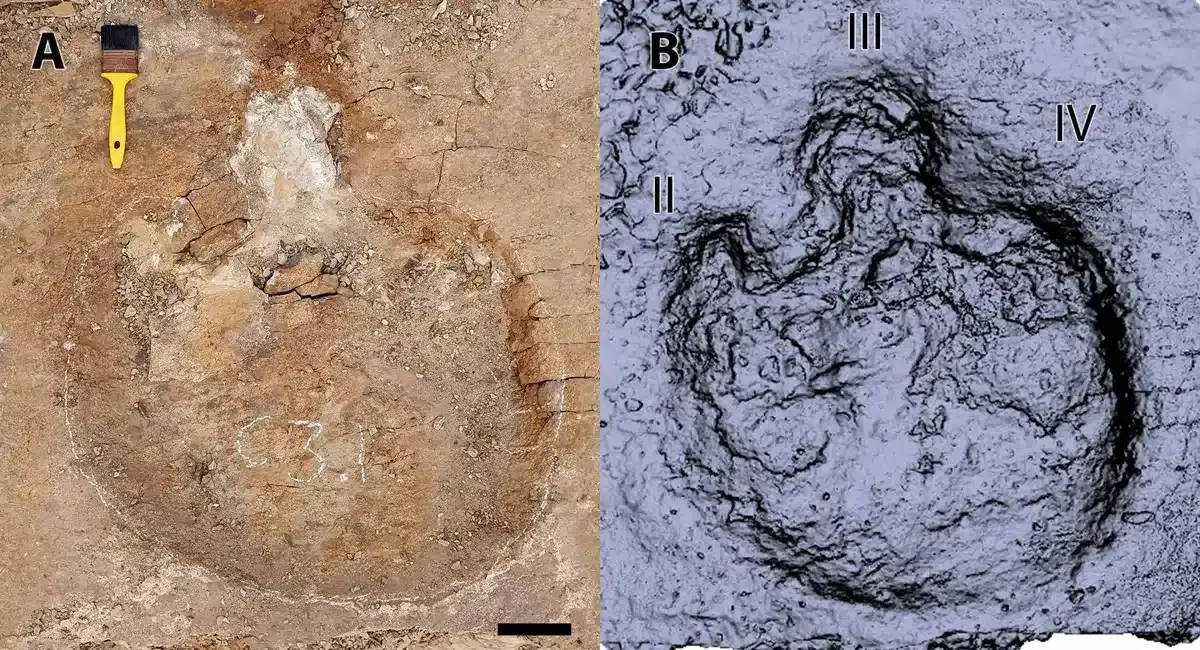
A particularly striking part of this find is the discovery of two large tyrannosaur footprints crossing perpendicular to the herd's path. These marks, made by formidable predators, suggest that tyrannosaurs were closely stalking the group. Dr. Bell commented, “The tyrannosaur footprints provide a glimpse of predators locking eyes on their prey, which is an unsettling yet fascinating insight.”
The suggestion that these apex predators were carefully observing the herd adds intrigue by revealing the predator-prey dynamics that existed in the Late Cretaceous. While the team can’t confirm if the tyrannosaurs eventually interacted with the herd, this evidence prompts new questions about the ecological relationships of prehistoric creatures.
Delicate Excavation Efforts
Revealing these tracks required meticulous effort from the excavation team. Over several weeks, they carefully chipped away rock from the Skyline Tracksite using tools ranging from picks and trowels to soft brushes and brooms. After excavating more than 29 square meters of rock, they uncovered 13 clearly defined footprints belonging to ceratopsians, alongside additional traces from other species.
The footprints include both herbivorous and carnivorous dinosaurs, all apparently moving in close proximity. The discovery of an ankylosaurid track is especially notable, hinting that these armored dinosaurs might have moved within the same herd, further supporting ideas about complex dinosaur social behavior.
Dr. Brian Pickles, co-author of the study and a scientist at the University of Reading, shared his enthusiasm: “Walking in the footprints left by these creatures 76 million years ago was an incredibly thrilling experience.”
Advancing Our Understanding of Dinosaur Life
This find significantly enriches the comprehension of dinosaur behavior, particularly regarding how different species might have coordinated their movements for survival. The fossil footprints from Skyline Tracksite offer a rare window into life during the Late Cretaceous, providing valuable evidence about how dinosaurs traveled, lived, and interacted.
The coexistence of tyrannosaur tracks alongside those of herbivores indicates that like modern predators, tyrannosaurs may have been strategically monitoring their prey’s movement. This discovery also signals the potential for future finds, as Dr. Pickles noted that advanced imaging technologies have opened up opportunities to identify more tracksites within Dinosaur Provincial Park.
- Categories:
- News




0 comments
Sign in to Comment