

Students from the University of Cologne have made a remarkable archaeological find at the LWL-Römermuseum in Haltern am See, Germany: a Roman-era cooling pit dating back 2,000 years. This ancient refrigeration system used by the Romans offers valuable insight into the food preservation techniques and everyday life of soldiers stationed at Aliso, a key military fort on the northern frontier of the empire. The discovery, detailed in the latest Archaeology in Westphalia-Lippe publication, highlights Roman innovation in managing perishable goods.
Uncovering a Roman Food Preservation Method
Excavations in Haltern am See have shed light on the lifestyle within the Aliso fort, one of the Roman Empire’s primary strongholds in Germania. Among the artifacts recovered were shards of Terra Sigillata, a distinctive red-glazed pottery associated with elite Roman dining. The presence of this fine tableware suggests that soldiers enjoyed sophisticated meals despite the remote and militarized setting, located on the empire’s frontier region.
Dr. Bettina Tremmel notes that the discovery of such luxury dining artifacts illustrates the cultural reach enjoyed by Roman soldiers, even in isolated outposts. Additionally, fragments of Roman wine amphorae suggest that Mediterranean wines were transported and consumed at the site, attesting to trade and supply networks extending to distant provinces.

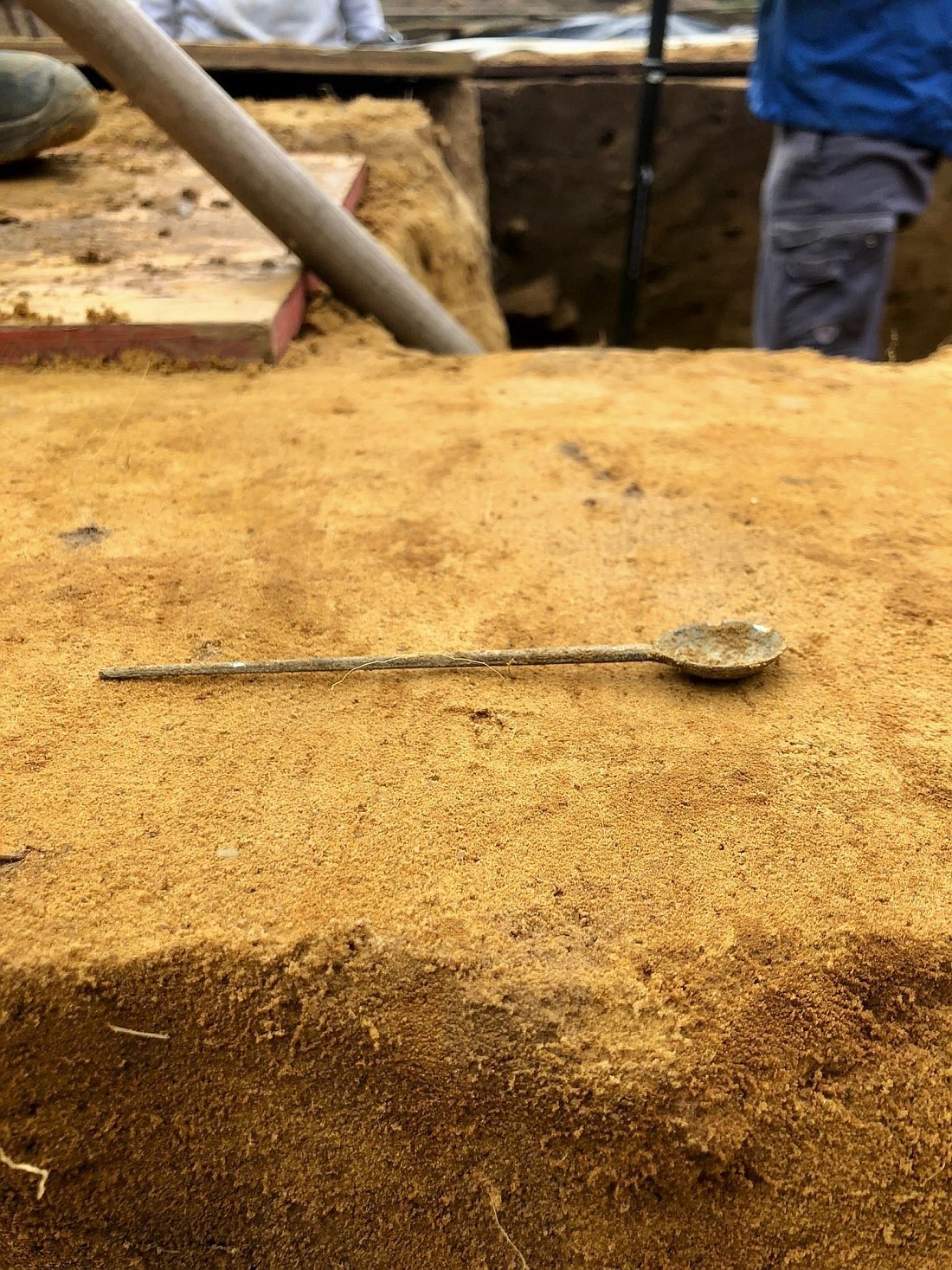
Roman Cooling Pit: A Clever Ancient Refrigeration System
One of the standout features uncovered was a probable "Cooling Pit," described as an early form of refrigerator used by Romans to keep food fresh. The pit was likely dug into the earth and insulated with materials like clay, stone, straw, or sand to maintain a cool environment. As explained by Dr. Tremmel:
“It is not yet clear whether the building remains belong to a soldiers’ barrack or an atrium-style house.” Tremmel added. “However, one of the pits discovered may have served as a kind of refrigerator — an ancient storage space used by the Romans to keep food and drinks cool.”
According to an announcement from the Landschaftsverband Westfalen-Lippe (LWL), Roman forts in colder regions like Germania modified their food storage strategies to suit the climate. Unlike the warm provinces, where advanced hypocaust-heated storage rooms were common, northern camps used simpler subterranean pits as effective cool storage. The well-insulated Haltern pit, possibly topped with wooden planks, would have provided an efficient way to preserve perishables in the temperate Germanic environment.
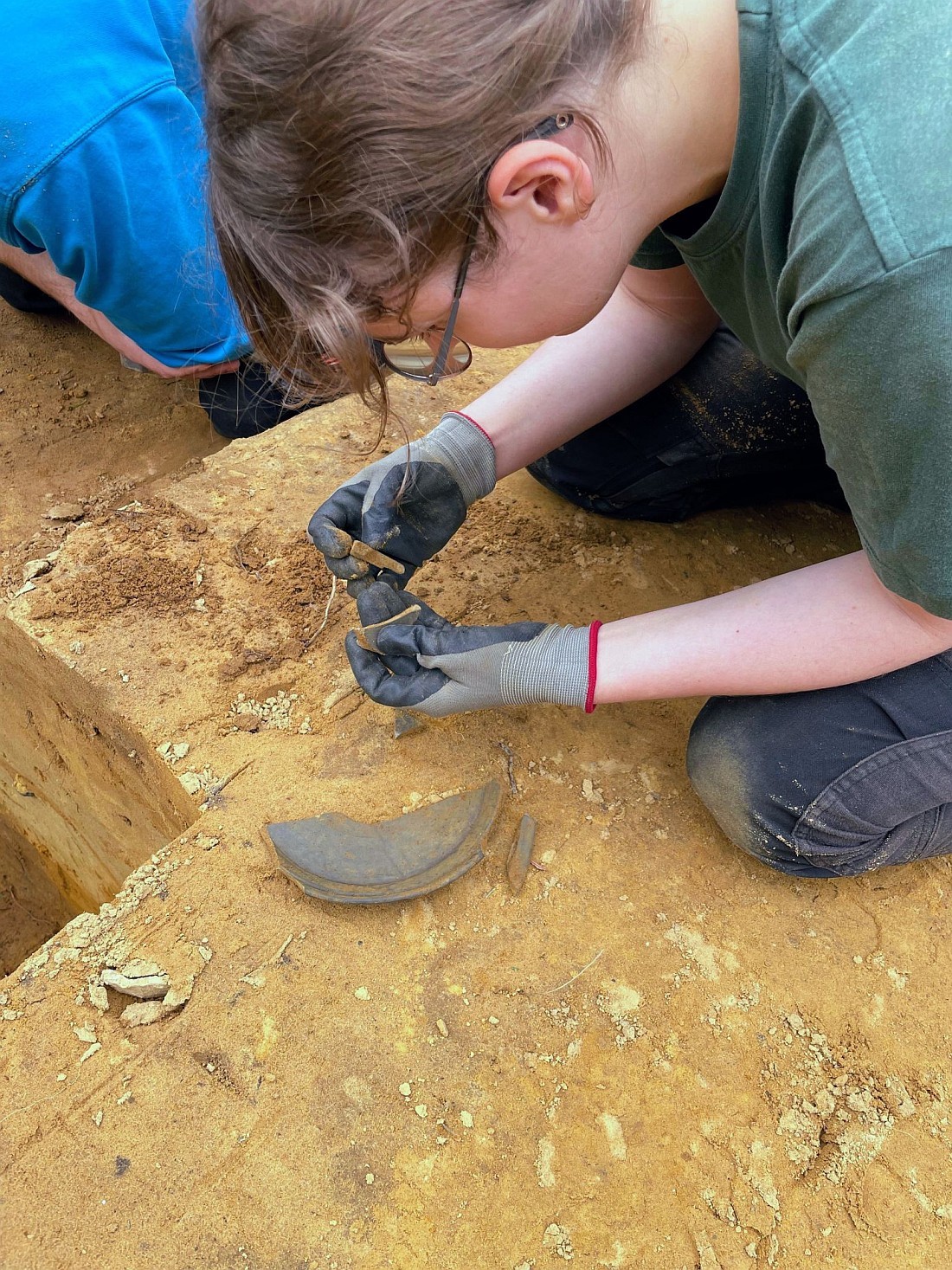
Evidence of the Fort’s Violent Abandonment
The excavation also uncovered large post trenches that are thought to represent traces of a deliberate demolition technique called "hot demolition," where wooden posts were burnt before being pulled out. This method was commonly used by Roman troops during retreats to quickly dismantle camps.
Dr. Tremmel suggests that these remains indicate a rapid and forceful abandonment of the site, likely connected to The Battle of the Teutoburg Forest.
In 9 AD, Roman forces suffered a devastating defeat at the hands of Germanic tribes in this battle, prompting a strategic withdrawal from Germania. The hurried destruction of military outposts like the one at Haltern am See reflects the chaos unleashed by this historic loss and marks a turning point in Roman frontier policy.
- Categories:
- Science









0 comments
Sign in to Comment