
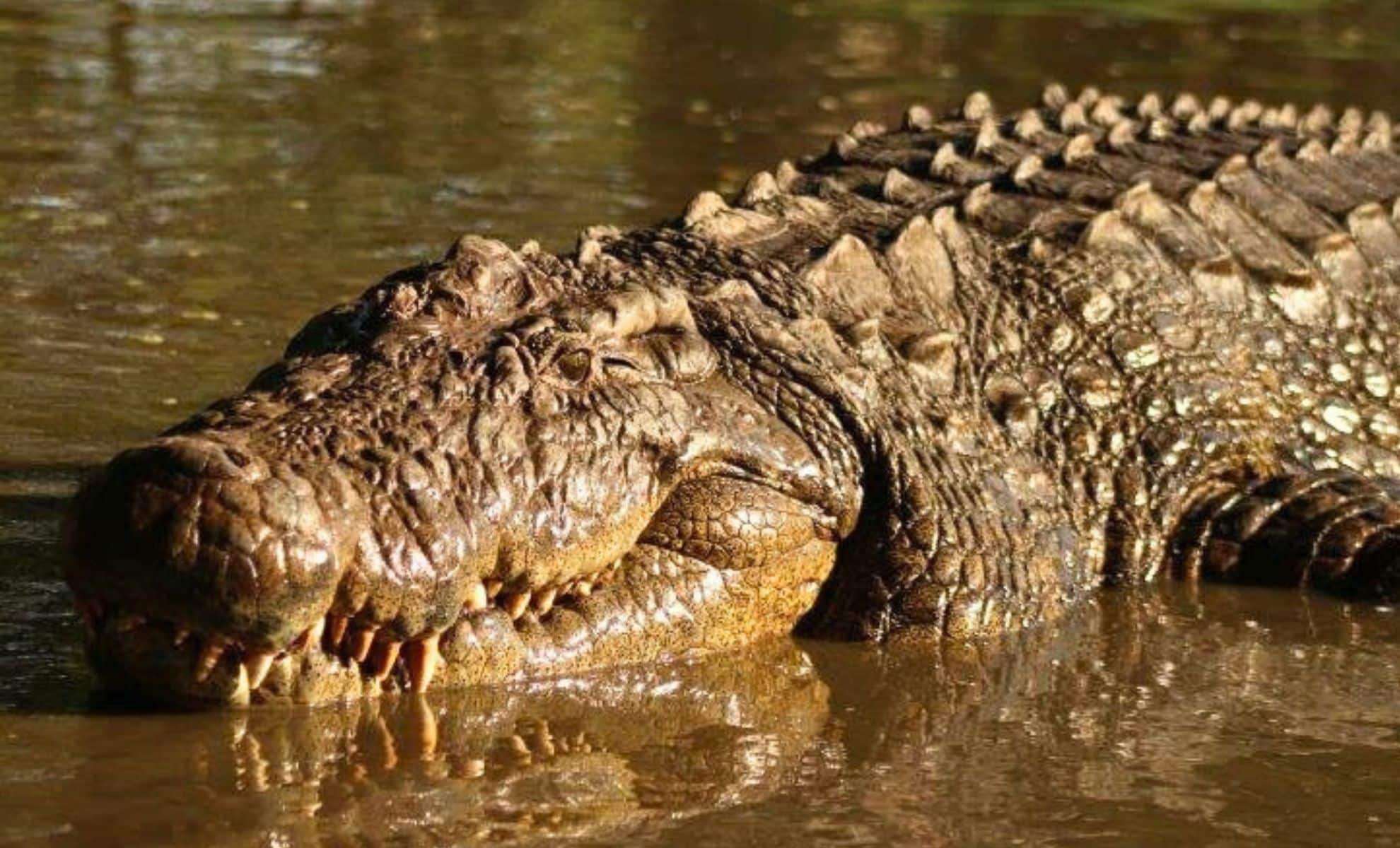
Henry, a Nile crocodile aged an astounding 124 years, continues to astonish from his residence at the Crocworld Conservation Centre in Scottburgh, South Africa. Celebrating his birth anniversary on December 16, Henry holds the title of the world’s oldest known crocodile, showcasing a century-plus of endurance, vigor, and prolific breeding.
Originally captured from the Okavango Delta back in 1903, Henry is credited with siring close to 10,000 descendants, underlining his exceptional reproductive capacity. Measuring 16.4 feet (5 meters) and tipping the scales at 1,540 pounds (0.7 ton), he stands as an extraordinary example of longevity in wildlife.
A Crocodile That Shows No Signs of Aging
Scientists such as Steven Austad from the University of Alabama confirm that while Henry’s lifespan is impressive, such ages can be expected in crocodiles under the right conditions. “Reaching 124 years is entirely plausible for a crocodile,” Austad stated, explaining the biological mechanisms that enable reptiles like Henry to circumvent common aging processes.

Crocodiles benefit from continuous growth throughout their lives combined with a slow metabolic rate and dependence on ambient temperatures for thermoregulation. These adaptations help lower energy expenditure and minimize cellular damage, contributing significantly to their extended lifespans.
Important Details About Henry and His Habitat
- Home: Crocworld Conservation Centre, Scottburgh, South Africa
- Origin: 1903, Okavango Delta
- Size: 16.4 feet (5 m) long, weighing 1,540 pounds (0.7 ton)
- Progeny: Estimated over 10,000 offspring
Crocodiles’ Immune Systems: Nature’s Super Defenses
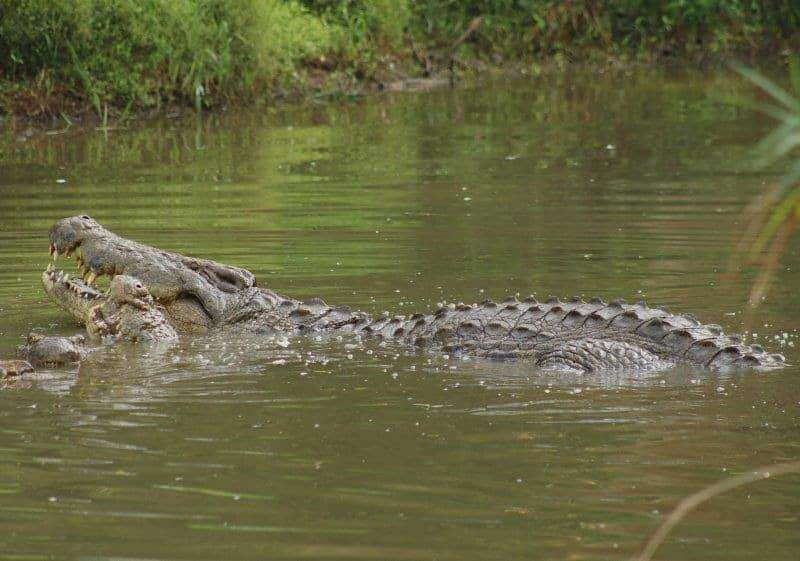
Crocodilians like Henry possess an exceptionally robust immune system that helps maintain their health despite exposure to environments rich in harmful pathogens. Studies indicate that the blood of Nile crocodiles contains potent proteins that act as natural antibiotics. These compounds support infection resistance, accelerate healing, and stimulate rapid white blood cell production when faced with threats.
Research has demonstrated an accelerated immune reaction in crocodiles — with white blood cell counts surging within an hour of bacterial detection. Additionally, their gut microbiota is believed to play a vital role in sustaining their health by bolstering immunity and supporting resilience.
Endurance Across Millennia: The Evolutionary Journey of Crocodiles
Henry’s longevity reflects the broader narrative of crocodilians’ incredible evolutionary durability. Having roamed the Earth for over 200 million years, they have outlasted numerous mass extinction events that eliminated many other species, including the dinosaurs. Their capacity to thrive amid dramatic environmental shifts remains unmatched.
Thanks to cutting-edge technology, scientists can now explore crocodilian genomes, proteins, and microbiomes with extraordinary depth. This expanding knowledge base promises breakthroughs in combating antibiotic resistance and enhancing wound care, potentially revolutionizing medical treatment.
The Scientific and Conservation Significance of Henry’s Story
Henry’s exceptional lifespan underscores the critical importance of safeguarding elderly wildlife. Establishments like Crocworld are pivotal for preserving biological diversity while providing invaluable insights into longevity that could inspire novel healthcare innovations.
By conserving iconic animals like Henry and delving deeper into their unique biological traits, we stand to unlock transformative knowledge with the potential to advance medicine and our overall comprehension of life.





0 comments
Sign in to Comment