
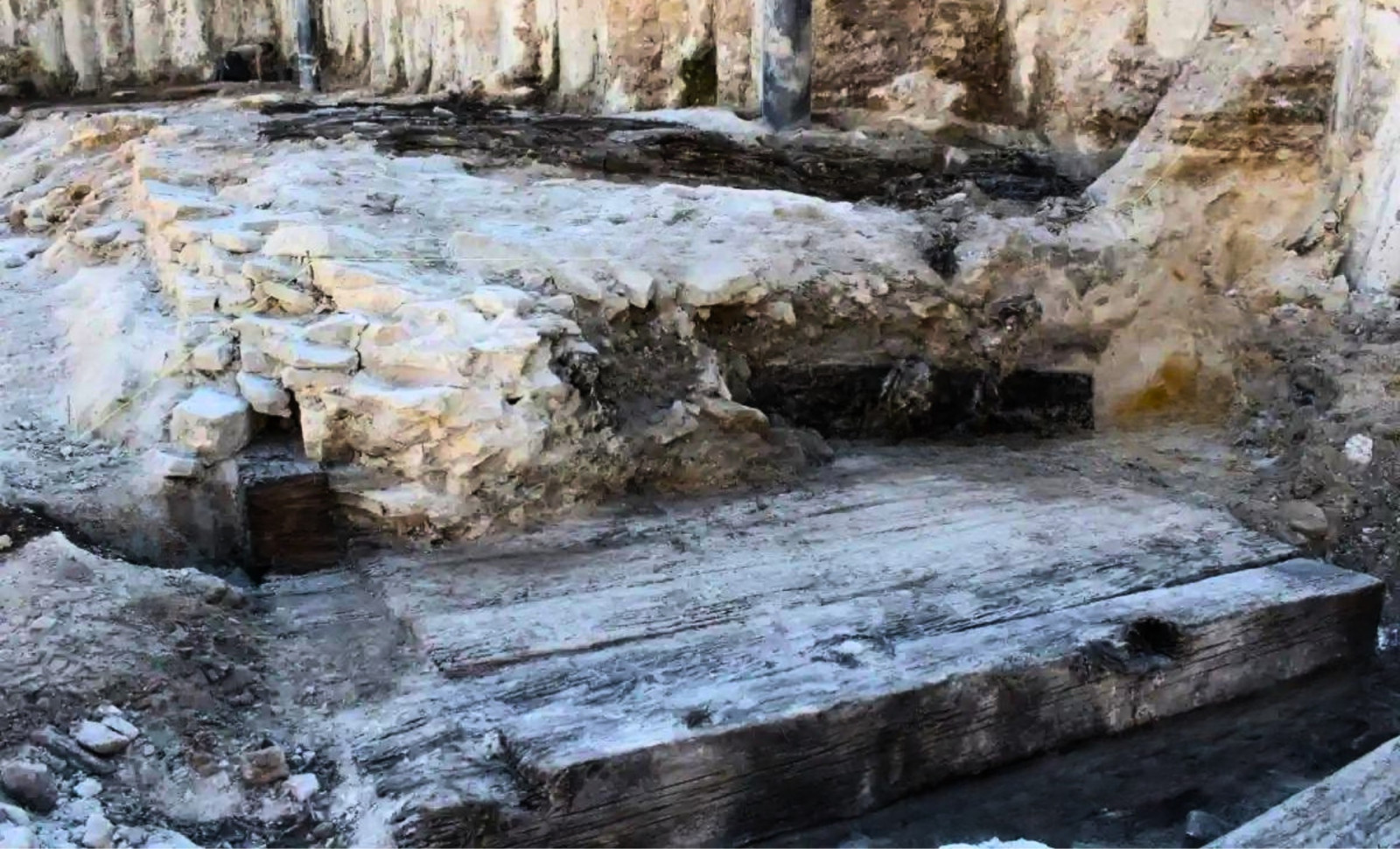
In March 2026, construction workers excavating nearly eight meters beneath Aschaffenburg, Bavaria, stumbled upon a remarkable archaeological treasure. While digging for a stormwater overflow basin near the Willigis Bridge by the Main River, they uncovered exceptionally well-preserved wooden remains. This prompted the Bayerisches Landesamt für Denkmalpflege (BLfD), Bavaria’s heritage authority, to initiate urgent archaeological investigations.
Initially thought to date from the early modern era, the discovery was soon revealed to be far older. Scientific testing confirmed the oak timbers originated in the 4th century BCE, placing them squarely within the Early La Tène phase of the Iron Age—more than 2,300 years ago.
Remarkably Preserved Wood Conceals Its Ancient Origin
The wood’s fresh condition initially misled researchers, as the wet soil close to the riverbank had kept the oak beams extraordinarily intact for millennia. This preservation made them appear newer than they actually were. Samples were subsequently sent to a dendrochronology lab in Thierhaupten for precise dating analysis.

Experts conducted detailed dendrochronological tests and compared results against regional oak chronologies. The confirmation was unequivocal. As stated in the official BLfD announcement from May 20, 2026, the oak used was felled in the 4th century BCE, an entirely unexpected finding for the team.
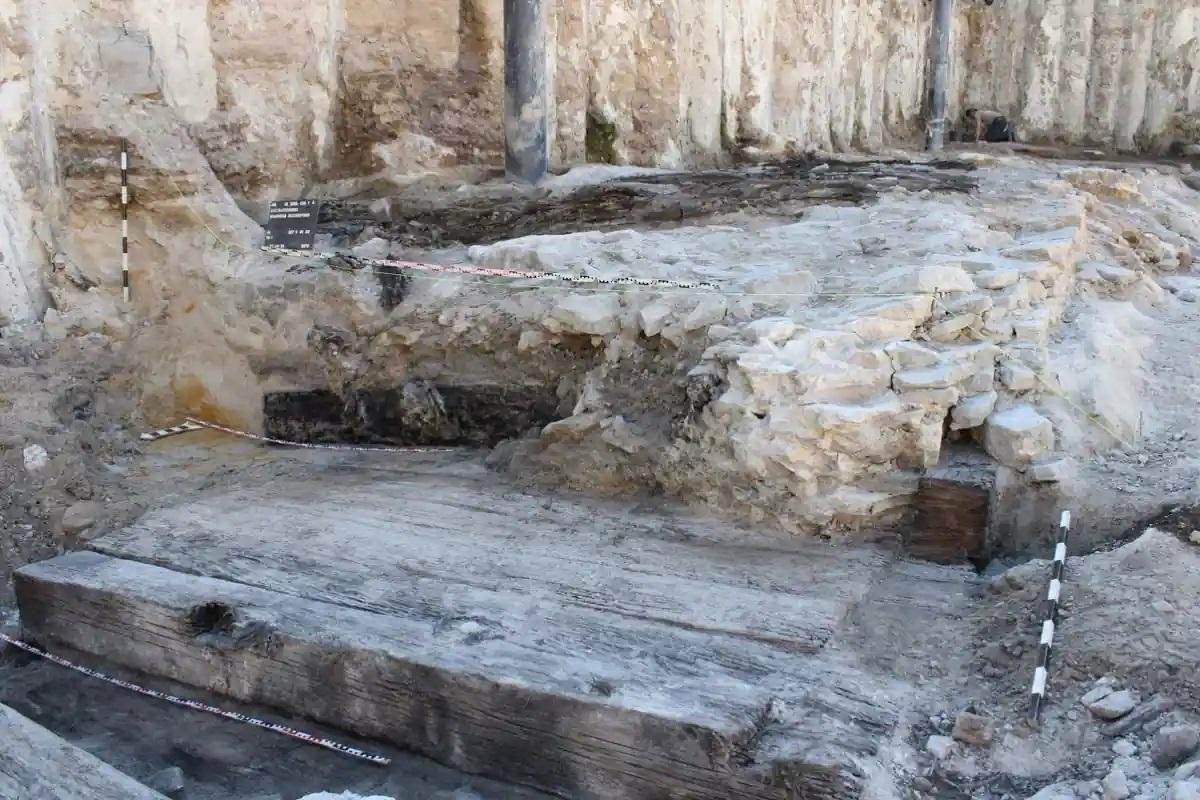
The BLfD, representing Bavaria’s Free State, is funding the excavation, documentation, and preservation efforts. Since the zone wasn’t previously known for archaeological significance, building permits had been granted before the discovery.
Large Oak Beams and Stonework Reveal an Uncommon Construction Style
Preliminary digs uncovered a sophisticated structure made from massive oak beams, arranged in an advanced design. The side facing the river is capped with a dry-stone wall directed towards the Main River.
This timber-and-stone combination sets the site apart from other Iron Age finds in the region. Dr. Stefanie Berg, head of BLfD’s archaeological conservation, explained that Iron Age stone masonry remains are exceptionally rare and usually linked to defensive walls with post slots. The Aschaffenburg structure defies these classifications, and its purpose has yet to be determined.
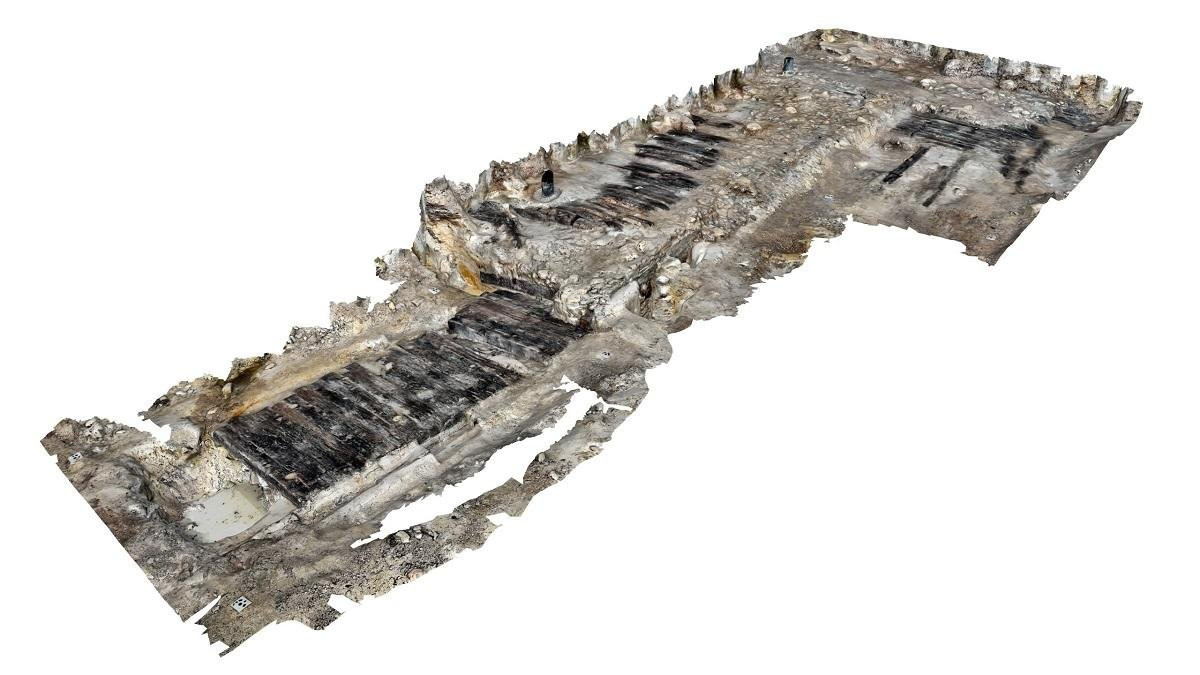
“Its placement on the Main riverbank, excellent preservation, distinct timber-stone construction, and Iron Age origin make this an unparalleled discovery,” Dr. Berg noted in the press release.
Prior Artifacts Suggested a Prosperous Iron Age Community
This finding builds on previous fragmentary evidence of an Early La Tène settlement lying beneath today’s Aschaffenburg old town.
Earlier discoveries included an animal-head fibula and a gold ring, implying a society with access to luxurious goods. Though isolated traces of structures existed, researchers hadn’t yet established links to a broader settlement.
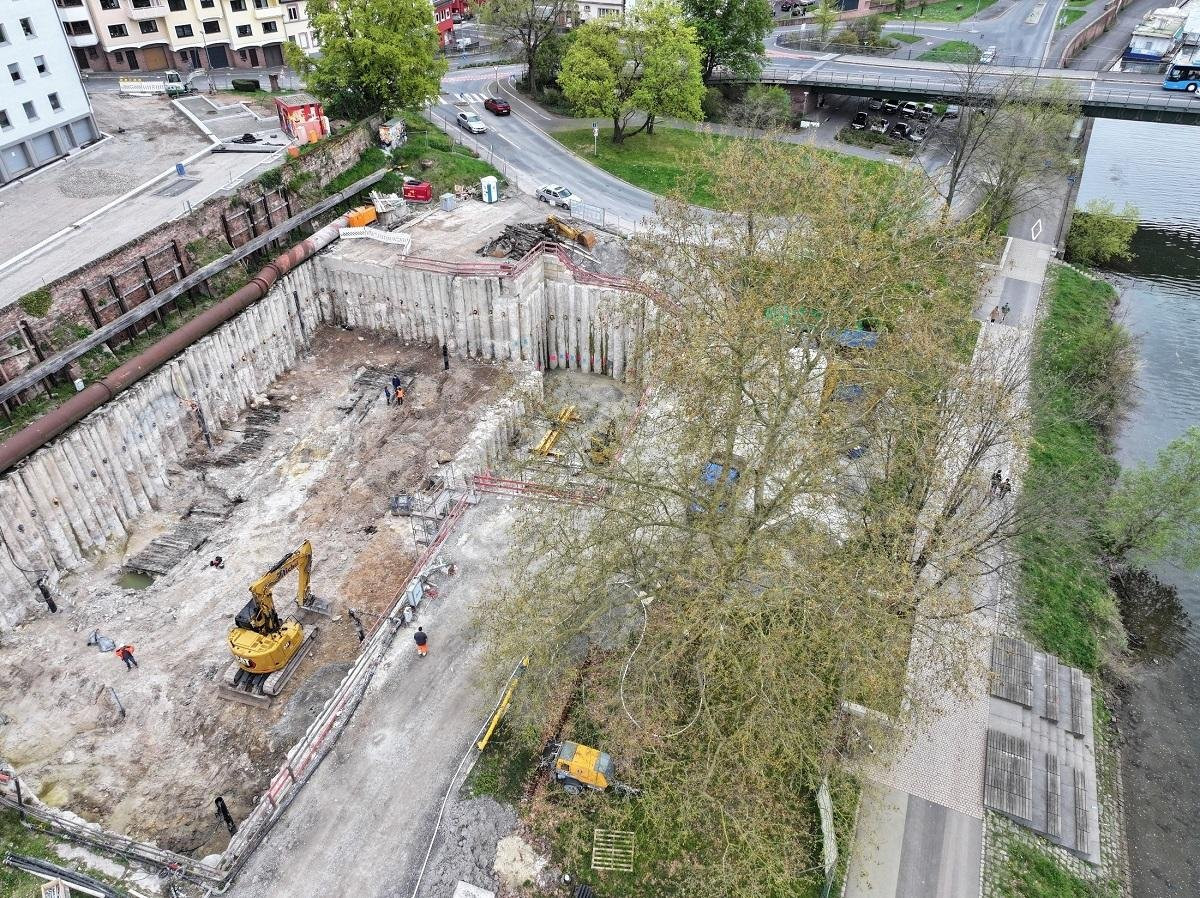
These finds led archaeologists to hypothesize that the historic old town served as an Iron Age regional center. The recently uncovered riverbank structure is the most concrete evidence so far, though the exact layout of the La Tène settlement remains unclear.
The River as a Vital Link and the Significance of the Structure’s Position
Researchers emphasize the find’s location on the Main River is crucial. Rivers during the Iron Age were essential pathways for exchange, travel, and communication. The substantial, high-quality riverside construction implies the inhabitants actively engaged the river for economic, strategic, or ritualistic reasons.
The BLfD continues to investigate the building’s role. On-going excavation and scientific analysis are expected to shed light on the structure’s function and the broader ancient habitation history of Aschaffenburg during the Iron Age.
Extensive Investigation Continues Deep Below Ground
Excavation progresses under complex conditions, with the construction pit reaching depths up to ten meters. This necessitates close teamwork between archaeologists, engineers, and local authorities to ensure safety and preserve data throughout the infrastructure work.
The BLfD has developed precise 3D models using photographic and scanning technologies. Many timbers remain embedded within riverbank sediments for further lab examination. Archaeological teams are diligently uncovering and documenting the full scope of the site.
According to the Archaeology Magazine, researchers anticipate that ongoing study will clarify this structure’s purpose and offer new insights into how Iron Age communities were organized along the Main River valley more than two millennia ago.
- Categories:
- Science








0 comments
Sign in to Comment