

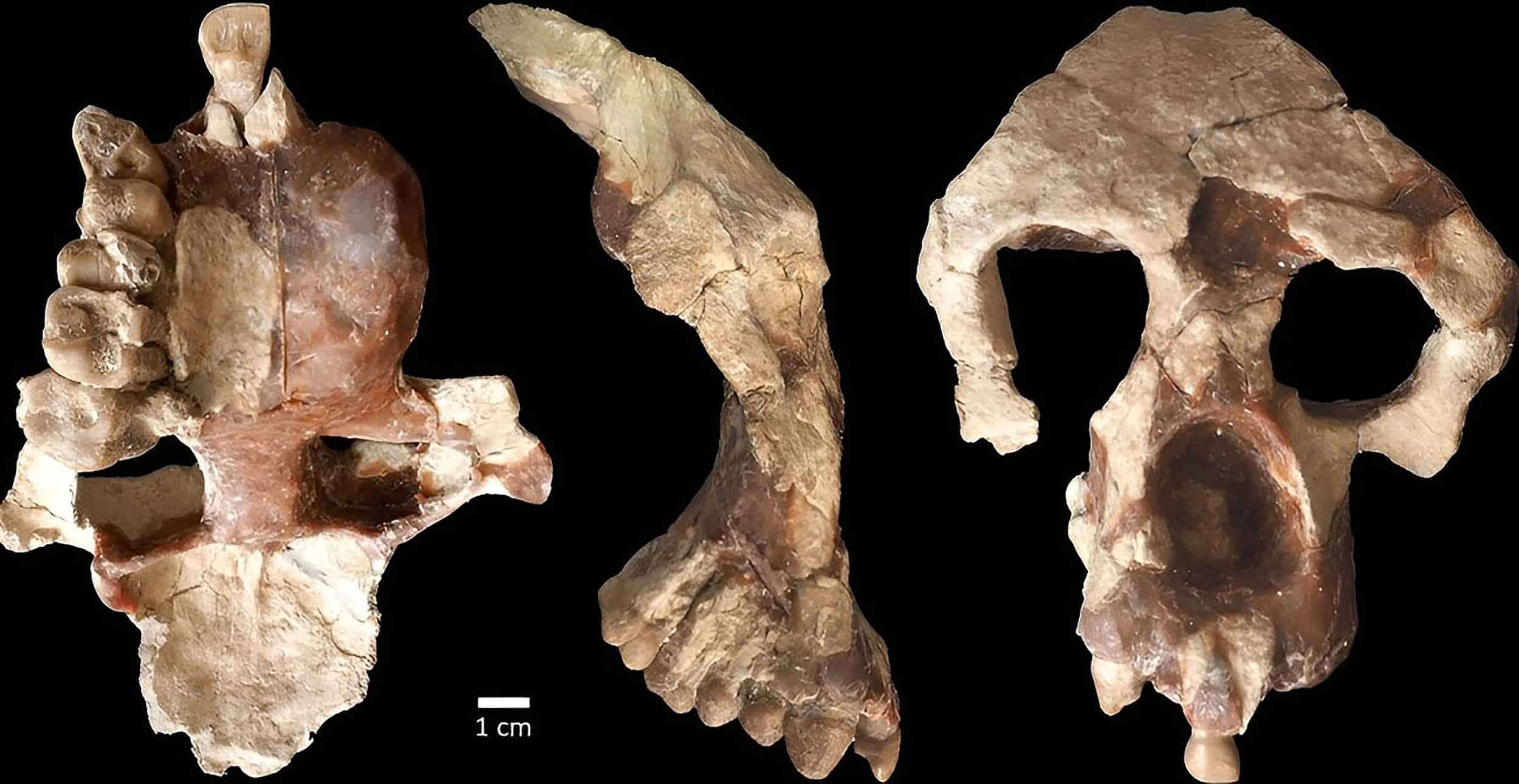
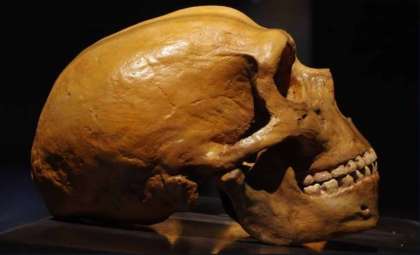
Scientists are reexamining the theory that humanity's ancestors arose solely in Africa after unearthing a partial cranium of a new fossil ape species, Anadoluvius turkae, in Central Anatolia, Türkiye. This specimen, dated to roughly 8.7 million years ago, hints that early hominins may have first evolved in Europe before migrating to the African continent.
Breakthrough Discovery at the Çorakyerler Fossil Site
Discovered in 2015 at the Çorakyerler site with aid from Türkiye’s Ministry of Culture and Tourism, this well-preserved fossil was examined by a team led by Professor David Begun of the University of Toronto and Professor Ayla Sevim Erol of Ankara University. The intact nature of the cranium allowed extensive evolutionary assessments.
Professor Begun commented, “The fossil’s near completeness enabled us to apply a comprehensive analysis incorporating numerous traits fed into a computational model for determining evolutionary relationships.” The fossil comprises much of the face and the frontal braincase, offering crucial data about the species’ morphology.

Published in Communications Biology, the research places Anadoluvius turkae within a cluster of Mediterranean apes closely linked to early hominins. These apes might have originated in Europe and later dispersed into Africa between nine and seven million years ago amid environmental shifts.
Traits of Anadoluvius Turkae
This specimen indicates that Anadoluvius turkae was a sizable ape, estimated to weigh between 50 and 60 kilograms, similar in size to a modern adult male chimpanzee. Its robust jaws and heavily enameled teeth suggest a diet suited to tough, terrestrial vegetation like roots and rhizomes.
Professor Sevim Erol highlighted that Anadoluvius turkae probably inhabited open, arid woodland environments, more akin to African savannahs rather than the dense forests favored by present-day great apes. The ecosystem also included giraffes, rhinos, zebras, and lion-like predators, animals reminiscent of those populating Africa today.
Revisiting Human Evolutionary Models
This finding poses a challenge to the conventional “Out of Africa” hypothesis, which holds that human ancestors developed exclusively on the African continent. Instead, the evidence supports the possibility that early hominins originated in Europe and migrated to Africa alongside other Mediterranean species during the late Miocene epoch.
Other fossil discoveries such as Ouranopithecus from Greece and Graecopithecus from Bulgaria strengthen this theory. Professor Begun explained, “The group to which Anadoluvius turkae belongs is currently known only from European and Anatolian sites.” The lack of African fossils older than seven million years contrasts with the numerous remains found in Europe and Anatolia from earlier periods.
Future Research Directions and Open Questions
Although ground-breaking, the discovery of Anadoluvius turkae alone cannot conclusively trace human ancestor origins to Europe. More fossil evidence from both continents, particularly dating from eight to seven million years ago, is necessary to clarify evolutionary links.
Professor Begun noted, “We must uncover additional fossils from Europe and Africa within this timeframe to confirm evolutionary connections between these populations.” This highlights the ongoing need for extensive fieldwork and collaborative research to deepen our understanding of hominin evolution.
Currently, this remarkable find adds weight to the theory that the Mediterranean region was integral to human evolutionary history, encouraging scientists to broaden their study beyond traditional geographic boundaries. With new fossil evidence, Anadoluvius turkae remains pivotal in debates regarding humanity’s earliest roots.
The full study is accessible in the journal Communications Biology.





0 comments
Sign in to Comment