

Excavations in Turkey have brought to light a remarkable artifact: a purchase list dating back around 3,500 years. Discovered at the historic site of Eski Alalah, this small cuneiform tablet offers a rare peek into daily commerce during the Bronze Age.
Originating from the 15th century BC and inscribed in Akkadian, an extinct language, the tablet emerged amid restoration efforts in the ancient city of Alalah, southeastern Turkey. What makes this find exceptional is its function as a shopping list—surviving millennia to tell a tale of ancient purchasing habits.
Early Writing and Record-Keeping in Ancient Societies
Cuneiform, among the earliest writing styles, played a crucial role in administration, as exemplified by this tablet. People of that era relied heavily on written records—not just casually listing items but systematically tracking transactions and resource management.

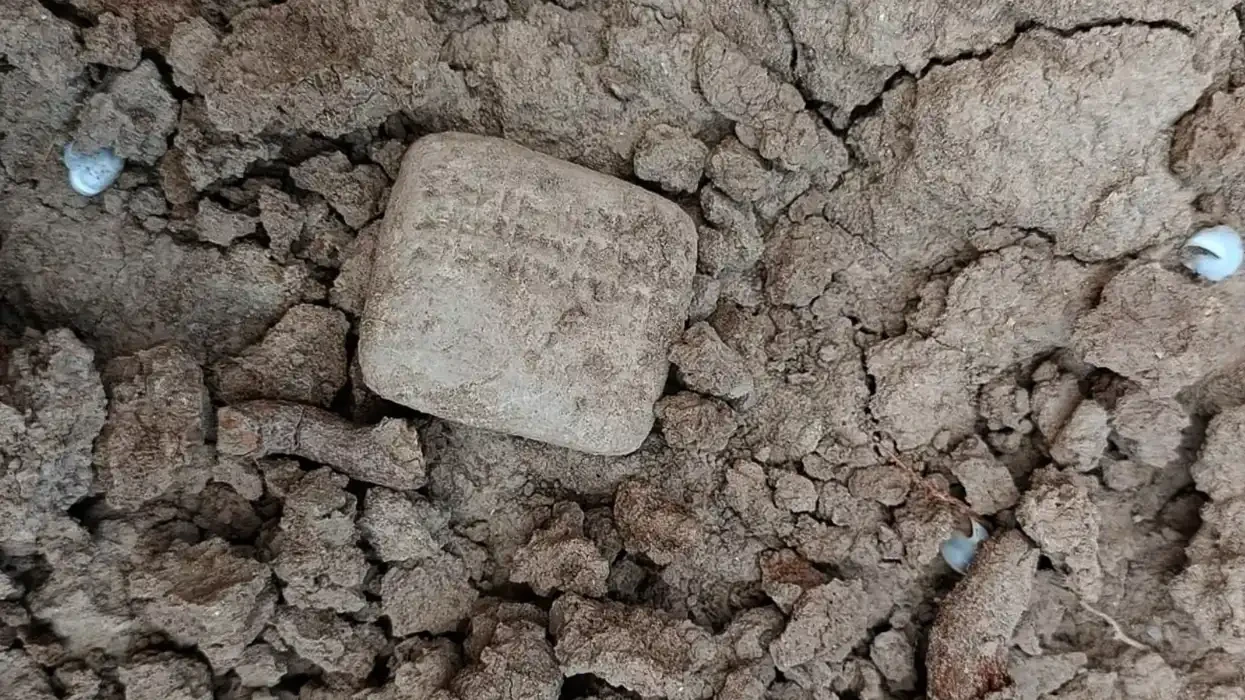
According to Live Science, the ledger mentions wooden furniture items like tables, chairs, and stools. While the exact procurement processes remain uncertain, the data reveals intriguing insights into the economic activities and possible trade networks of the time.
Details on the purchasers and sale locations further emphasize the meticulous record-keeping likely aimed at commercial or official oversight.
Insights Into Ancient Trade From a Simple Shopping Record
This seemingly modest artifact uncovers much about trade practices some three and a half millennia ago. Not only documenting furniture purchases, the tablet hints at how such goods circulated within and possibly beyond regional markets.
“This tablet is useful for understanding the economic structure and state system of the Late Bronze Age,” explained Mehmet Ersoy, Turkey’s minister of culture and tourism, in a translated statement.
The find provides evidence of an interconnected ancient economy, suggesting that even smaller urban centers participated in extended trade systems.
A Compact Relic With Significant Historical Value
The tablet’s physical dimensions—just 42 mm by 35 mm and 16 mm thick—and weight of 28 grams belie its cultural and historical importance. It is a densely packed record that has endured incredibly well through the centuries, offering a unique lens into the commerce, governance, and everyday routine of ancient peoples.
This artifact fills crucial gaps in our understanding of early civilizations, as pointed out by Mehmet Ersoy:
“We believe that this tablet, weighing 28 grams, will provide a new perspective in our understanding of the rich heritage of Anatolia for future generations,” he added.
- Categories:
- Trends

















0 comments
Sign in to Comment