
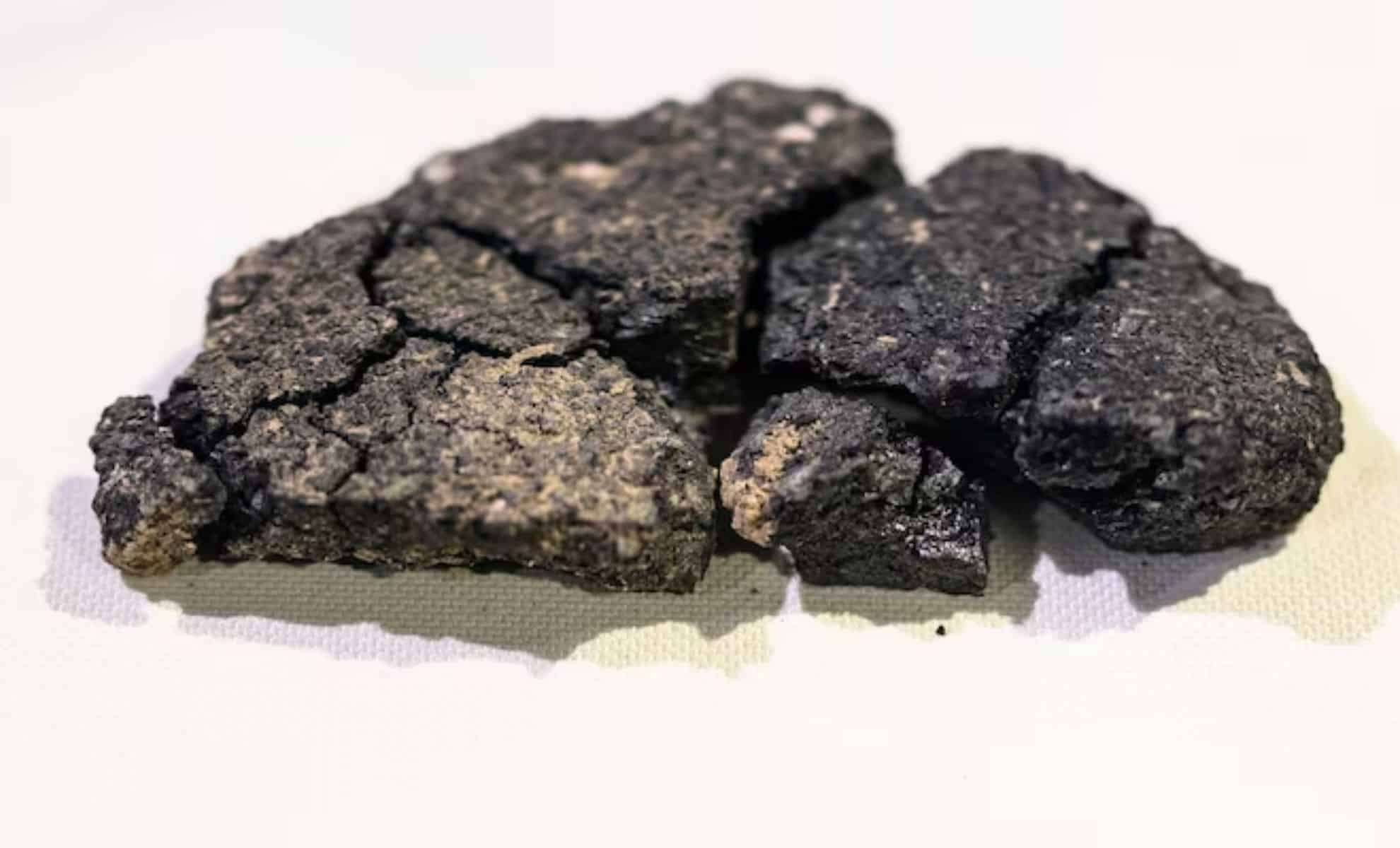
Researchers recently unearthed a prehistoric bread recipe from Turkey, which a local bakery has successfully recreated. This ancient loaf, dating back around 5,000 years, was found as a charred fragment beneath the entrance of a home in Eskisehir, situated in central Turkey.
The remarkable artifact emerged during an excavation in September 2024 at Kulluoba Hoyuk, a Bronze Age archaeological site that has been investigated for several decades.
A Millennia-Old Treasure Preserved Through Time
This bread fragment represents the oldest known baked bread ever recovered during an archaeological excavation, maintaining much of its original form. Murat Turkteki, the lead archaeologist on the project, described it as “the oldest baked bread to have come to light during an excavation, and it has largely preserved its shape.” The bread is flat and circular, approximately 5 inches (12.7 centimeters) across.

According to Gizmodo, scientific testing showed the bread was created using coarsely ground emmer wheat, an ancient grain once widely farmed but now seldom grown. Lentil seeds were blended in, contributing texture and added nutrition. Additionally, a specific plant leaf functioned as a natural leavening agent, allowing the dough to rise during baking. This combination reveals early culinary creativity using the natural resources available at the time.
Findings like this offer key insights into ancient diets, agricultural methods, and how early humans adjusted to their surroundings. Such discoveries are helping reshape our understanding of food history, demonstrating that sophisticated baking techniques existed long before today's practices.
Reviving an Ancient Recipe for Today’s Palate
Motivated by the discovery, local officials enlisted Halk Ekmek, a bakery in Eskisehir, to replicate the ancient recipe with modern ingredients. Since emmer wheat seeds are no longer commercially available in Turkey, bakers used Kavilca wheat, a closely related grain native to the region. To further replicate the original recipe, they added bulgur and lentils.
The bakery’s creation was an instant hit, with the inaugural batch of "Kulluoba bread" selling out within hours, signaling strong enthusiasm for this historic flavor. The bakery now produces about 300 loaves each day to meet demand.
Thanks to municipal support promoting cultural heritage and sustainable eating, the bread is sold at an accessible price of 50 Turkish lira (approximately $1.30).
Sustainable Farming Insights From Ancestors
Kavilca wheat, used as a substitute for the original emmer grain, is noted for its resistance to drought and diseases. This is highly relevant today, as many of Turkey's modern crops like corn and sunflowers demand significant water and are more vulnerable to climate stresses.
Mayor Ayse Unluce of Eskisehir emphasized the broader message, saying, “Our ancestors are imparting wisdom. We ought to follow their example by shifting toward crops requiring less water.” With droughts becoming increasingly frequent due to climate change, adopting resilient crops such as Kavilca wheat could help conserve water and bolster food security in sensitive regions.
Since March 28, the original bread has been on display at the Eskişehir Archaeological Museum, drawing visitors eager to see this extraordinary piece of ancient culinary history.
- Categories:
- News









0 comments
Sign in to Comment