
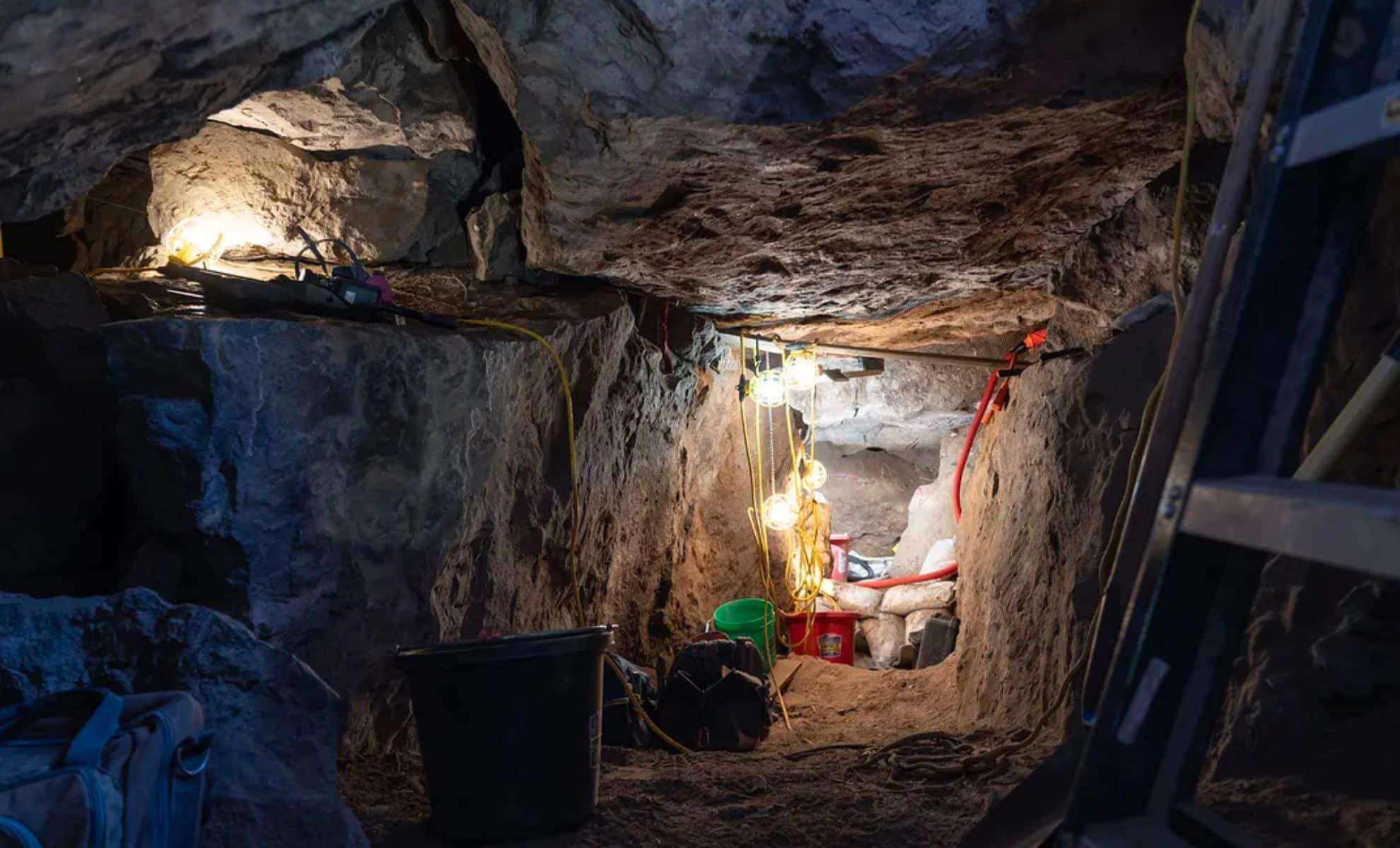
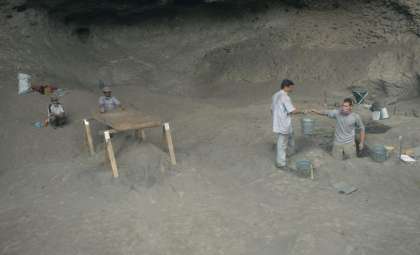
In a remarkable find from western Texas, archaeologists have uncovered what could be the oldest hunting equipment ever documented in North America. These items, dating back nearly 7,000 years, were discovered inside the San Esteban Rockshelter close to Marfa, Texas.
Insights into Ancient Habitation
Preserved undisturbed for millennia, the shelter appears to have been a resting place where an early hunter arranged his gear, leaving behind some broken implements. The artifacts emerged exceptionally well-preserved, offering a rare glimpse into the past.
“Seeing these objects firsthand was awe-inspiring,” explained Bryon Schroeder, director of the Center for Big Bend Studies at Sul Ross State University. “It transforms our understanding by reminding us that these were real people with real lives.”

The ongoing excavation is part of the Odyssey Archaeological Research program at the University of Kansas, in partnership with the Center for Big Bend Studies. Since their initial discovery in 2020, the team has made continuous efforts to recover artifacts each year.
Remarkable Finds from the Shelter
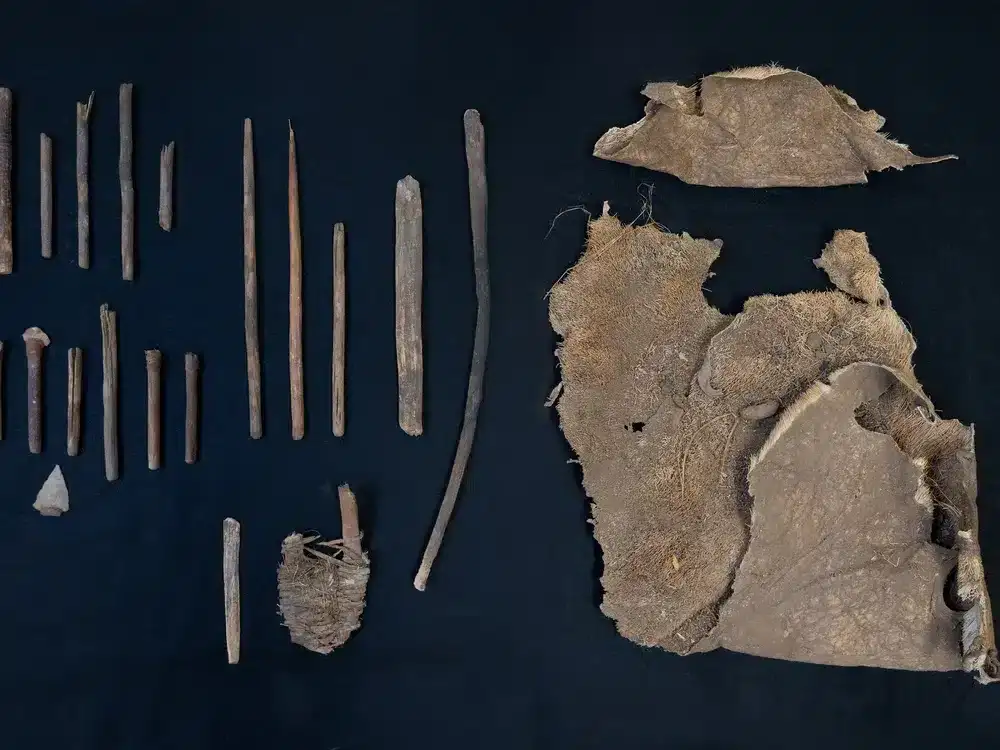
Among the extraordinary discoveries is a spear-throwing device known as an atlatl, believed to be the oldest of its kind in North America.
“Our research indicates this atlatl dates back almost 7,000 years,” noted the authors in a 2023 study. This makes it the earliest known spear-thrower on the continent.
What’s even more extraordinary is that some animal hide associated with the tool still retains hair fibers, perfectly preserved over thousands of years. Schroeder recounted, “The hide was carefully folded and placed atop a rock, untouched for 6,000 years,” in remarks to Texas Parks and Wildlife.
While stone artifacts are prevalent in prehistoric assemblages, these findings also include tools made from organic materials like wood. James David Kilby, a specialist in hunter-gatherer societies at Texas State University, emphasized that “the combination of stone and organic tools highlights the complexity of these ancient groups’ technology.”
Ongoing Investigations and Cultural Collaboration
Although the research team has made exciting progress cataloging these finds, further analyses are underway to determine if all recovered tools originate from the same assemblage or represent multiple time periods. The archaeologists are also working closely with Indigenous communities to obtain necessary permissions for biochemical testing of nearby human waste remains.
The goal is to deepen understanding of how early hunter-gatherer societies lived and functioned. Schroeder commented, “If these items truly belong together as a single kit, it would mark a groundbreaking discovery.”
The ongoing efforts aim to enrich our knowledge of prehistoric technology, illustrating how early humans adapted and prospered in demanding environments thousands of years ago.
- Categories:
- News









0 comments
Sign in to Comment