
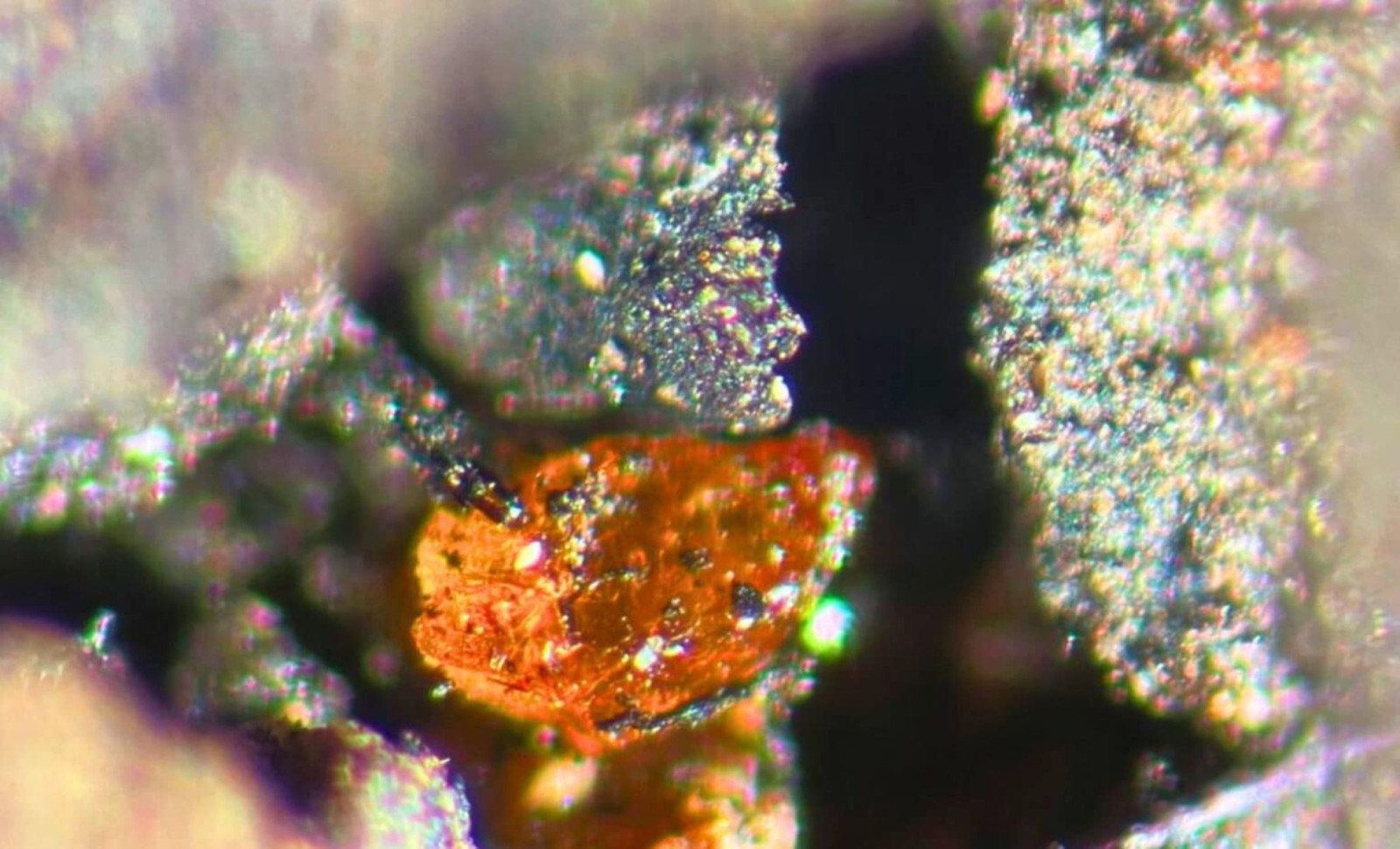
A tiny amber shard discovered in West Antarctica is shifting scientific views on the continent's ancient environment. Retrieved from the Pine Island Trough, this piece reveals that trees producing resin once thrived near the South Pole.
Dating between 83 and 92 million years ago during the mid-Cretaceous period, the amber offers a rare glimpse into a time when Antarctica was blanketed by lush forests, vastly unlike its current icy state.
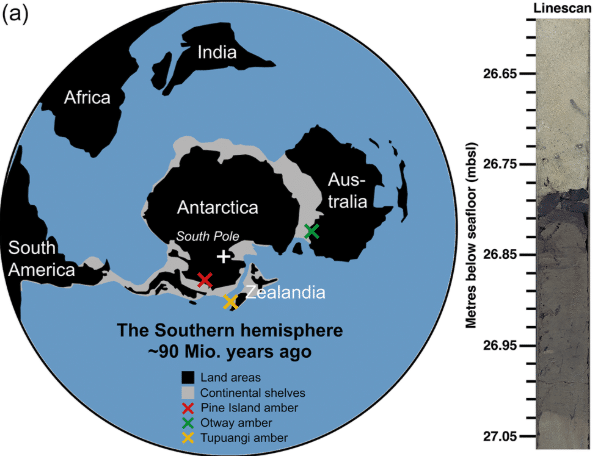
Named Pine Island amber, the sample was procured in 2017 aboard the research vessel RV Polarstern using the MARUM-MeBo70 deep-sea drill to retrieve sediment cores from the Amundsen Sea Embayment. As reported in Antarctic Science, this marks the first verified amber find on the continent, highlighting the discovery’s significance.

Polar Region’s Oldest Amber Discovery
The Antarctic amber fill gaps in the fossil record, extending the southernmost known amber deposits beyond the mid-Cretaceous finds in southern Australia and New Zealand.
Led by Dr. Johann Klages from the University of Bremen, the team’s findings, published in Antarctic Science, confirm that resin-producing trees once flourished under polar climates.
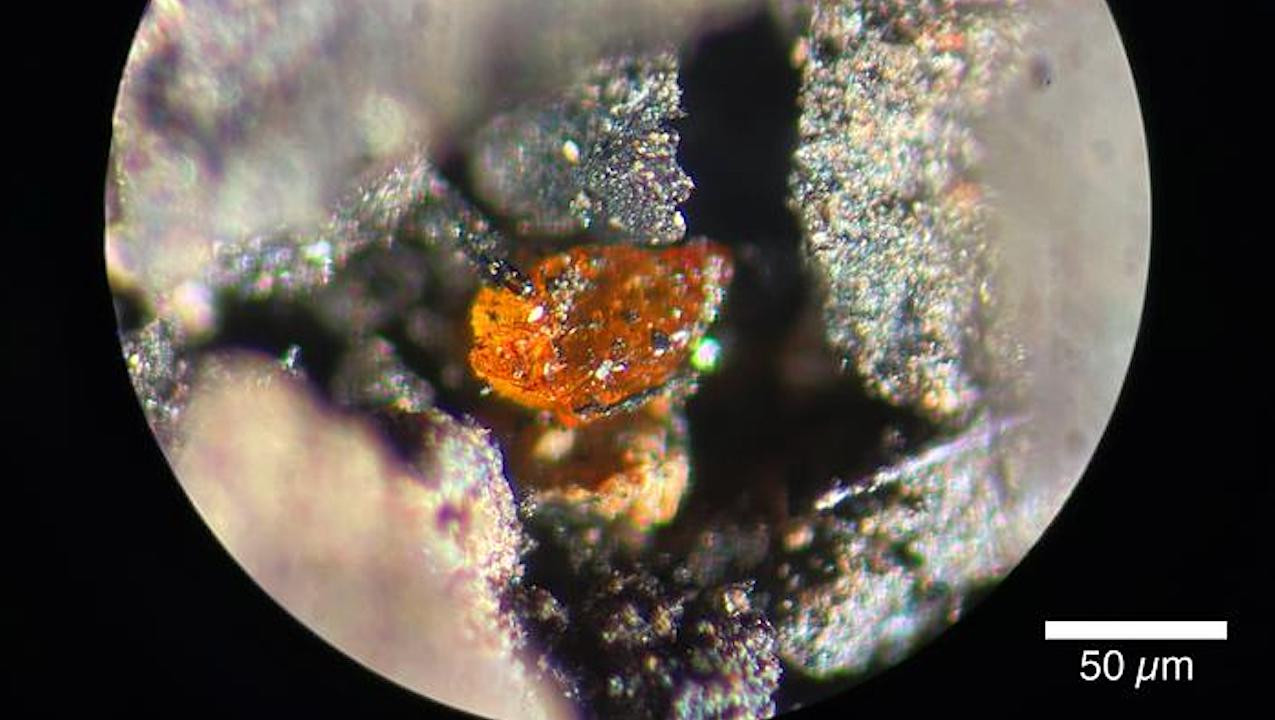
The fossilized amber was obtained from the mid-shelf portion of the trough, an area known for preserving ancient sediments. The challenging deep-sea drilling conditions in Antarctica underscore the importance of this remarkable find.
Long-Lost Polar Forests Revealed
Amber originates from plant resin, predominantly emitted by gymnosperm trees. Dr. Klages explained that resin consists of lipid-soluble compounds capable of fossilizing under favorable conditions.
“Some plant resins are able to fossilize under certain conditions and get preserved in the geological record as amber,” he said.
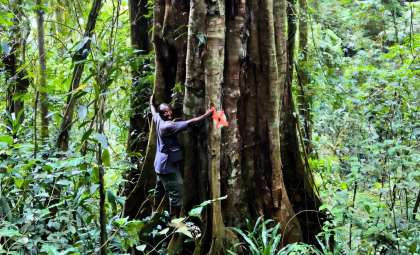
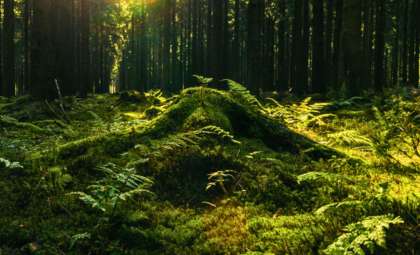
The sample suggests that Antarctica once supported swampy, conifer-rich temperate rainforests close to the South Pole. Though surprising, this aligns with other data indicating considerably warmer climates during the mid-Cretaceous, allowing forests to grow at high latitudes.
“The Antarctic amber likely contains remains of original tree bark as micro-inclusions,” as co-author Dr. Henny Gerschel, a scientist at the Saxon State Office for the Environment, Agriculture and Geology, stated.
Microscopic Clues Hidden Within Amber
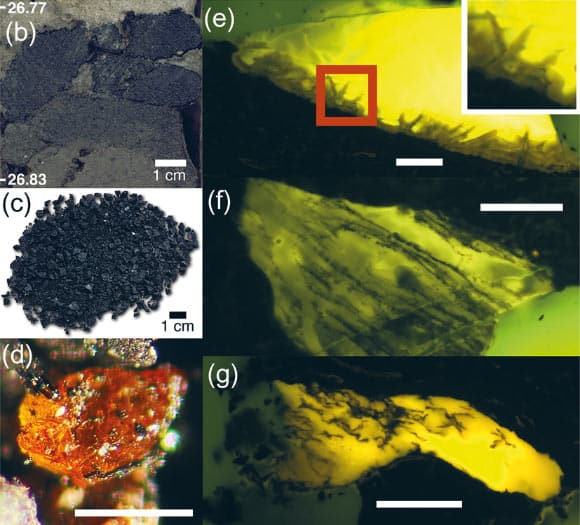
The amber fragment includes both transparent and translucent particles, indicating excellent preservation. Dr. Gerschel suggested that shallow burial shielded the resin from damaging heat and pressure.
Researchers found evidence of pathological resin flow, a defense mechanism triggered by tree injuries due to parasites or wildfires. This resin secretion repairs bark and can trap various materials within.
These preserved details are vital since amber acts as a geological time capsule, with even tiny fragments providing insights into their formation environment.
“It was very exciting to realize that, at some point in their history, all seven continents had climatic conditions allowing resin-producing trees to survive,” Dr. Klages said. “Our goal now is to learn more about the forest ecosystem — if it burned down, if we can find traces of life included in the amber. This discovery allows a journey to the past in yet another more direct way.”
- Categories:
- Science


0 comments
Sign in to Comment