
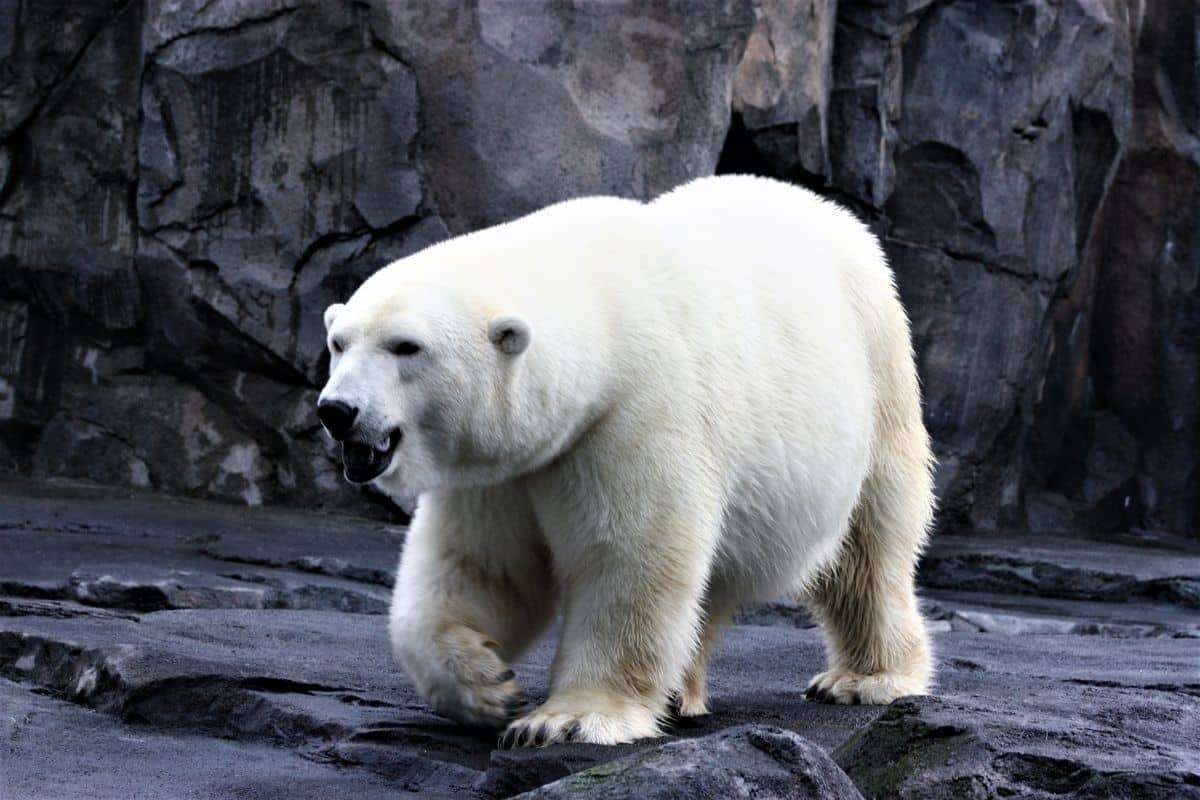
Recent studies of fossils from Scotland’s Bone Caves indicate that polar bears may have lived in the area during the last Ice Age. Researchers from the National Museum of Scotland, in collaboration with Aberdeen and Edinburgh Universities, have reanalyzed bones uncovered in 2009 using state-of-the-art DNA sequencing and radiocarbon dating techniques.
Unveiling Scotland’s Bone Caves and Ice Age Creatures
The Bone Caves at Inchnadamph, situated in Assynt, are renowned archaeological sites that have yielded fossils of numerous Ice Age animals. These limestone caves have remarkably preserved animal remains for millennia, providing valuable evidence of Scotland’s ancient wildlife. The caves were initially discovered in 1889 when geologists explored the extensive underground chambers filled with bones.
Earlier investigations identified fossils from species like brown bears, lynxes, and reindeer, but some specimens were challenging to classify. In 1927, a bear skull found in the caves could not be definitively categorized as either a brown bear or a polar bear due to limited scientific methods at the time. Decades later, advanced DNA sequencing has finally helped clarify this long-standing question.

Cutting-Edge Methods Reveal New Details
Using improved radiocarbon dating and genetic analysis, scientists have not only established the age of the fossils but also gained insights into the diet of these prehistoric bears. Professor Kate Britton from the University of Aberdeen noted that several fossil samples displayed unique characteristics compared to other ancient bear species known from Scotland.
In contrast to brown bears that mainly ate terrestrial foods like plants, meat, and occasional fish, these fossils exhibited traits pointing to a marine-rich diet. This dietary pattern aligns with modern polar bears, which largely depend on seafood such as seals.
The similar feeding habits suggest these ancient bears were either ancestral polar bears or a closely related species adapted to the harsh, icy landscape of Ice Age Scotland.
Reconsidering Polar Bears’ Ancient Habitat
The idea that polar bears once inhabited Scotland’s frozen terrain thousands of years ago upends earlier views on their historical distribution. While current polar bear populations are confined to the Arctic region, their ancestors likely traversed across Europe and the North Atlantic, following icy coastlines.
During the last Ice Age, glaciers covered much of northern Scotland, creating environments conducive to polar bear survival. Discovering bears with seafood diets in this area supports the theory that ice-adapted predators could have thrived there.
Exploring the Ice Age Giants of Scotland
These revelations alter our perspective on how climate and environment influenced the spread of animal species in prehistoric times. If polar bears or closely related subspecies lived in Scotland, this prompts new questions about adaptations to shifting climates and the evolutionary trajectories of Ice Age fauna.
The research team intends to perform additional DNA studies to determine if these remains belong to true polar bears or a transitional form bridging brown bears and Arctic relatives. Results anticipated later this year could deepen understanding of one of the world’s most iconic ice age hunters.
- Categories:
- Science








0 comments
Sign in to Comment