
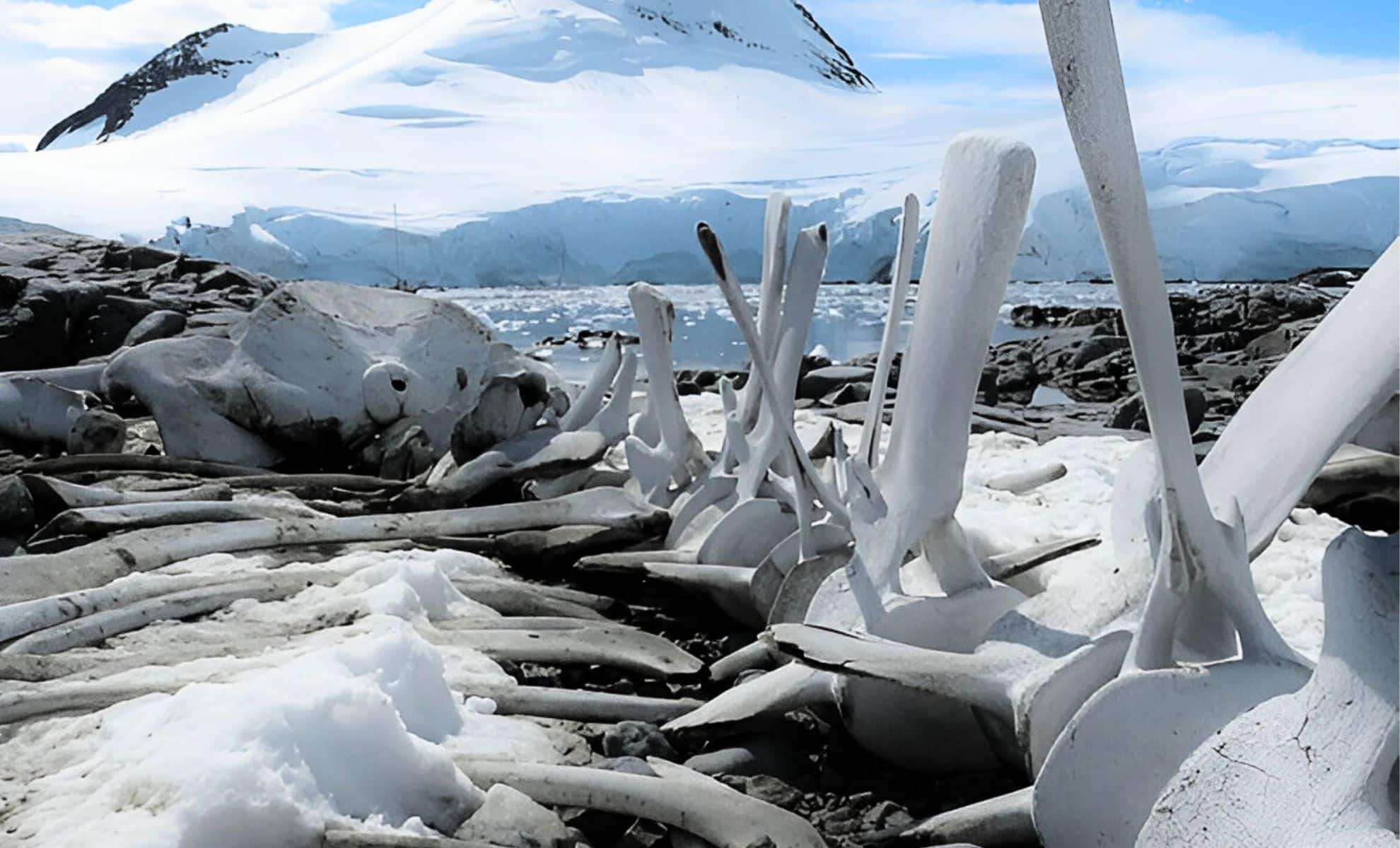
Approximately 120 million years past, the region now known as southern Australia sat well within the polar circle, engulfed in prolonged darkness and frigid winds rather than the mild climate it enjoys today. Yet, despite these rigorous conditions, life not only persisted but flourished. Recent findings published in the Australasian Journal of Palaeontology reveal how polar dinosaurs adapted to survive in this extreme environment.
Dinosaurs in a Polar Environment
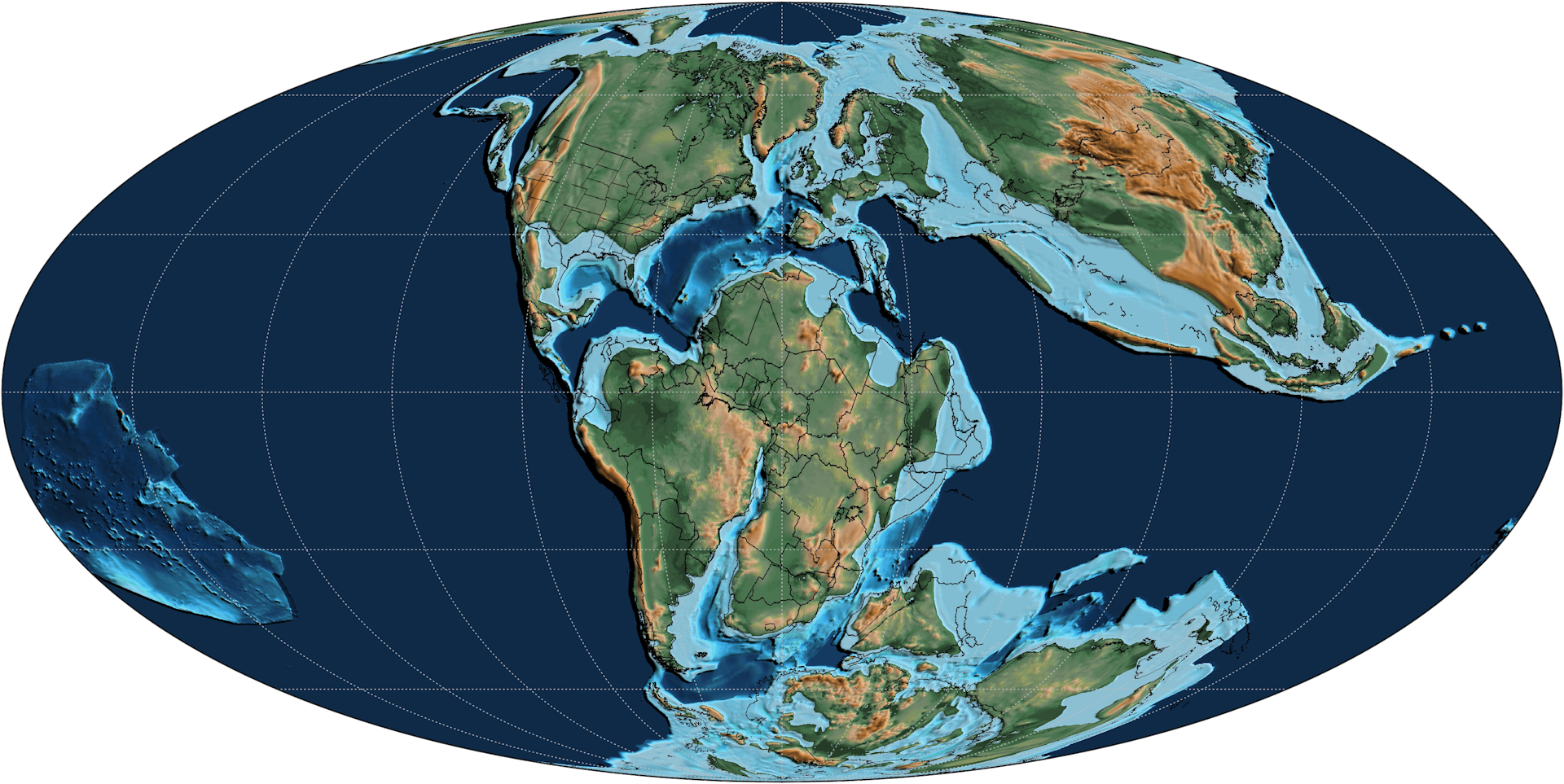
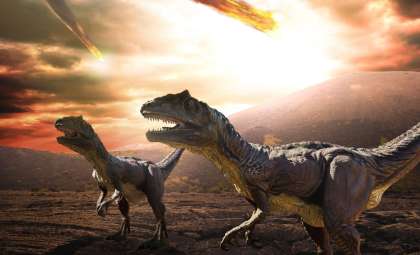
During the Early Cretaceous period, what is now southern Australia formed part of a supercontinent that included modern-day Antarctica. The area of present-day Victoria was positioned roughly 80 degrees south latitude, deep inside the polar circle. Despite harsh cold and months of uninterrupted darkness, a diverse group of dinosaurs roamed this land, whose fossil remains reveal details about this extraordinary ecosystem.
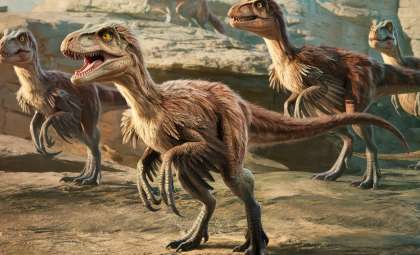
The dinosaur fauna included ornithopods, small plant-eating species with specialized beaks and teeth, alongside predominately carnivorous theropods, many sporting feathers. Vera Korasidis, environmental geoscience lecturer at the University of Melbourne and co-author of the study, explains, “Victoria, located within the polar circle at 80 degrees south, experienced extended periods of darkness for several months.”

Piecing Together an Ancient Ecosystem
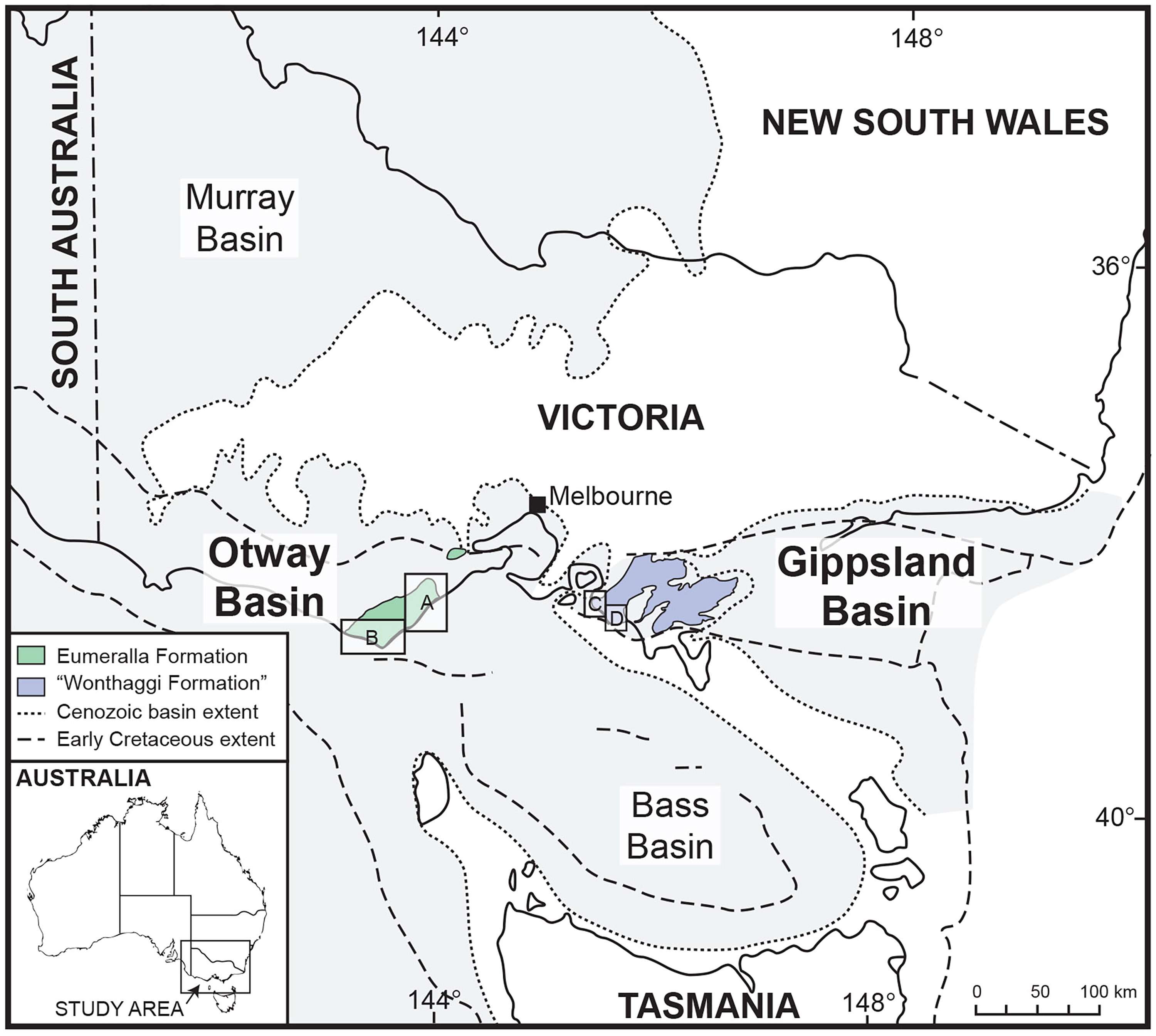
While scientists have long investigated dinosaur fossils from this region, new methods are offering insights into the surrounding environment these animals once inhabited. Through the analysis of microscopic pollen and spores, nearly 300 samples collected from 48 locations along Victoria’s coast have helped reconstruct plant life spanning 130 to 110 million years ago.
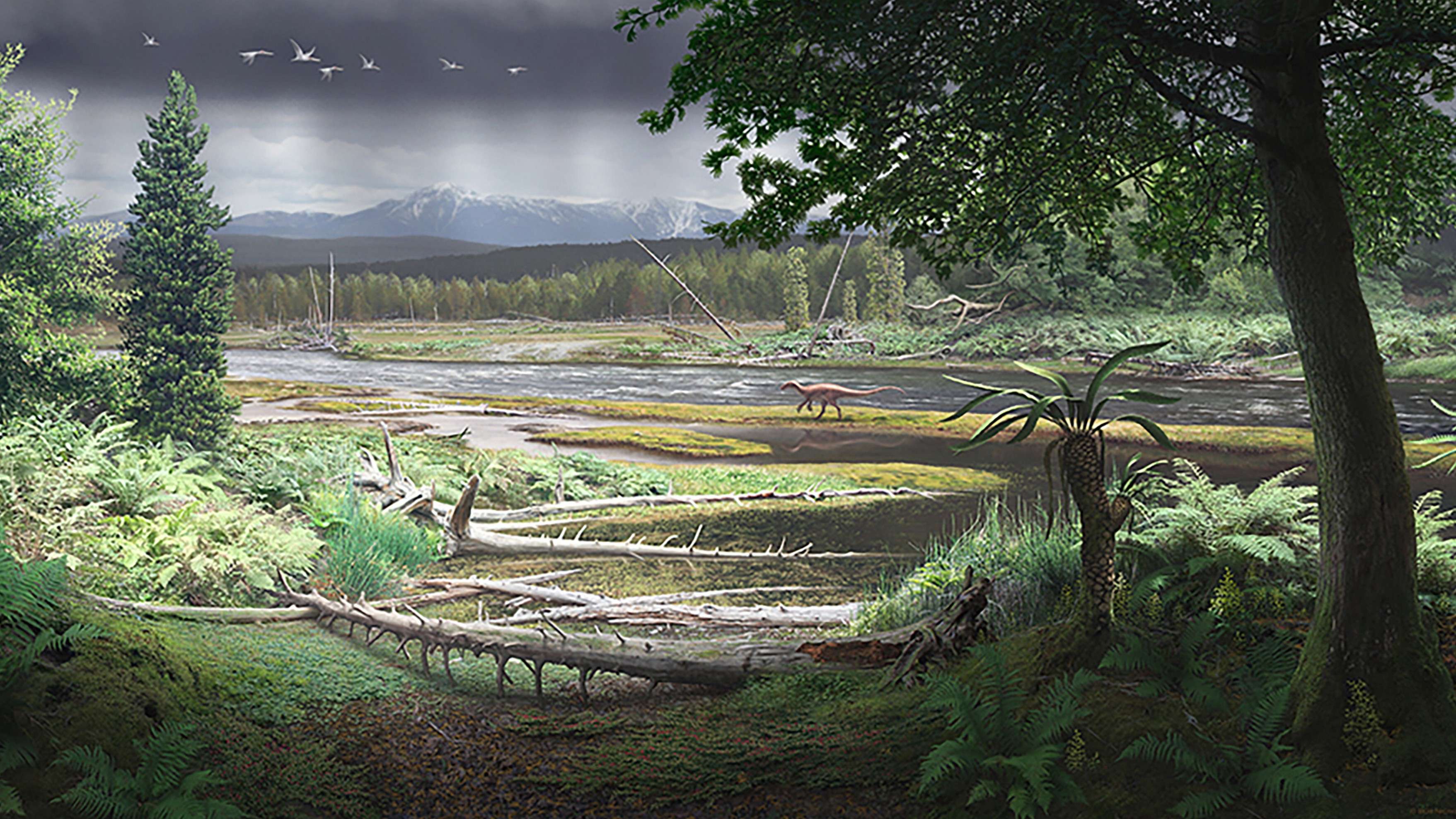
The results suggest a lush, cool-temperate forest dominated by tall conifer trees forming the upper strata, with a dense understory filled with early fern species such as scaly and forked ferns. Winding rivers traversed the landscape, enriching the soil and supporting a robust ecosystem for both plants and animals.
Flowering Plants Transform the Habitat
An important discovery from the investigation is the appearance of flowering plants around 113 million years ago. This emergence signaled a considerable ecological shift, as flowering species gradually replaced the dominant ferns and other ground-level plants. This transition would have altered the food sources available to herbivorous dinosaurs.
Barbara Wagstaff, a pollen specialist at the University of Melbourne who collaborated with Korasidis, notes that the rise of flowering plants triggered broader changes in forest dynamics. By roughly 100 million years ago, fern undergrowth diminished, making way for an open canopy dominated by conifers, with flowering plants and remaining ferns forming the forest floor.
These vegetative shifts align with global climatic changes during the period, as rising temperatures and elevated carbon dioxide concentrations created conditions favorable for the rapid expansion of flowering plants worldwide.
- Categories:
- Science



0 comments
Sign in to Comment