
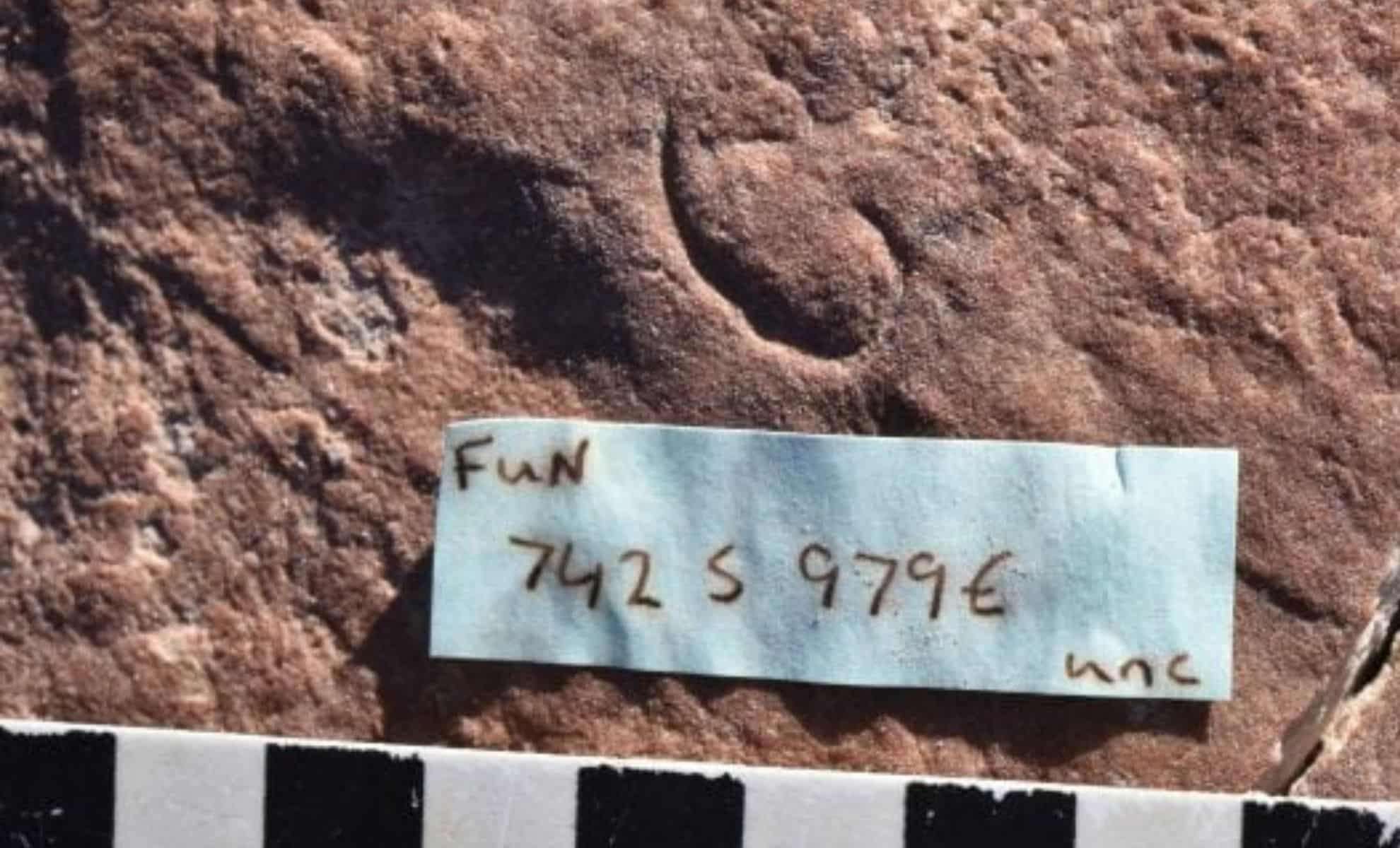
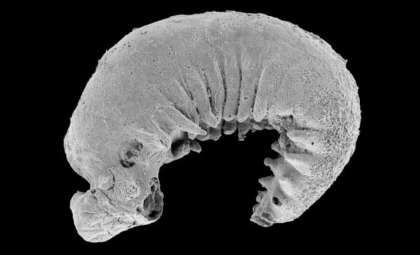
A remarkable fossil find from South Australia sheds light on one of evolution’s enduring puzzles. The 555-million-year-old worm-like creature, named Uncus dzaugisi, represents the earliest confirmed example of Ecdysozoa, a vast superphylum that includes present-day insects, crustaceans, and nematodes. Recovered from the Precambrian sandstone formations in Nilpena Ediacara National Park, this tiny fossil fills a crucial gap by providing tangible proof of Ecdysozoans before the Cambrian explosion.
This discovery emphasizes the complexity of Precambrian life, a period dominated by microbial mats and simple organisms. Featuring a tough cuticle and unique movement capabilities, Uncus dzaugisi offers insight into the evolutionary roots of a group that now represents the majority of animal species.
Filling a Missing Chapter in Evolutionary Records
Scientists have long struggled with the scarcity of Precambrian Ecdysozoan fossils. Molecular data hinted at their existence during this time, but firm fossil evidence was lacking until now. The well-preserved shape of Uncus dzaugisi confirms the presence of Ecdysozoans millions of years before the Cambrian burst of life.

“This is a truly exciting breakthrough,” said Ian Hughes, lead author and Harvard University doctoral candidate. “We know Ecdysozoans appear abundantly in Cambrian fossils, but until now, there was no solid proof they existed before then.”
The finding validates long-held theories and highlights the exceptional preservation conditions at Nilpena, where ancient sandstone captures fine details of early life.
The Remarkable Fossil Preservation at Nilpena
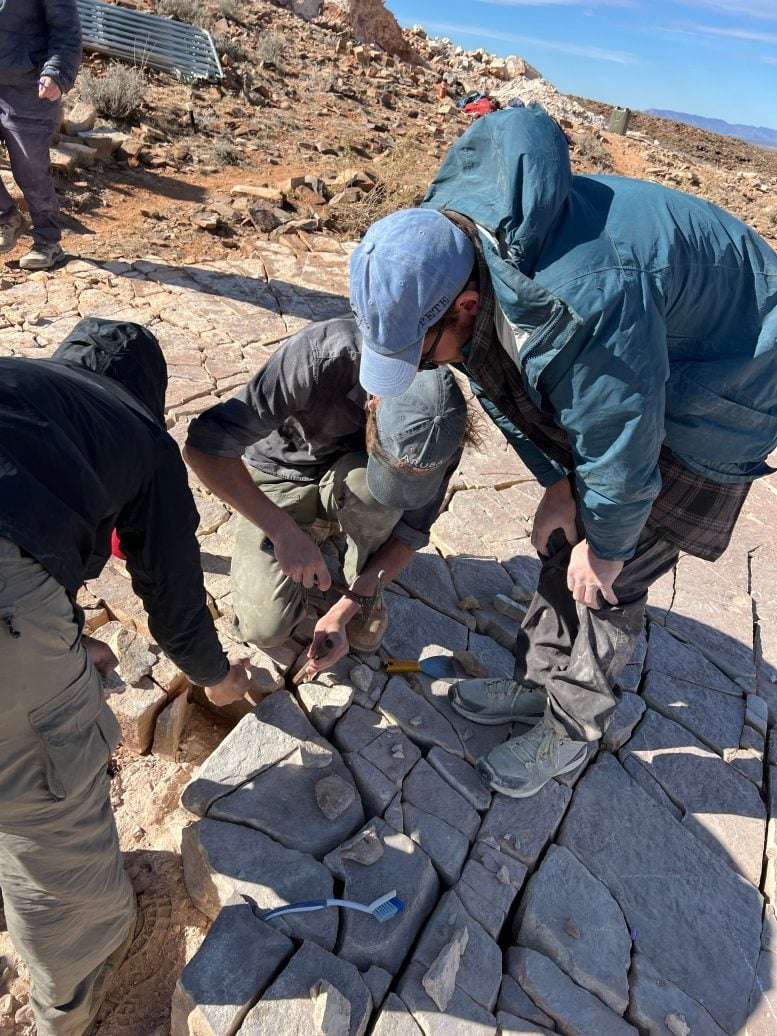
Nilpena Ediacara National Park (NENP) stands out as a geological treasure trove. Once an ancient seabed, its Precambrian sandstone layers harbor fossils depicting life from over 555 million years ago. This exceptional preservation is largely due to local sediment characteristics.
“Many fossil sites have coarser sandstone, but some new beds at Nilpena consist of ultra-fine grains,” Hughes explained. “This finer texture preserves smaller creatures and subtle anatomical features.”
The conditions allowed scientists not just to study individual fossils but also entire ancient ecosystems. Microbial mats that blanketed the seafloor helped trap and fossilize organisms in unparalleled detail.
“It’s like pouring concrete over a seafloor, waiting millions of years, then flipping it to reveal a complete ecosystem,” Hughes said. “Because these animals were buried simultaneously, we can investigate the world’s earliest animal communities.”
An Unprecedented Fossil Discovery
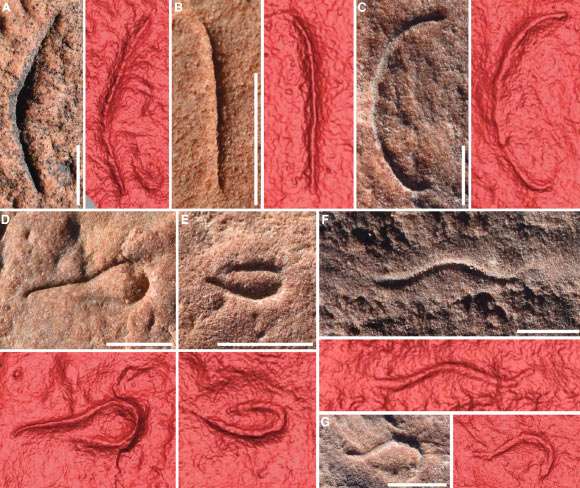
Uncus dzaugisi is unique among Precambrian finds because of its clear link to modern Ecdysozoans. Its tubular shape, hardened outer cuticle, and curved motion trails indicate it was capable of active movement—uncommon traits in its era, when many species were sessile. These features tie it to present-day nematodes and relatives, revealing early ecological strategies.
“This discovery places Ecdysozoans firmly in the Precambrian, supporting the idea that this lineage emerged before the Cambrian explosion,” Hughes noted. “Their incredible diversity today makes it fascinating to pinpoint their ancient origins and behaviors.”
Distinctive Traits of Uncus dzaugisi
Conserving a Fossil Heritage
The Uncus dzaugisi discovery also underscores the need for preservation. Nilpena Ediacara National Park is both a vital research location and a place of cultural and ecological importance. The team is dedicated to protecting the site’s integrity.
“We strive to keep rocks in place unless a new species is formally described, in which case the holotype goes to the South Australian Museum,” Hughes stated. “We respect the indigenous custodianship of this land and follow strict protocols.”
Advanced methods such as 3D laser scanning allow digital archiving of specimens, enabling close analysis without disturbing the physical fossils. This ensures the park remains intact for future research.
New Insights into Early Animal Evolution
The significance of Uncus dzaugisi reaches beyond its own fossil record. Establishing Ecdysozoans’ presence in the Precambrian reshapes our understanding of early animal diversity and ecological interactions, setting the stage for the Cambrian radiation. Upcoming research aims to further explore its anatomy and ecosystem relationships, broadening knowledge of early animal evolution here.
Summarizing the impact, Hughes said: “Ecdysozoans didn’t suddenly emerge during the Cambrian. Uncus dzaugisi opens a window into a formative era when complex life began its remarkable journey on Earth.”
- Categories:
- News










0 comments
Sign in to Comment