
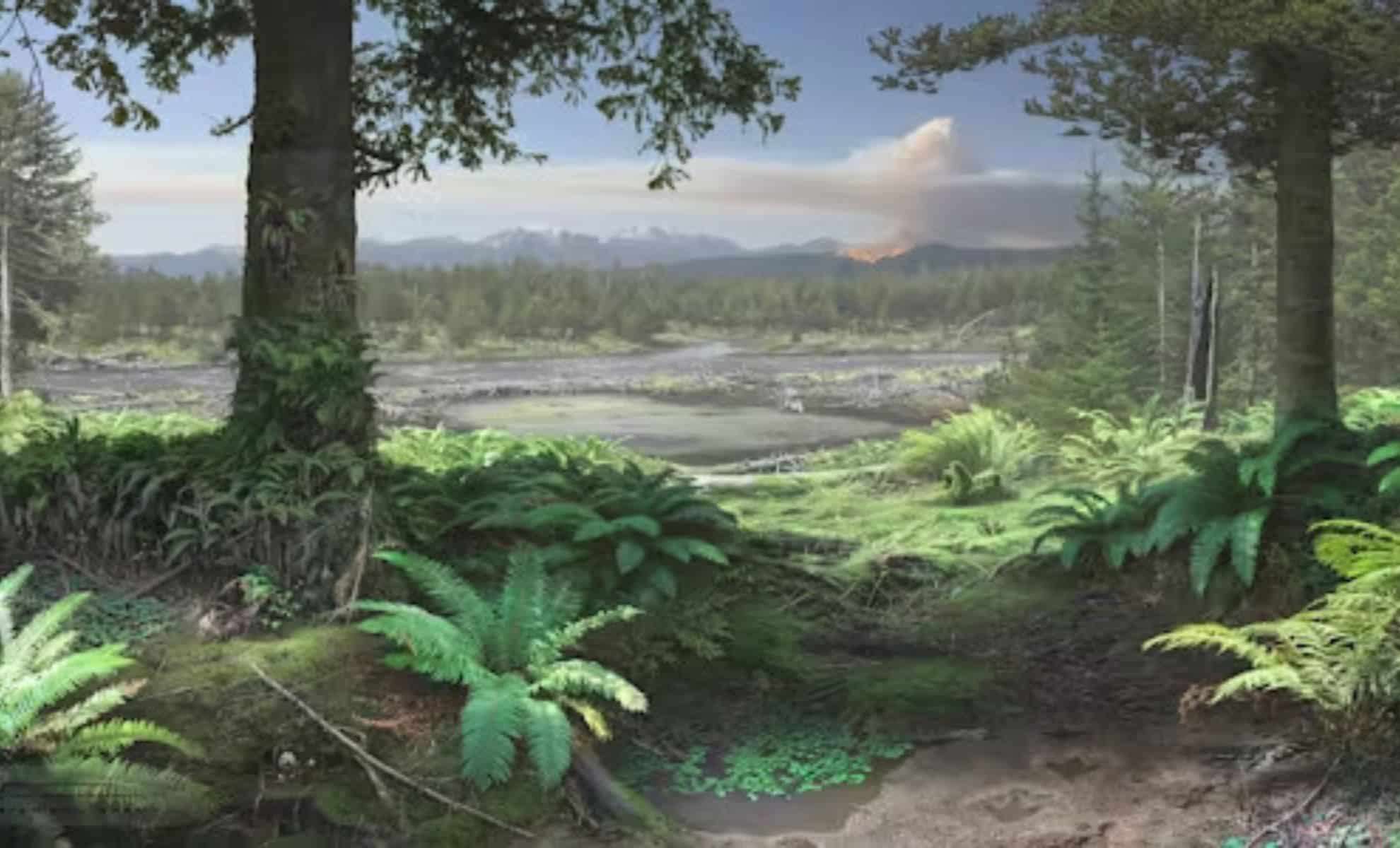
Researchers have successfully reconstructed the prehistoric environment of dinosaurs that inhabited the vicinity of the Antarctic Circle around 120 million years ago. This ancient ecosystem, once part of a connected landmass comprising today’s southern Australia and Antarctica, was characterized by cool-temperate forests that supported diverse dinosaur species during the early Cretaceous epoch.
A Verdant Polar Realm Enduring Extended Darkness
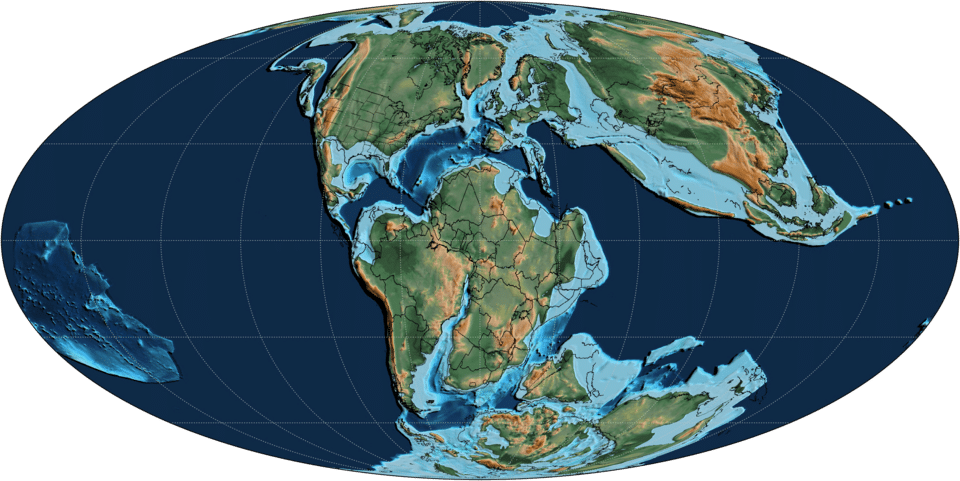
Approximately 120 million years ago, the region now known as Victoria in Australia lay within the polar circle, nearly 80 degrees south of the equator. Despite enduring extended periods of near-total darkness annually, this area sustained rich ecosystems.
Vera Korasidis, an environmental geoscience lecturer at the University of Melbourne and co-author of the study, remarked, "Victoria was situated within the polar circle, exposed to months of darkness yearly at nearly 80 degrees south latitude." The climate during this era was notably warmer than the present, with temperatures 6 to 14 degrees Celsius (11 to 25 degrees Fahrenheit) higher, resulting in the absence of polar ice sheets.

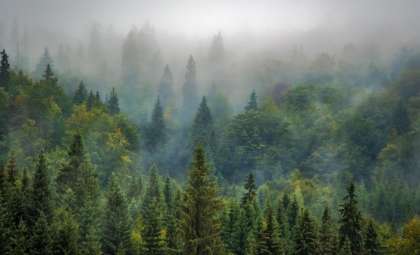
This new environmental model illustrates a terrain dominated by cool-temperate rainforests, interlaced with rivers and abundant with towering ferns. Ancient conifer trees formed a dense canopy, while the understory blossomed with scaly tree and forked ferns alongside other primitive fern varieties. This diverse vegetation provided essential habitat and nourishment for the dinosaurs inhabiting these forests.
Dinosaurs of the Polar Woodlands
Fossil discoveries and palynological data confirm the presence of various dinosaurs in this area. Small ornithopods, herbivores equipped with beaked mouths and cheek teeth, coexisted alongside small carnivorous theropods, some of which were feathered bipeds.
These so-called “polar dinosaurs” adapted to survive the long dark winters and cooler temperatures. Korasidis emphasized that fossils unearthed from multiple excavation sites substantiate these dinosaurs' endurance in challenging polar conditions.
Tracing Ancient Ecosystems Through Microscopic Clues
Scientists Vera Korasidis and Barbara Wagstaff, a pollen and spore specialist at the University of Melbourne, analyzed nearly 300 samples from 48 locations along Victoria’s coastline. These specimens, ranging between 130 and 110 million years old, comprised minute spores and pollen grains that provide insight into the forest and floodplain developments near the South Pole during the early Cretaceous period.
Their research, detailed in the journal Alcheringa, offers the first comprehensive picture of polar landscapes during the Early Cretaceous. Around 113 million years ago, the emergence of flowering plants began to transform these forests significantly. Korasidis observed, "The rise of flowering flora led to the disappearance of many understory plant species."
By 100 million years ago, Victoria’s forests had evolved into open-canopy environments dominated by conifers, with flowering plants, ferns, liverworts, hornworts, lycophytes, and mosses populating the understory. This botanical shift likely affected the dinosaurs’ feeding habits, with many species incorporating flowering plants into their diets by the closing stages of the Cretaceous.
- Categories:
- News




0 comments
Sign in to Comment