
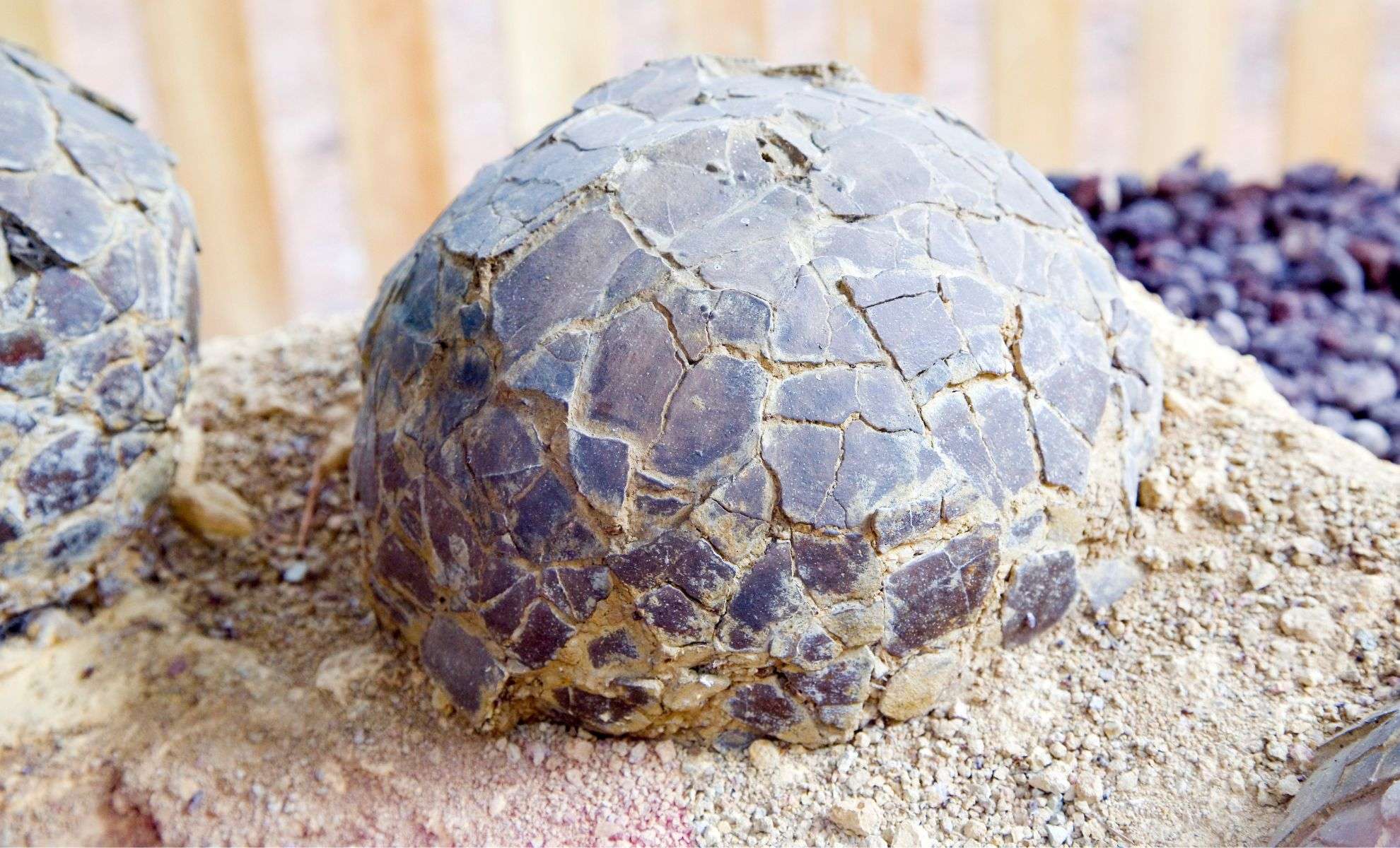
Fragments of tiny fossils unearthed in northern Alaska demonstrate that birds were nesting in the Arctic region at least 73 million years ago, pushing back previous estimates by approximately 30 million years. The groundbreaking research conducted on the Prince Creek Formation offers fresh insights into how early birds evolved and adapted to survive in extreme polar environments.
Prehistoric Bird Nesting Confirmed by Fossil Discoveries
The research, spearheaded by Lauren Wilson of Princeton University, is based on over 50 fossilized bone fragments recovered from thin geological layers within one of the coldest and most isolated areas on the planet. These layers belong to the Prince Creek Formation, which once occupied a coastal floodplain situated roughly 1000 to 1600 kilometers nearer to the North Pole compared to its current location.
The excavation took place through bitter winter conditions reaching -30 °C (-22 °F), with the team working from tents in the field. Back at the lab, painstaking sorting of sediment grains smaller than two millimeters allowed the identification of bones belonging to bird hatchlings and embryos.

These were identified by their distinctive porous bone texture, which indicates rapid bone growth. “It’s remarkable given how challenging Arctic conditions are for raising young,” Wilson noted.
Birds and Dinosaurs Coexisted in the Ancient Arctic
While today’s Arctic birds typically migrate or possess unique adaptations to cold, these ancient fossils prove that some bird species were already nesting and raising their young in high-latitude environments during the Late Cretaceous. This era was also home to non-avian dinosaurs like tyrannosaurs and ceratopsians, some of which also left fossil evidence of nesting in the Arctic tundra.
A surprising aspect of this discovery is the lack of enantiornithines (also called “opposite birds”), a bird group common in other Cretaceous fossil sites worldwide.
Gerald Mayr of the Senckenberg Research Institute suggests this could mean birds more closely related to today's species had evolutionary traits enabling them to cope with Arctic climates—advantages their more primitive cousins did not possess.
Expanding Our Understanding of Bird Evolution
Wilson's team identified three primary bird groups from the fossils: extinct toothed birds closely resembling modern loons, extinct toothed gull-like birds, and early members of the modern bird lineage. Although it remains unclear if these birds nested year-round or seasonally, the evidence firmly supports breeding in polar regions far earlier than previously documented.
Birds remain essential components of Arctic ecosystems today, whether through migration or permanent residence during winter. As evolutionary biologist Steve Brusatte of the University of Edinburgh, who was not part of the study, noted, “These fossils demonstrate that birds were already fundamental elements of Arctic ecosystems tens of millions of years ago.”
- Categories:
- News









0 comments
Sign in to Comment