

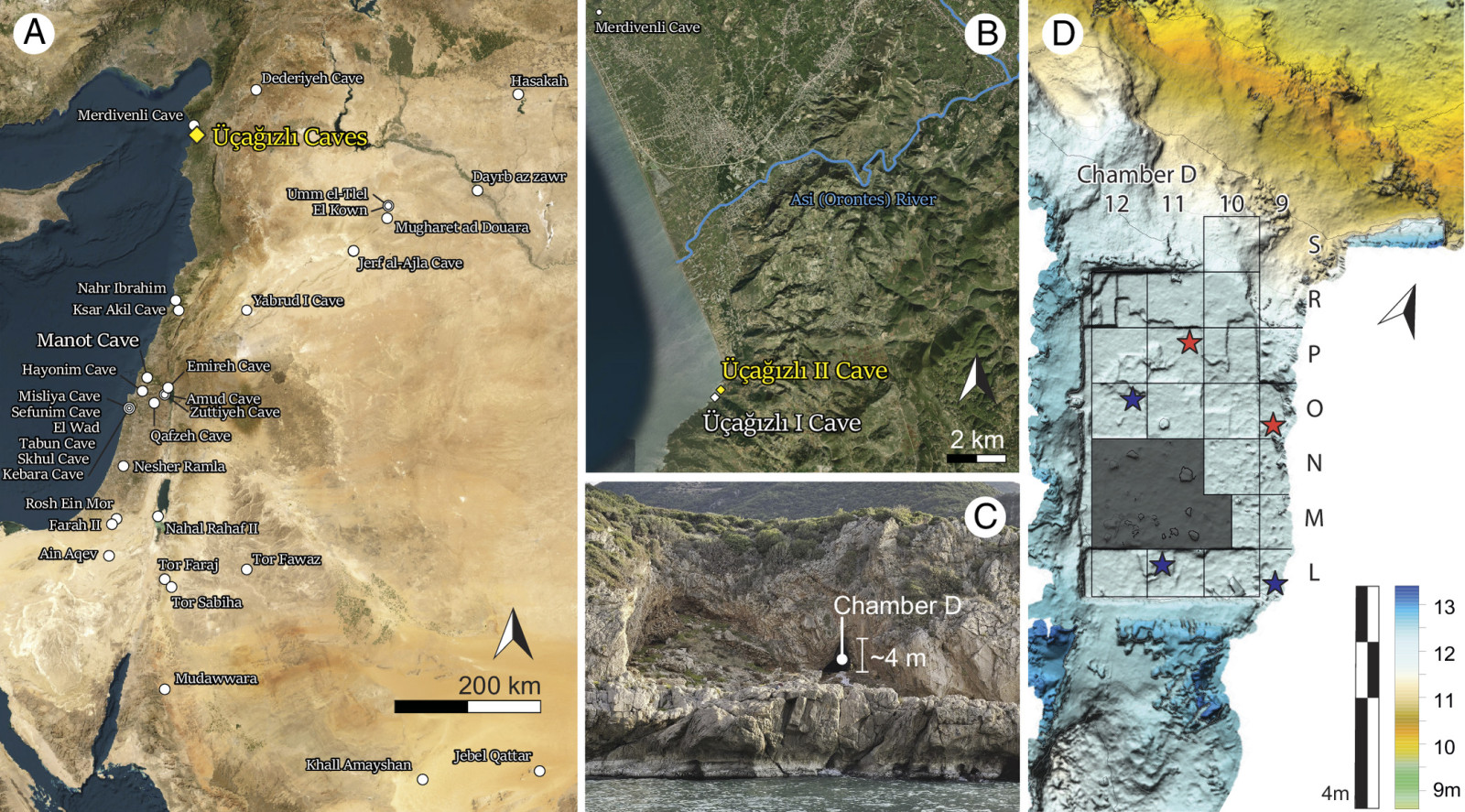
An archaeological site in Türkiye is shedding new light on the cultural parallels between Neanderthals and early Homo sapiens. Research at Üçağızlı II Cave shows that modern humans inherited many traditions from Neanderthals, such as crafting tools and adorning themselves with shells.
While it has been established that Neanderthals and Homo sapiens interbred in Palaeolithic Eurasia, the extent of their cultural and daily-life overlaps has remained debated among archaeologists.
Different excavation sites have revealed varying scenarios. For instance, Mandrin Cave in France displays distinct separations between Neanderthal and Homo sapiens layers, whereas Tinshemet Cave in Israel highlights shared technologies and potential burial rituals.

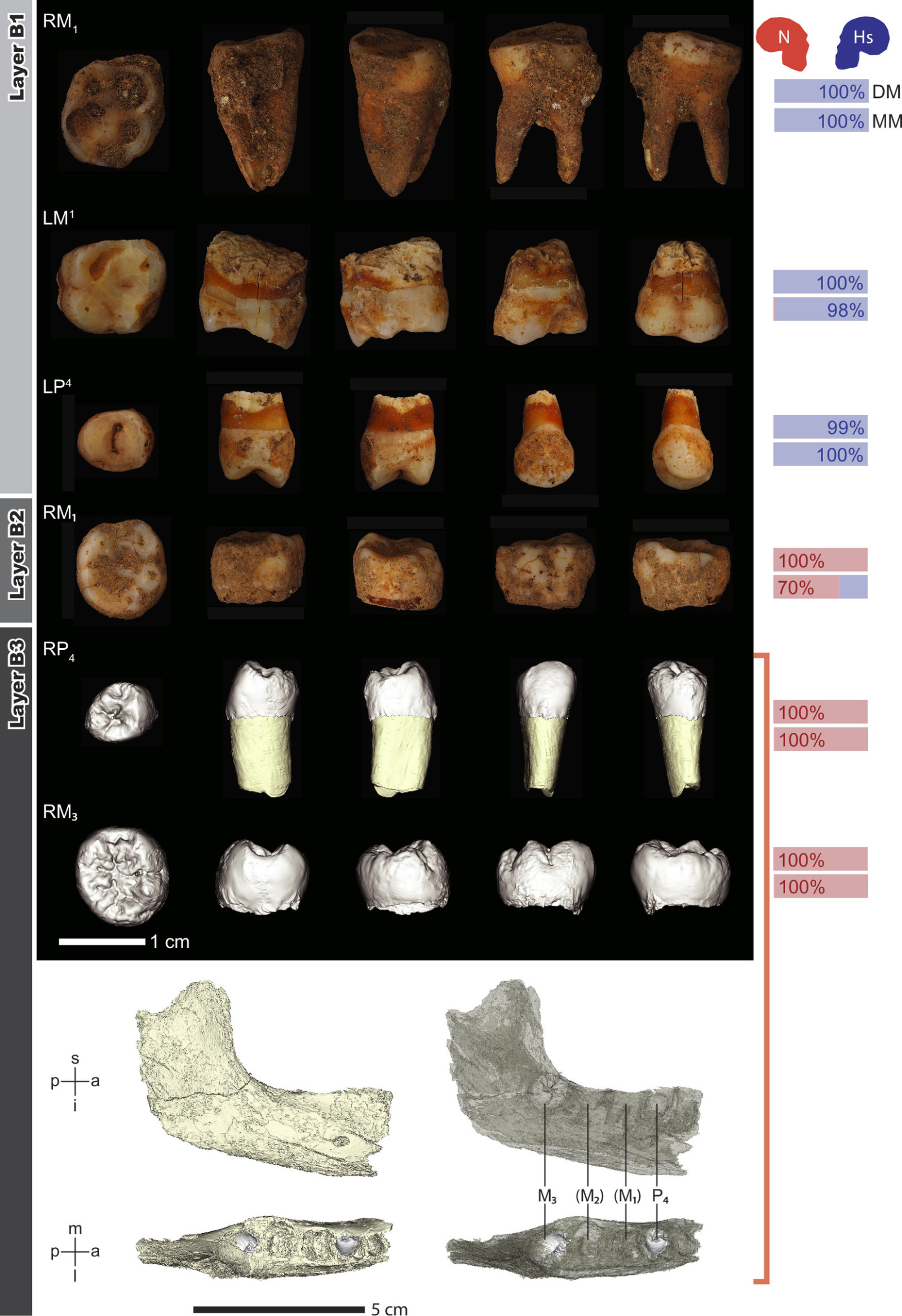
The discoveries at Üçağızlı II Cave provide evidence of both species' presence, enabling researchers to analyze the site's continuous use. The study, featured in Proceedings of the National Academy of Sciences, dates Neanderthal occupation to between 77,000 and 59,000 years ago, followed by Homo sapiens from approximately 59,000 to 47,000 years ago.
Long-Lasting Survival Techniques
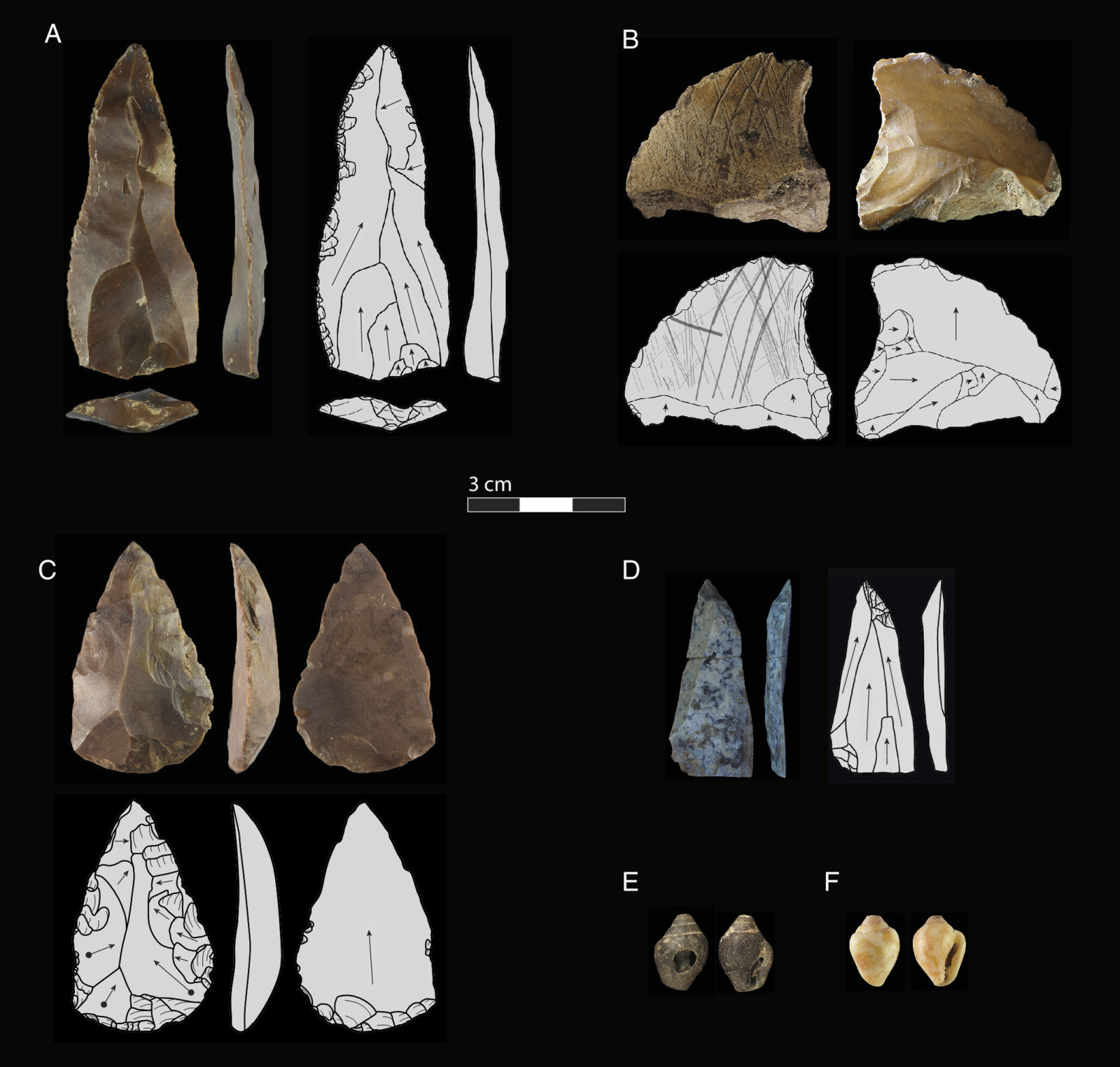
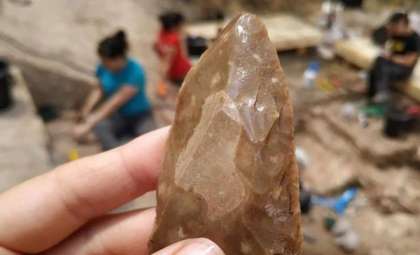
This cave has preserved an extensive archaeological record, including 19,252 stone tools and 24,236 animal bones, which offer insights into hunting strategies, resource gathering, and tool production.
According to the report published in Proceedings of the National Academy of Sciences, the layout of tools and animal remains remains consistent across both Neanderthal and Homo sapiens layers. This suggests that early modern humans adopted survival strategies closely mirroring those of their Neanderthal predecessors, a continuity that surprised the research team.
“Such a finding was indeed very surprising, simply because we did not expect this level of continuity [between Neanderthals and Homo sapiens],” study author Professor İsmail Baykara from Gaziantep University told to IFLScience.
Though their lifestyles were not identical, the evidence demonstrates that key daily practices endured even as a new human species settled the area.
Shell Ornaments Highlight Shared Cultural Expression
A particularly notable discovery was the presence of small marine shells throughout the different occupation layers. Archaeologists recovered 59 mollusk shells, including 29 Columbella rustica shells, which were unlikely gathered for nutrition but rather used for decoration or symbolic purposes.
The occurrence of identical shells in both Neanderthal and Homo sapiens deposits indicates that early humans likely continued cultural traditions initiated by Neanderthals, suggesting shared symbolic behavior beyond mere survival.
The findings show “shared behaviors between Neanderthals and modern humans that extended beyond subsistence to include nonutilitarian behaviors,” the study authors wrote.
A Crossroads of Cultures in the Levant
Situated in the Levant, one of the regions where ancient Neanderthals and modern humans overlapped, this cave offers important insights into their interactions. Beyond gene flow from interbreeding, these findings imply they might have exchanged cultural knowledge as well.
“We hypothesize that they exchanged culture,” Baykara said, , indicating that interactions between the two populations may have shaped their behaviors over time.
The researchers emphasize that there is still much to learn about the mental capacities of both species. Future investigations into brain anatomy and function are essential to clarify the cognitive similarities and distinctions between Neanderthals and modern humans.
“Future studies will be necessary to determine how cognitive capacities – which are fundamentally a matter of brain structure and function – differed or aligned between Neanderthals and modern humans,” he added.
- Categories:
- Science



0 comments
Sign in to Comment