
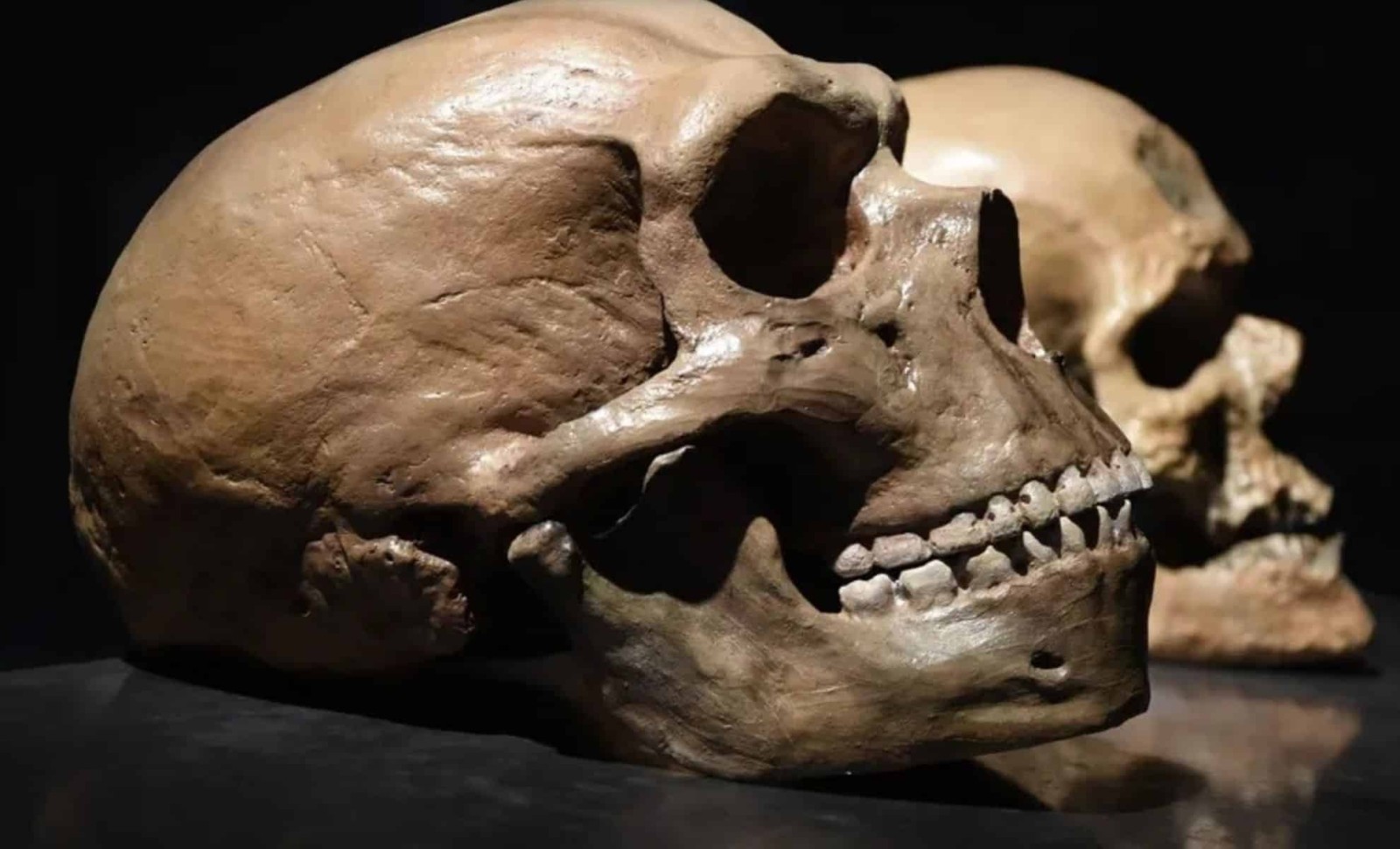
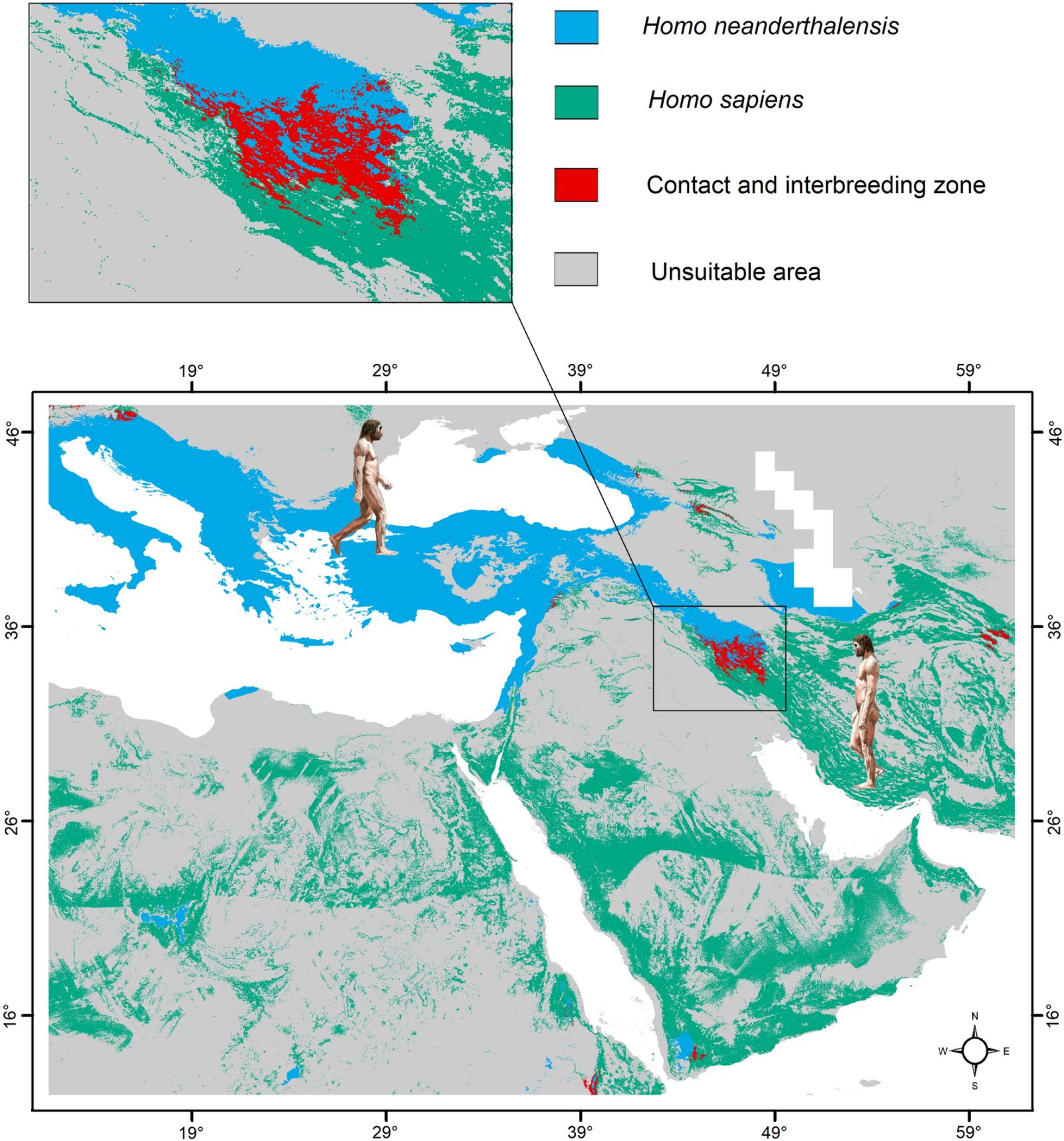
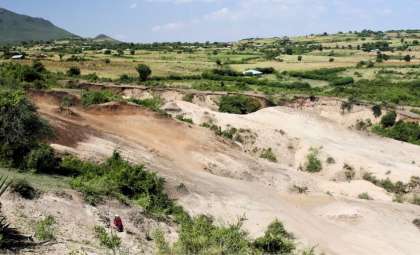
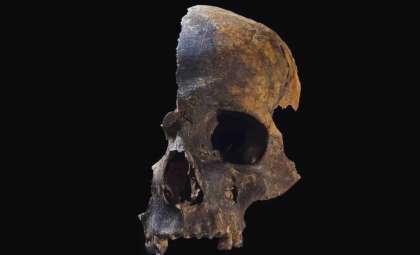
Scientists have pinpointed a crucial site where Homo sapiens and Neanderthals initially came into contact. Contrary to prior beliefs that this interaction happened in European caves, new evidence highlights the Zagros Mountains—an isolated yet historically significant area situated where Iran, Iraq, and Turkey converge.
For generations, the precise region of this interspecies encounter remained elusive. A pioneering genetic and archaeological investigation published in nature now provides a clearer understanding of this crucial evolutionary milestone.
Why the Zagros Mountains Matter in Human History
Spanning a vast area, the Zagros Mountains act as a physical divide between the cooler northern territories and the warmer southern zones of the continent. This mountain range, often overlooked, served as a vital migration route during the Pleistocene epoch, roughly from 60,000 to 40,000 years ago.

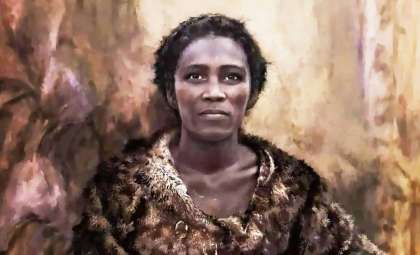
As climate fluctuations occurred, early human groups adapted by shifting their habitats. Neanderthals, originally present in Europe and parts of Western Asia, began moving southeast, while Homo sapiens expanded northward from Africa. Their migration routes overlapped within the tough terrain of the Zagros, setting the stage for a landmark evolutionary encounter.
Traces of Interbreeding in Modern Genomes
This meeting was not merely incidental; evidence indicates these lineages interbred. Today’s genetic research reveals that between 1% and 4% of the DNA in all non-African humans can be traced back to Neanderthals, a fact of enormous evolutionary importance.
This inheritance has influenced various biological traits, including immune responses, pain perception, and susceptibility to diseases like COVID-19. Neanderthal genetic markers play critical roles in several health-related characteristics, confirming their lasting impact on the modern human genome.
The Zagros as a Nexus of Human Evolution
This discovery overturns the long-held idea that Homo sapiens and Neanderthals evolved entirely apart. Instead, they shared a complex, intertwined existence. The Zagros Mountains were not just a passive backdrop but a dynamic center of genetic and cultural exchange.
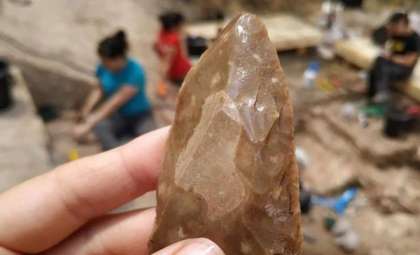
Archaeological digs in this region reveal multiple sites where these two species coexisted and interbred, suggesting repeated encounters over time. These interactions have left a lasting genetic footprint in the human populations of today.
Influence of Environment on Human Evolutionary Pathways
Beyond being a meeting point, the Zagros Mountains’ environment was key to supporting both species. During the Pleistocene, the area offered climatic and topographic diversity that benefitted both groups.
The varied landscapes and altitudes provided a range of habitats where Neanderthals and Homo sapiens could both flourish. Additionally, changing climate patterns influenced their migration, drawing them toward this mountain refuge.
These insights redefine the role of geographic and environmental factors in early human evolution, positioning the once-overlooked Zagros region as a fundamental crossroads in our species' ancient history.
- Categories:
- Science


0 comments
Sign in to Comment