
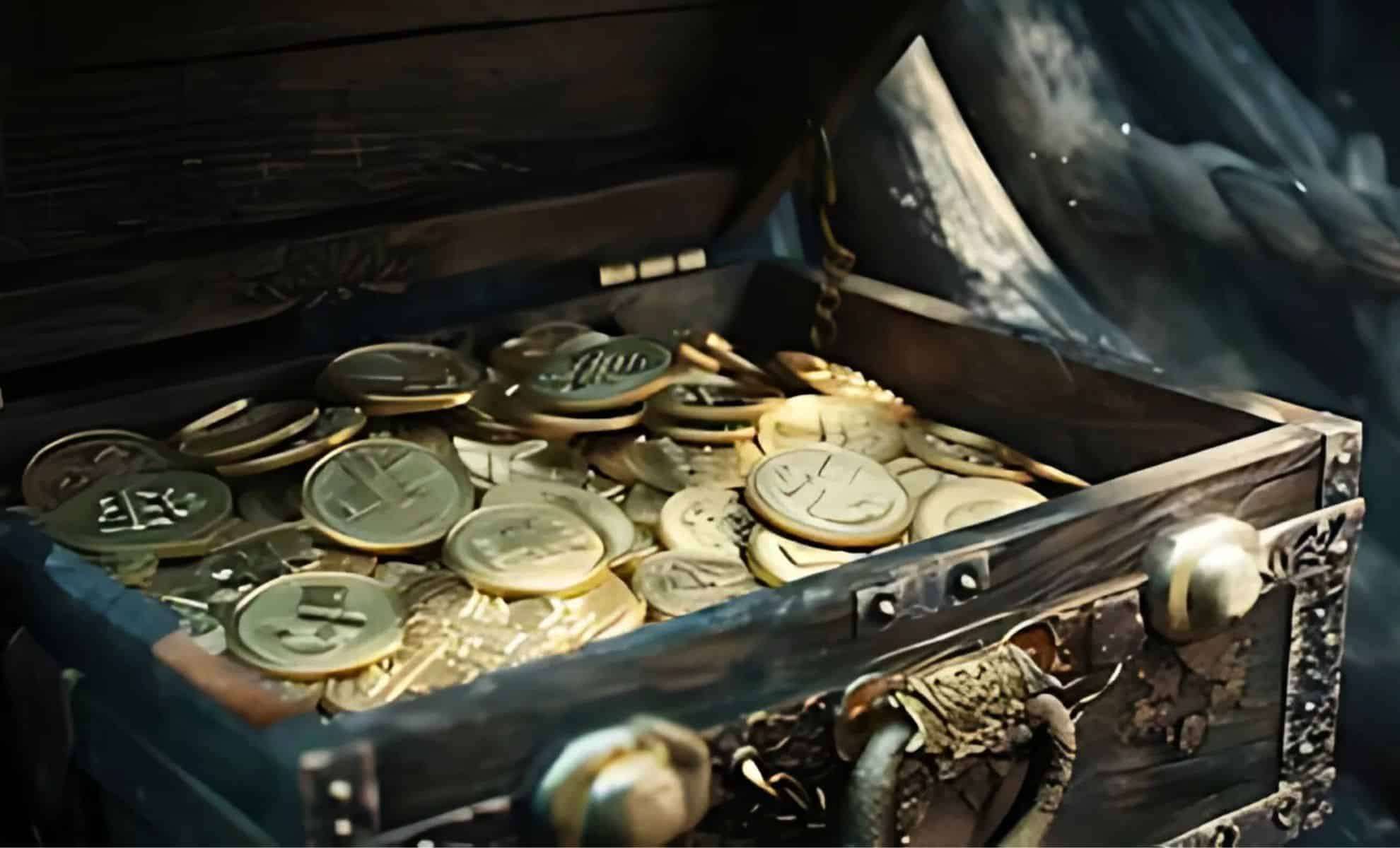
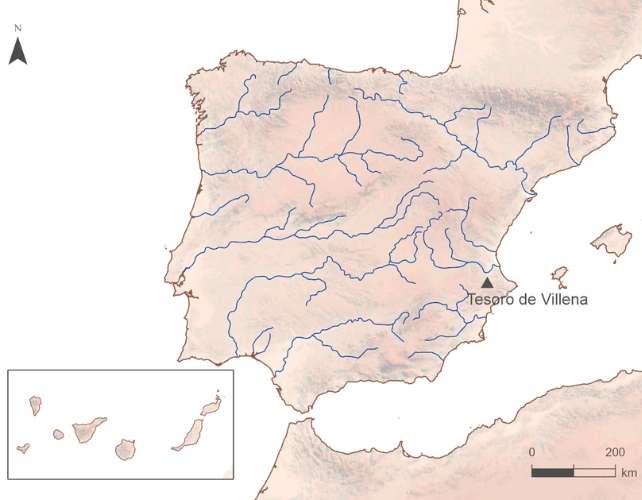
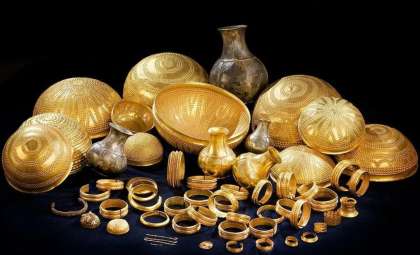
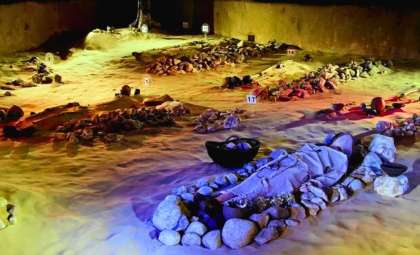
Deep within a remarkable Bronze Age hoard, scientists have identified an extraordinary find that could transform our knowledge of prehistoric metal fabrication. Among the golden relics of the Treasure of Villena, discovered over six decades ago in Alicante, Spain, two iron artifacts have been revealed to contain a rare material: iron derived from meteorites, fragments arriving on Earth from outer space.
Exploring the Origins of Villena’s Hidden Gems
Excavated in 1963, the Treasure of Villena consists of 66 objects, mainly crafted from gold, marking it as a major archaeological discovery from the Iberian Peninsula’s prehistoric era. Despite its glittering bulk, two iron artifacts in the collection stood out as intriguing anomalies to researchers.
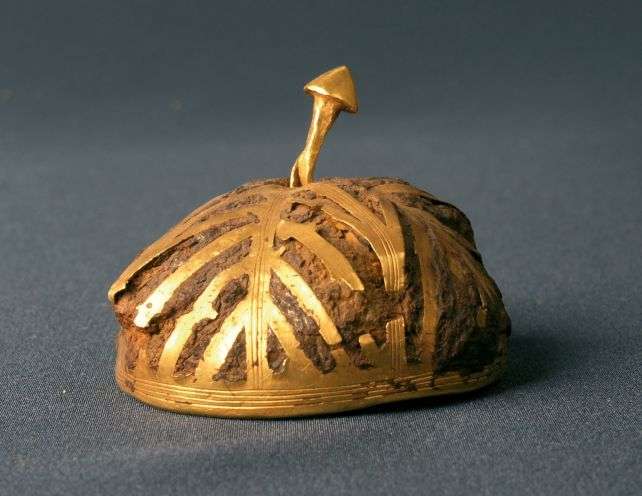
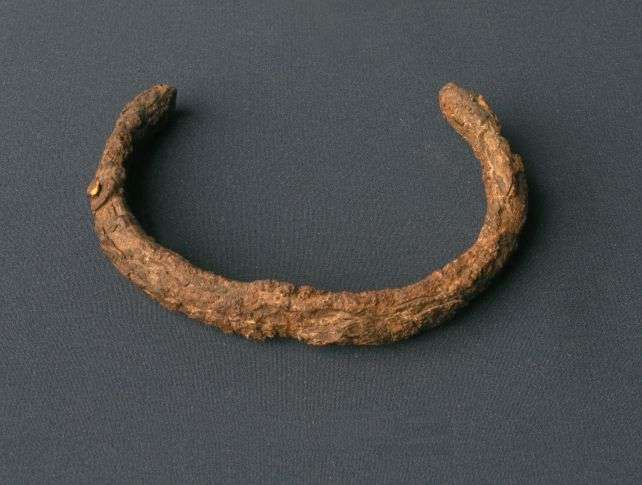
One artifact is a corroded bracelet, while the other is a small, hollow dome, possibly belonging to a scepter or a sword handle. Their iron composition was unusual for the period, raising questions since iron was not commonly utilized during the same timeframe as the other items.

Extra-Terrestrial Metal Revealed
The true significance of these objects lies in their composition. Led by Salvador Rovira-Llorens, retired head of conservation at Spain's National Archaeological Museum, scientists determined these iron artifacts were crafted from meteoritic iron, an uncommon type of iron descending from space.
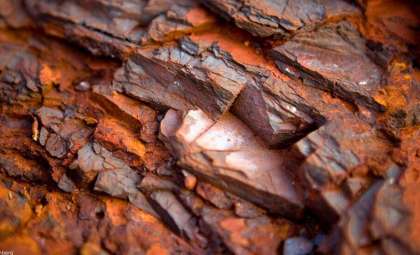
Meteoritic iron contains a distinctive abundance of nickel, a chemical marker that differentiates it from iron obtained from Earth’s surface. Using mass spectrometry, researchers verified the elevated nickel presence in both the bracelet and the dome, confirming their origin from meteorites.
This discovery challenges existing views on metallurgy in Iberia, indicating that advanced iron crafting was practiced long before the recognized onset of the Iron Age. While terrestrial iron use in the region began around 850 BCE, these items date back from 1400 to 1200 BCE, predating this era by centuries.
Insights Into Ancient Material Value and Craftsmanship
The unique composition of these artifacts not only reveals sophisticated ancient metalworking skills but also implies that meteoritic iron was considered precious. Similar to ancient Egyptian cultures, such as during the reign of Pharaoh Tutankhamun, Iberians may have attributed special spiritual or symbolic meaning to this celestial metal.
This marks the first recorded instance of meteoritic iron use in Iberia, as detailed in the journal Trabajos de Prehistoria. Although corrosion obscures some details, researchers remain hopeful that emerging non-invasive analysis techniques will further confirm and elaborate upon these remarkable findings.
- Categories:
- Science





0 comments
Sign in to Comment