
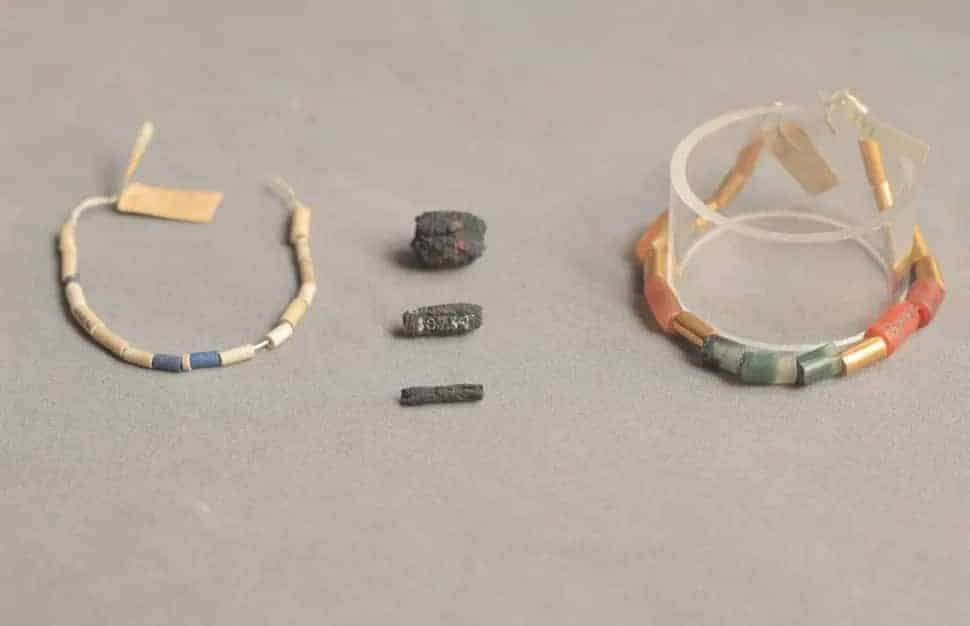
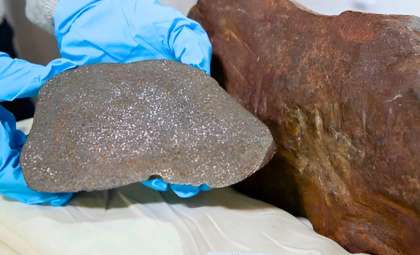
Excavations at burial grounds in southern Poland have revealed a unique set of iron objects such as bracelets, rings, and pins crafted from meteorite iron.
These finds come from the Częstochowa-Raków and Częstochowa-Mirów cemeteries, dating back to the Hallstatt C era (750–600 BCE), shedding new light on early Iron Age craftsmanship and the significance of metals from space in ancient cultures.
This discovery represents one of the largest caches of meteoritic iron artifacts known to have been uncovered at a single archaeological location.

The Uncommon Pairing of Meteorite Iron and Smelted Iron in Ancient Europe
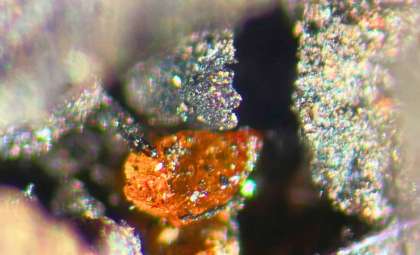
Researchers analyzed 26 iron artifacts employing p-XRF (portable X-ray fluorescence) and SEM/EDS (scanning electron microscopy with energy-dispersive spectroscopy). They found that three bracelets, an ankle band, and a pin were made from meteoritic iron, while other items consisted of smelted iron.
The coexistence of both meteoritic and smelted iron in the same burial site is rare, offering a glimpse into the transition period when ancient smiths moved from using celestial iron towards local iron production. Scientists hypothesize that the meteoritic iron originates from a single meteorite likely discovered in nearby Silesia, rather than being imported from afar.
An April 2025 publication in the Journal of Archaeological Science proposes that during the Early Iron Age, meteoritic iron's symbolic value diminished, and it was increasingly viewed as a source of practical iron ore, representing a major cultural shift in metal use.
Early Polish Metalworkers May Have Innovated Iron Patterning Long Before Damascus Steel
A particularly intriguing aspect of the discovery is evidence that artisans deliberately used meteoritic iron to create decorative effects on iron jewelry.
This craftsmanship predates the emergence of Wootz and Damascus steel, renowned for their complex surface patterns, by nearly a millennium. This suggests that metalworkers in Hallstatt Poland could have been pioneers in early ironworking artistry.
Częstochowa-Raków: A Vital Site for Understanding Iron Age Metallurgy
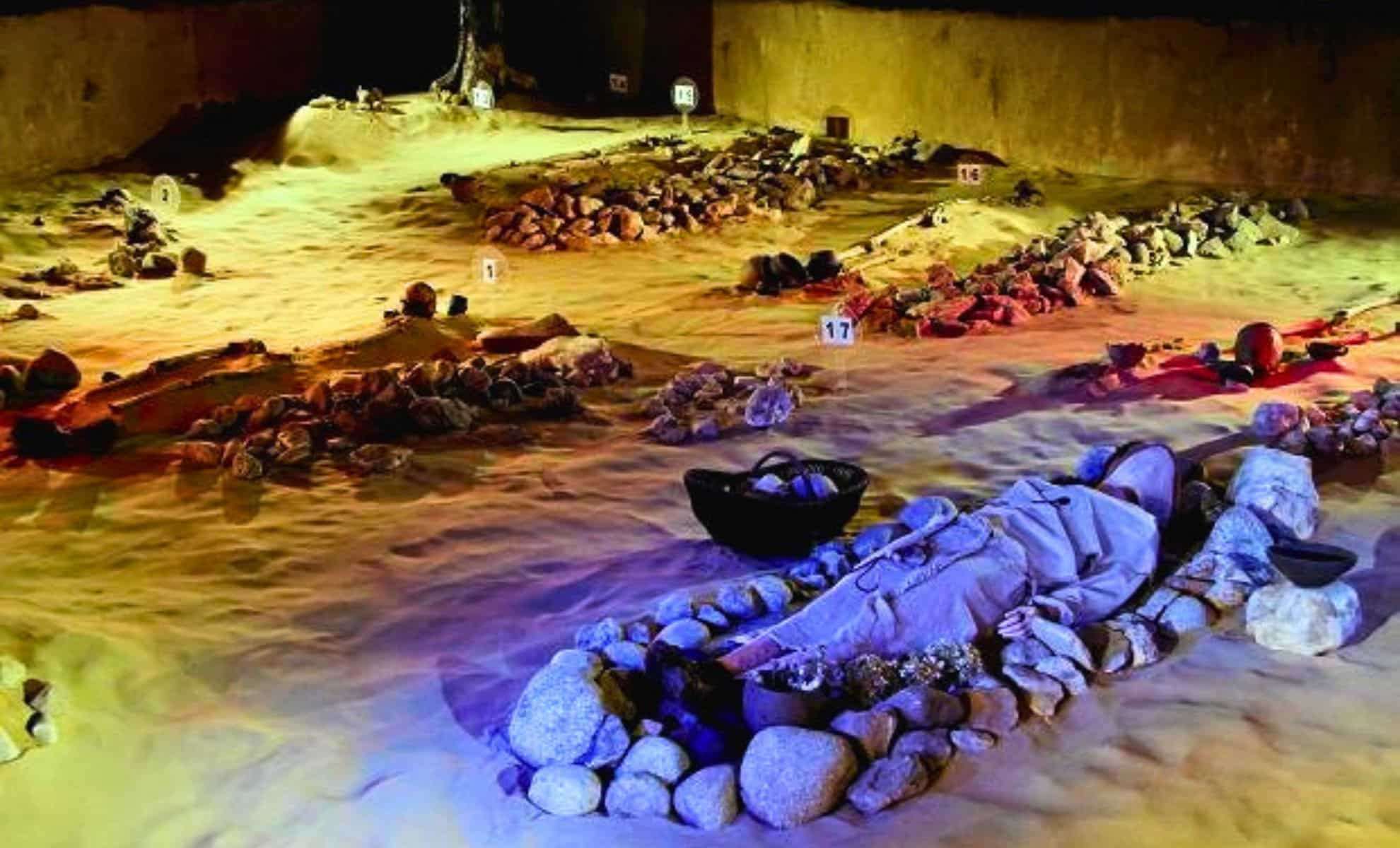
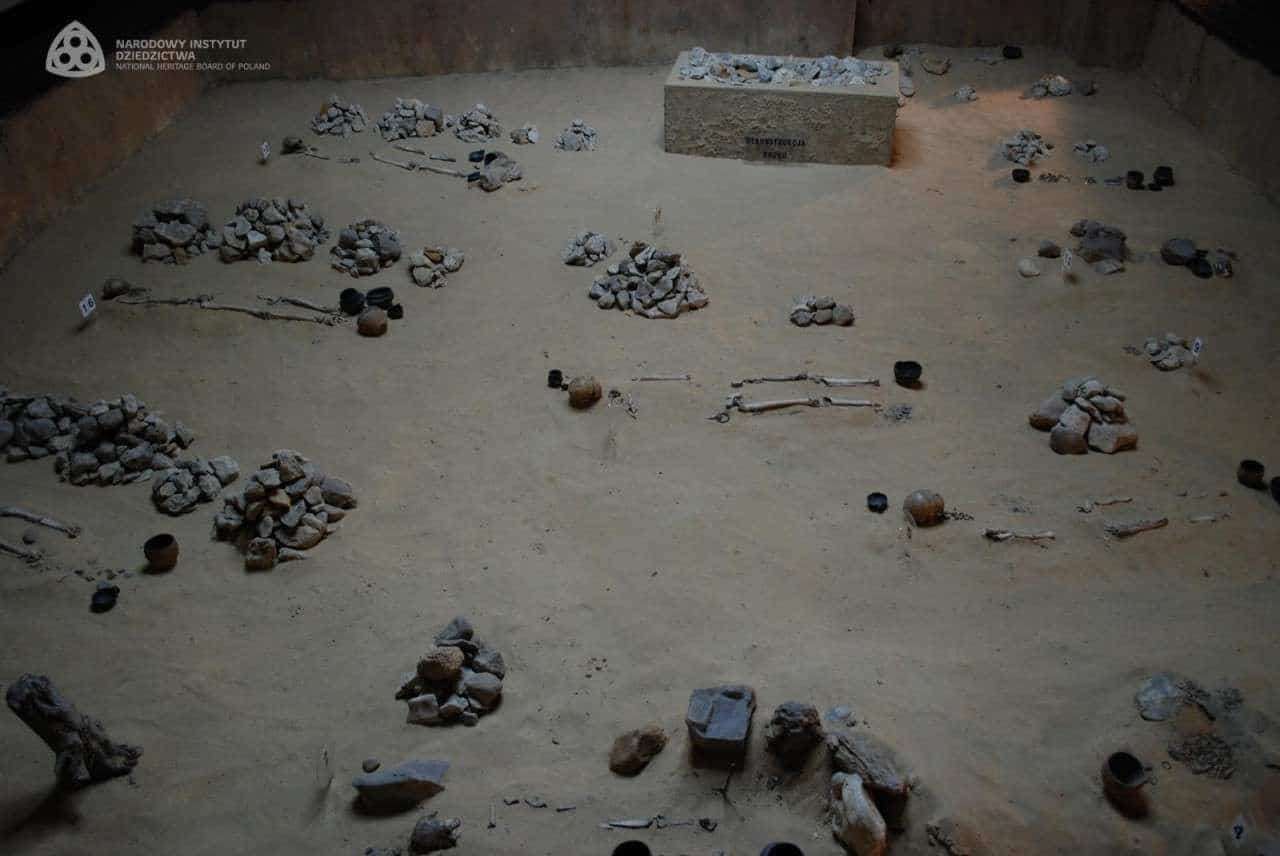
The Częstochowa-Raków cemetery, spanning about 500 square meters, ranks among the most significant Iron Age burial grounds in Poland. Despite its importance, large portions remain unexplored, potentially harboring more exceptional metal objects.
Rescue digs during the 1950s, 1960s, and early 2000s uncovered 85 graves with a mix of inhumations and cremations. A museum pavilion on-site enables visitors to view artifacts and skeletal remains in their original context.
Other Lusatian culture cemeteries in the region, including Częstochowa-Wyczerpy Dolne, Częstochowa-Gnaszyn Dolny, and Częstochowa-Stare Miasto, have also produced notable findings. However, Częstochowa-Raków stands apart due to its extraordinary concentration of iron objects, hinting at a crucial role in early European iron production and commerce.
Skyborne Iron: From Symbolic Metal to Everyday Resource?
Meteorite iron has long been linked with status, power, and celestial significance. For example, Egyptian pharaohs like Tutankhamun were interred with meteoritic iron daggers, and similar artifacts have been found in Mesopotamian and Chinese tombs.
However, these Polish finds indicate that by the Hallstatt period, meteoritic iron had largely shifted from being an elite symbol to a practical material for crafting iron goods.
Researchers also highlight a growing reliance on iron during the Hallstatt C phase, especially in crafting jewelry, weapons, and tools. This era saw iron sourced both from imports—like ingots from the Alps and Carpathians—and local production. Against this backdrop, acquiring “iron from the sky” likely offered a practical alternative to long-distance trade.
A Find That Invites Further Exploration
The meteoritic iron items discovered at Częstochowa place this Polish site among the world's most important Iron Age archaeological finds, comparable to renowned Egyptian meteoritic artifacts.
Since only a small portion of the area has been excavated, future research could uncover additional cosmic metal objects, potentially rewriting narratives about early European iron metallurgy.
- Categories:
- Science







0 comments
Sign in to Comment