
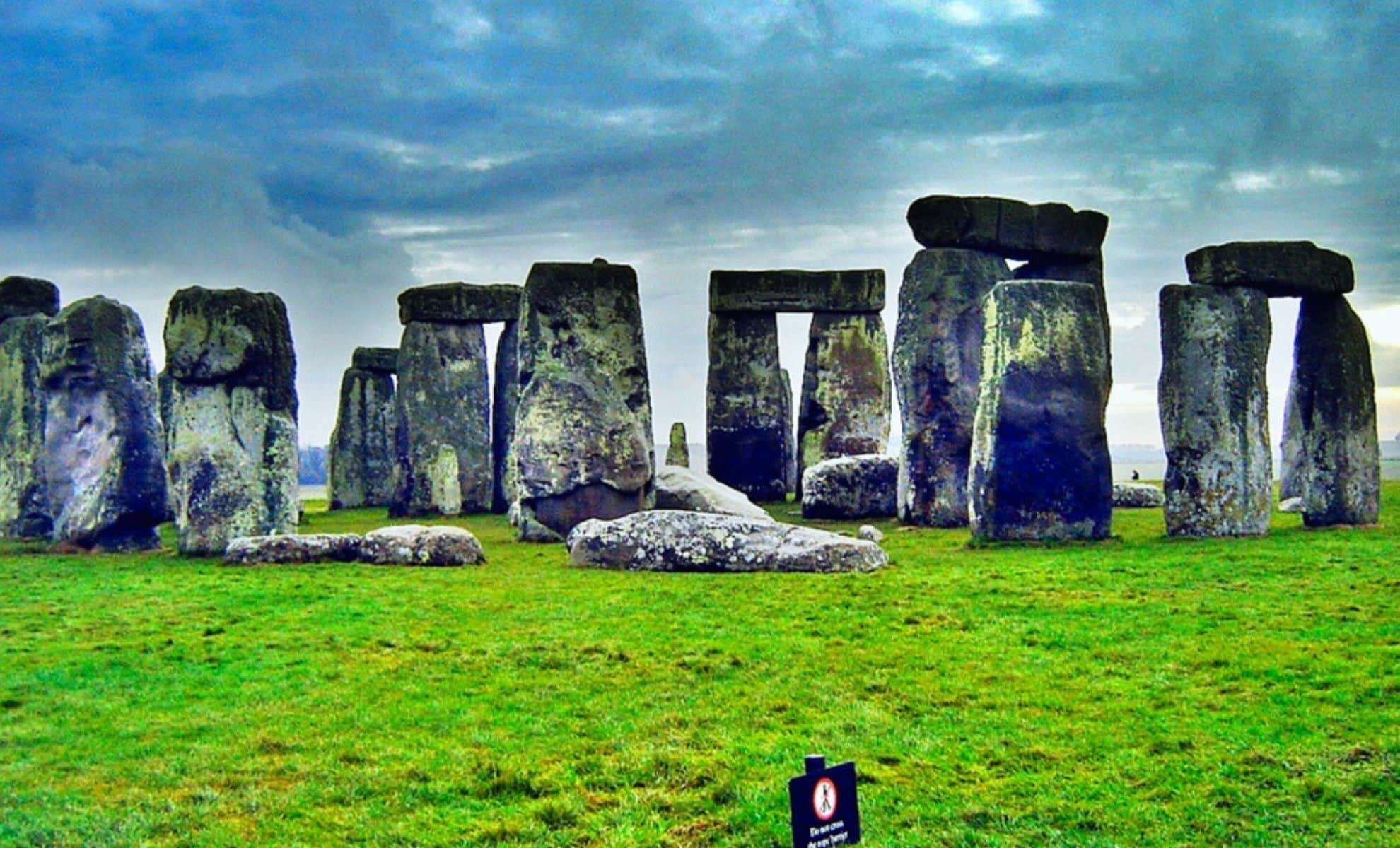
A fragment of cow molar, interred nearly 5,000 years ago within the chalk at Stonehenge, has provided compelling new evidence supporting a growing theory: that cattle played a crucial role in moving the monument’s stones from southwest Wales.
Researchers from University College London, Cardiff University, and the British Geological Survey published their findings in Science Direct, analyzing the isotopic signatures of the tooth—carbon, oxygen, strontium, and lead—to determine its origin. Their data clearly indicate the cow grazed on Palaeozoic geology, a hallmark of the Preseli Hills in southwest Wales, the exact area where the iconic bluestones composing Stonehenge were sourced.
While the connection between Stonehenge and Wales is not new, this discovery offers the first direct animal-linked proof linking the two. It raises important questions about Stonehenge’s construction methods, the identities of its builders, and the means by which they transported stones weighing up to 4 tonnes over 140 miles (225 km) through challenging terrain.

The Journey of a Cow's Molar
The jawbone was originally unearthed almost a hundred years ago, in 1924, near Stonehenge’s southern ceremonial gateway. It remained in museum archives until recent reanalysis as part of a broader study examining the domestic life and logistics associated with Neolithic monument construction.
Radiocarbon dating estimates the cow’s burial between 2995 and 2900 BCE, aligning closely with Stonehenge’s initial building phases.
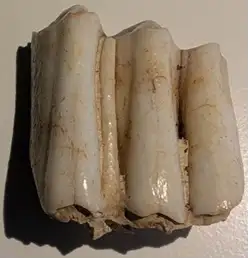
Isotopic examination was the game-changer. Professor Jane Evans, geochemist at the British Geological Survey, explained, “The chemical profiling reveals that the animal grazed on Palaeozoic bedrock, typical of Wales, especially areas near the bluestone quarries.”
Simply put, the cow originated from the same geological zone as the Stonehenge bluestones.
“This is yet more fascinating evidence for Stonehenge’s link with southwest Wales,”
says Professor Mike Parker Pearson, one of Britain’s leading experts on Stonehenge, based at University College London.
Cattle as Ancient Haulers?
Traditionally, it was believed that humans alone hauled the massive stones, using ropes and rollers. However, a pivotal 2018 study identified physical stress markers on ancient oxen compatible with hauling heavy loads, suggesting cattle may have been employed as draft animals rather than solely as food or ceremonial offerings.
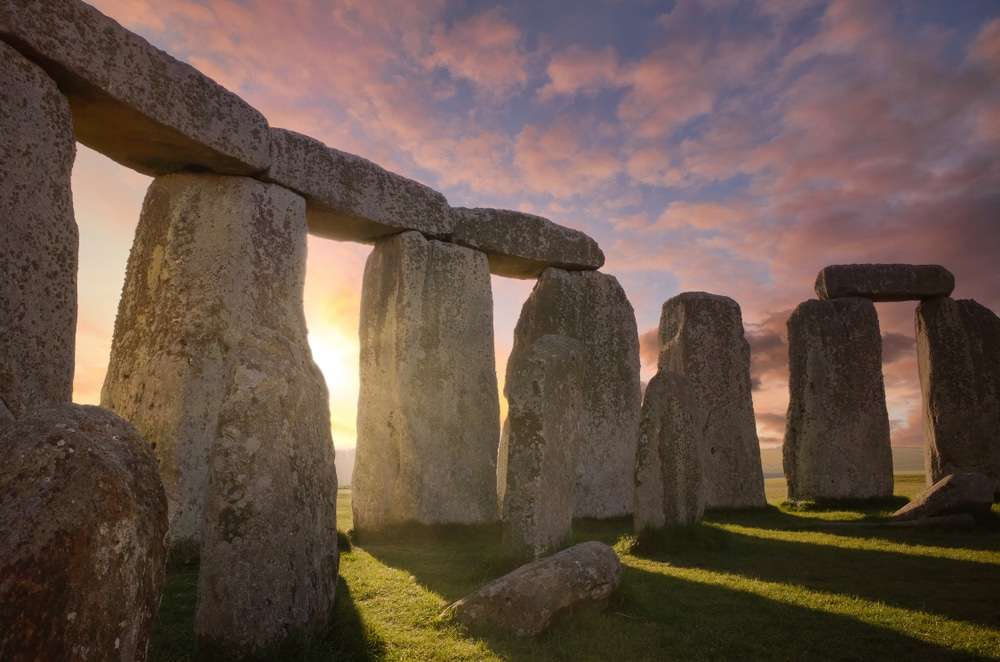
This discovery adds renewed support to that idea. The molar in question grew over six months—from winter through summer—during the animal’s second year. Variations in lead and strontium isotopes suggest the cow moved between distinct geologies, consistent with seasonal grazing and migration. Such movement might reflect a nomadic workforce bringing livestock and supplies during monument construction.
“There’s been no evidence until recently that cattle were used as beasts of burden in the Neolithic,” says Evans. “That changed in 2018. This new research adds to that story.”
The implications extend beyond stone transport to encompass the daily lives and organization of the builders.
Seasonal Communities at Work
Evans highlights that this perspective invites us to rethink Stonehenge as a dynamic creation by seasonally mobile groups who migrated with their families and herds.
“You’ve got to have food supplies,” she says. “A turnover of people and animals to help pulling. You’re probably going to have all the domestic requirements of living on the land.”
This idea also suggests that women and children likely participated in the process.
“It’s rarely considered,” she adds. “But surely they’ve got to have been there. And probably as many women as men, and children. Making food, providing shelter—it was a whole community effort.”
The resting place of the cow near Stonehenge’s ceremonial portal might have held symbolic significance or could mark the final site of an indispensable animal that helped haul materials during construction.
Interweaving Origins: Wales, Cattle, Stones, and Society
The Stonehenge bluestones are geologically exclusive to southwest Wales. Archaeological findings confirm their origin in the Preseli Mountains, where they may have been revered and intentionally transported for spiritual reasons.
While this find doesn’t directly prove cattle moved the stones, it bolsters the evidence for a strong cultural, economic, and logistical link between Wales and the monument site around 3000 BCE. If cattle made the journey, it’s plausible human groups traveled along with their animals, bringing with them traditions, materials, and livestock.
This idea aligns with earlier research, including Pearson’s work on Neolithic cremations near Stonehenge, which pointed to some individuals having Welsh ancestry.
- Categories:
- Science






0 comments
Sign in to Comment