
Brent Chapman initially felt uneasy when his doctor suggested an extraordinary procedure: implanting one of his own teeth into his eye to regain sight. Inspired by an Australian patient who, after two decades of blindness, returned to skiing post-surgery, Chapman decided to proceed.
Chapman is now part of a pioneering moment in Canada, where the first-ever osteo-odonto-keratoprosthesis (OOKP) surgery—commonly called "tooth-in-eye" surgery—has been successfully performed. This cutting-edge operation offers new hope for individuals with advanced corneal blindness who have exhausted alternative treatments.
The procedure explained
As reported by CBC, the OOKP surgery is remarkably complex, carried out in two major phases spaced over several months.

Initially, a suitable tooth—typically a canine—is removed and sculpted to hold a specialized plastic lens. Teeth are chosen due to the extreme durability of dentine, the strongest natural material in the human body, making an excellent base for a lens.
The shaped tooth is then implanted under the patient’s cheek tissue, where it develops its own blood supply and connective tissue to prepare for its eventual placement in the eye.
Separately, surgeons prepare the affected eye by removing damaged corneal tissue and covering it with a flap of mucosal tissue from inside the cheek. This step creates a supportive environment essential for the tooth implant’s success.
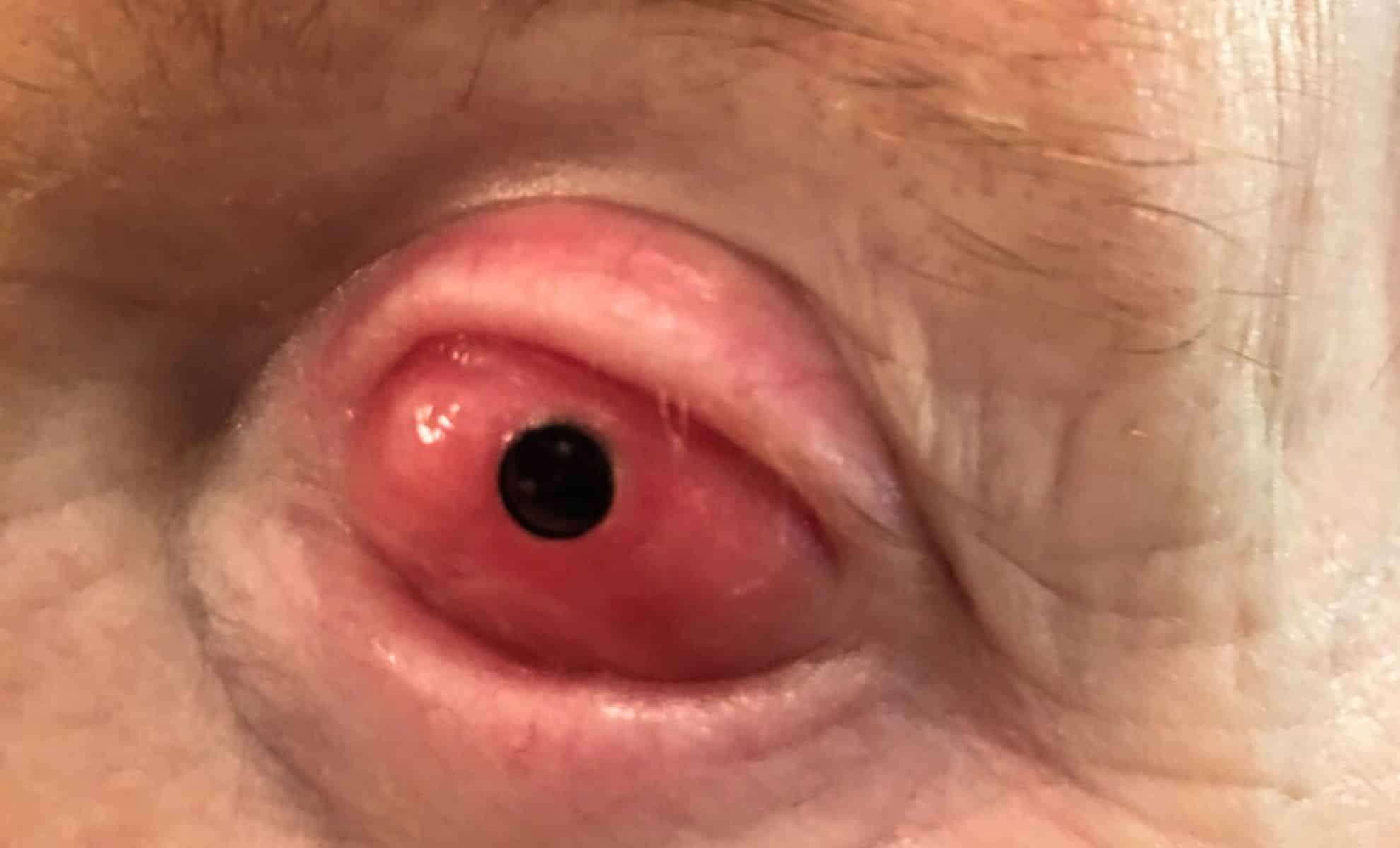
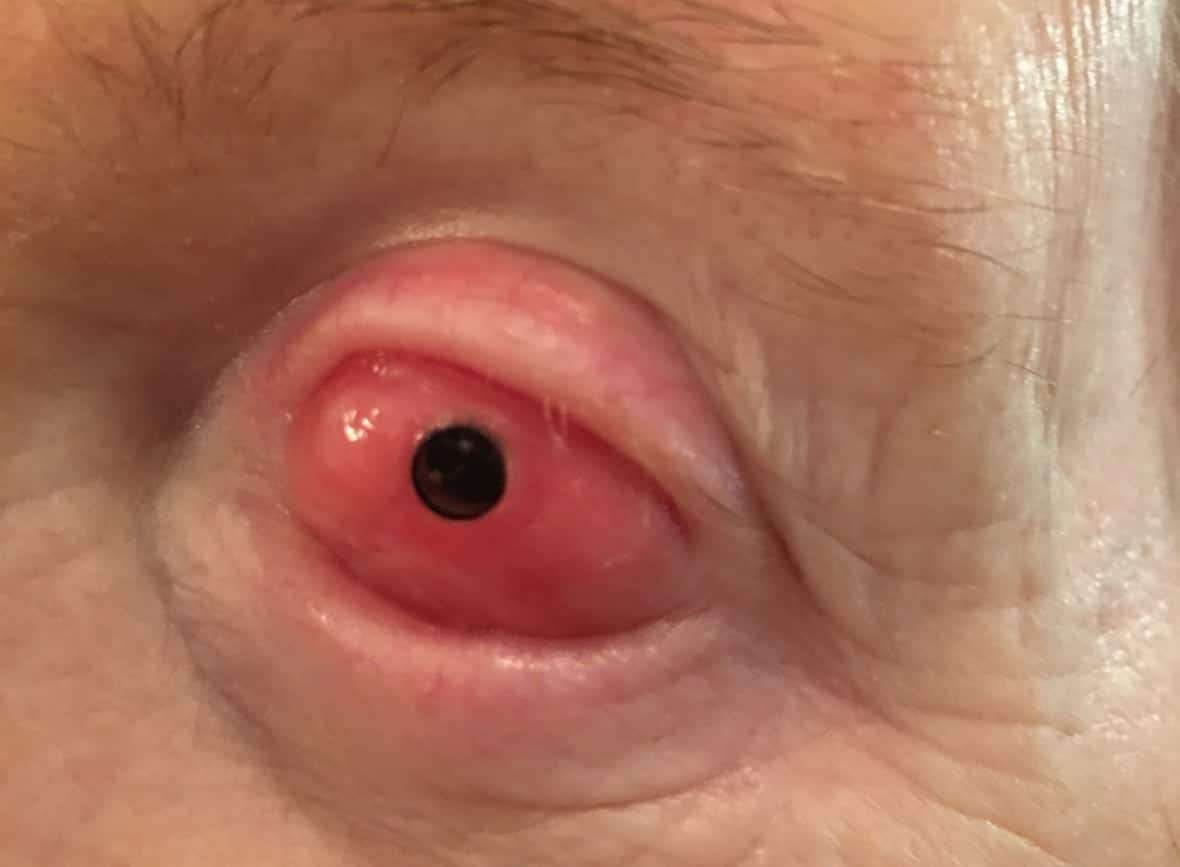
After several months, the tooth-lens complex is transplanted from underneath the cheek to the front of the eye. The eye assumes a distinct appearance, with a pink surface punctuated by a small dark opening through which vision is restored.
The rationale behind using a tooth
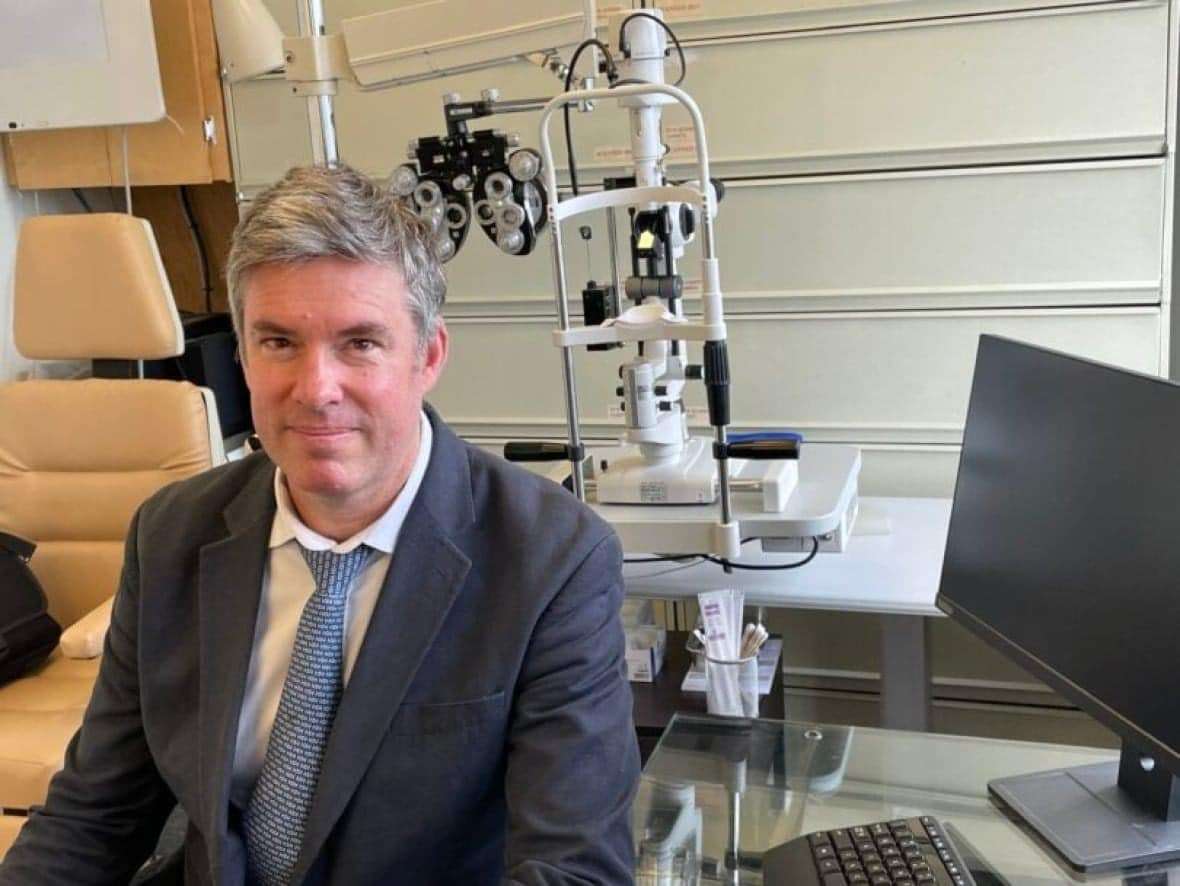
Although inserting a tooth into an eye may sound unusual, the science is sound. Dr. Greg Moloney, the ophthalmologist leading these surgeries in Canada, explains that dentine’s strength and its natural compatibility with body tissues make it an ideal casing for the lens.
Unlike synthetic implants, which risk triggering immune rejection, using the patient’s own tooth minimizes this risk and boosts long-term success rates. A 2022 study conducted in Italy found that 94% of patients kept their improved vision for an average of 27 years following surgery.
A procedure of last resort with transformative potential
"Tooth-in-eye" surgery is not a universal remedy for blindness. It is specifically intended for individuals with corneal blindness caused by conditions like autoimmune disorders, chemical injuries, or severe scarring, provided their retina and optic nerve remain functional.
Given the surgery’s complexity, it is only performed on one eye at a time. Risks include infection leading to vision loss, complications necessitating further surgery, and, in rare cases, failure of the implant.
For patients like Chapman, who has undergone more than 50 eye surgeries over 20 years with limited success, this innovative treatment offers hope worth pursuing despite the challenges.

Establishing Canada’s first specialized OOKP clinic
Until recently, Canadians needing OOKP surgery had to seek treatment internationally. Now, Dr. Moloney, with a proven track record of seven successful procedures in Australia, aims to open the country’s first dedicated OOKP center at Mount Saint Joseph Hospital in Vancouver.
The St. Paul’s Foundation has granted $430,000 to support the clinic’s initial three years, with Providence Health Care planning to sustain it thereafter.
Dr. Samir Jabbour, an ophthalmologist at the Centre hospitalier de l’Université de Montréal, describes this as an important advancement for Canadian healthcare, relieving patients of the burden and expense of travel to access this specialized care.
A renewed outlook on life
For Brent Chapman, regaining sight means reclaiming an active lifestyle. If his upcoming operation succeeds, he looks forward to savoring activities he once loved, such as basketball, traveling, and experiencing the world anew.
“Hopefully, this will break some ground,” he says. “If others in Canada need this, and it becomes an established treatment, I’d feel really great about that.”
- Categories:
- Science










0 comments
Sign in to Comment